Sofwave: How Many Sessions and How Often?
A clear breakdown of Sofwave session frequency, timing, and when to expect results — compared with similar lifting procedures.
If you've been researching Sofwave because your jawline and cheeks don't look quite the way they used to, one of the first questions that comes to mind is usually: "Is one session enough?" or "How many sessions do I need, and how far apart should they be?" Even after a consultation, the answers can vary from clinic to clinic — which makes things even more confusing.
The short answer: Sofwave typically starts with a single session, and the decision to add more is made based on how your skin responds. The results don't appear on the day of the procedure — they develop gradually over several weeks. Rather than expecting an immediate "pulled tight" effect, it's more accurate to think of it as giving your skin time to rebuild its Collagen. Understanding the timeline for results, along with session frequency and spacing, makes it much easier to plan around your own schedule.
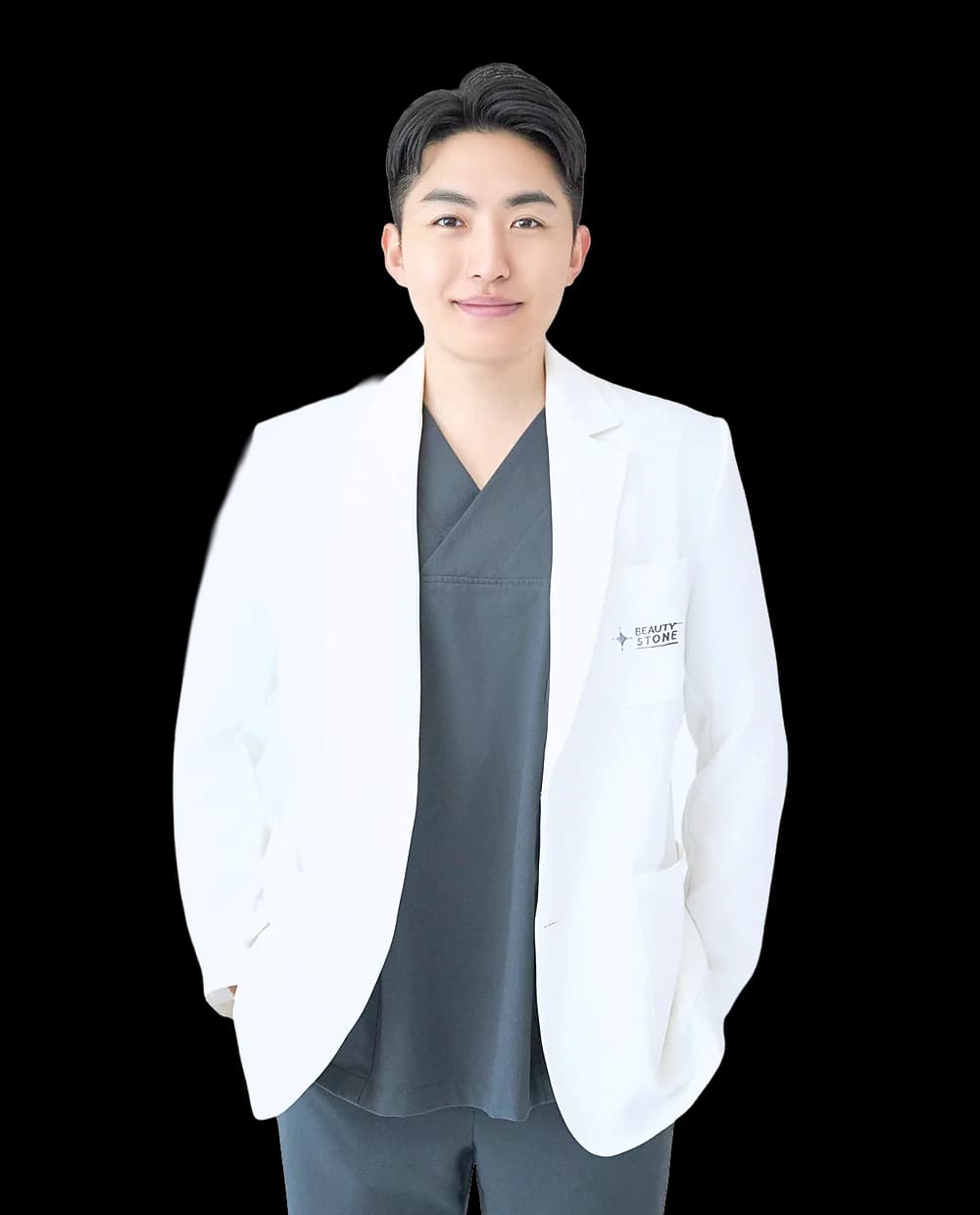
This post is a procedure information guide from Beautystone Clinic in Hongdae.
What you'll learn from this post:

  · How many Sofwave sessions are typically recommended, and what a reasonable interval looks like
  · Why results appear gradually — not immediately after the procedure
  · How Sofwave compares to similar lifting procedures, and how to choose
  · What to expect in terms of cumulative improvement and when results stabilize
Let's Start With How Deep Sofwave Actually Works
Sofwave* is a Lifting procedure that delivers ultrasound energy to the mid-Dermis, stimulating the skin to produce new Collagen. This is exactly why results don't appear on the day of the procedure — they develop gradually over weeks. The tissue that receives the energy needs time to rebuild and replenish its Collagen.
Sofwave*: A Lifting device that uses multiple parallel ultrasound transducers to deliver thermal energy to the mid-Dermis, inducing Collagen regeneration. It works at depth — within the Dermis — rather than at the skin's surface.
A clinical and histopathological study on high-intensity parallel ultrasound found a statistically significant increase in Collagen and elastic fiber density in the mid-Dermis at two months post-procedure, confirming that Collagen fiber regeneration occurs in the treated tissue over time. This isn't an instantaneous process — it's a gradual recovery where the skin rebuilds Collagen in response to a controlled thermal stimulus.
So if you look in the mirror right after the procedure and don't see a dramatic difference, there's no need to feel disappointed. Any slight tightening sensation on the day is more likely a temporary reaction to the Heat sensation and mild Swelling — the real change unfolds slowly over the weeks that follow.
How Does Sofwave Compare to Similar Ultrasound and Radiofrequency (RF) Lifting Procedures?
When researching Lifting options, you'll often come across several ultrasound and Radiofrequency (RF) procedures alongside Sofwave, which can make the choice feel overwhelming. Each works at a slightly different depth and carries a different Downtime profile, so the best fit depends on your area of concern and how quickly you need to return to daily life. It's also worth noting that Collagen-booster injectables like Rejuran or Juvelook work on an entirely different principle — they involve injecting active ingredients, whereas Sofwave uses energy to stimulate the Dermis without any injection.
| Procedure | Treatment Depth | Typical Downtime | When Results Are Felt |
|---|---|---|---|
| Sofwave | Mid-Dermis | Minimal | Gradually over 4–12 weeks |
| High-Intensity Ultrasound (SMAS Layer stimulation) | Deeper fascial layer | Erythema and Swelling 1–3 days | 2–3 months |
| Radiofrequency (RF) Lifting | Dermis to fat layer | Minimal | 1–3 months |
| Collagen Booster (Injectable) | Intradermal injection | Injection marks 1–2 days | After cumulative sessions |
This table reflects general tendencies — even with the same device, the experience can vary depending on energy settings and the area being treated. If deeper laxity is your main concern, a procedure that targets a deeper layer may be more appropriate. If you're looking for results that develop naturally or need minimal Downtime, a procedure like Sofwave tends to be a lower-burden option. Determining which is right for you really comes down to your skin thickness and degree of laxity — something best assessed in person.
Why Beautystone Clinic in Hongdae?
At Beautystone Clinic in Hongdae, rather than recommending a set multi-session package upfront, we prefer to start with a single session and assess how your skin responds before deciding on next steps together. Because Sofwave results build gradually over several weeks, making a hasty decision about additional sessions immediately after the first procedure can easily lead to misjudgment. As a small clinic within walking distance of Hapjeong Station, we're able to focus on the Recovery and maintenance trajectory after your procedure — tailoring the timing of any follow-up to the pace of your individual skin's response.
How Results Accumulate Session by Session — and When They Stabilize
Many patients notice a meaningful change after just one Sofwave session. That said, for areas with more visible laxity, a second session can help build on the initial Collagen stimulus and compound the results. In terms of timing, the general approach is to wait until the effects of the first session have had enough time to fully develop — typically several weeks or more. Adding a session too soon means you'd be evaluating your skin before the first round of results has fully emerged.
The way results build over time can be thought of as a gradual curve. As noted in a clinical report showing that Collagen and elastic fibers increase over time following ultrasound procedures, with Fine Lines improvement appearing over several months, the peak of visible change arrives not immediately after the procedure but weeks to months later — keeping this in mind can help manage expectations and reduce unnecessary anxiety.
As the curve illustrates, results tend to feel most noticeable between weeks 6 and 12, after which the newly formed Collagen maintains the improvement and the curve gradually plateaus. How long results last varies from person to person, but since Collagen naturally diminishes over time, consistent Sunscreen use and Moisturizing are important companions to any procedure if you want to extend your results. The timing of any subsequent session is best determined with your provider, based on how quickly the effects begin to fade. Since this post covers general information, your personal suitability, ideal session count, and spacing should always be discussed directly with a qualified medical professional who has evaluated your skin.
What to Do on Procedure Day and During the Recovery Period
Sofwave has minimal Downtime, so most people can return to their normal routine relatively easily on the same day. That said, since thermal energy has been delivered to the Dermis, keeping your skincare routine simple for the first few days supports a smoother recovery.
- Day of procedure — Mild Erythema or a warm sensation typically subsides within a few hours. Makeup is generally fine once the initial reaction has settled.
- Days 1–3 — Avoid activities that significantly raise heat and circulation, such as saunas, steam rooms, and intense exercise.
- First week — Be diligent with Sunscreen, and give your skin a break from potentially irritating ingredients like retinol and exfoliating acids for a few days.
- Ongoing — Keep your routine simple and Moisturizing-focused, and allow yourself the weeks ahead to observe the results gradually emerging.
If Swelling or Erythema hasn't resolved after several days, or if you notice Pain that seems to be worsening, please reach out to your provider. In most cases, these are mild, self-resolving reactions that don't require any specific intervention.
Frequently Asked Questions
Q. Can one Sofwave session actually make a difference?
A. Many patients do notice a meaningful change after a single session. However, for areas with more noticeable laxity, a second session can help build on the Collagen stimulus. Since results vary depending on your skin condition and goals, it's best to assess how your skin responds to the first session before deciding whether to add another.
Q. When will I start to see results?
A. Results don't appear immediately — they develop gradually over several weeks, because Collagen needs time to rebuild. Most people find the improvement most noticeable between weeks 6 and 12, so don't be discouraged if you don't see much change right after the procedure.
Q. How long should I wait before my next session?
A. The general approach is to wait until the effects of the first session have had sufficient time to fully develop — typically several weeks or more. Adding a session too early means you may be assessing your skin before the full results have emerged. For a precise interval, it's best to consult your provider based on how your results are progressing.
Q. Can I go about my normal day right after the procedure?
A. Yes — Sofwave has minimal Downtime and most people can resume daily activities relatively easily on the same day. That said, please avoid heat-intensive activities like saunas, steam rooms, and intense exercise for the first 1–3 days, and be consistent with Sunscreen application.