Sofwave Results Timeline: What to Expect
The tightness you feel right after Sofwave isn't the real result. That shows up gradually over the following weeks and tends to stick around for six months to a year, depending on your skin and how you care for it afterward.
If you just had Sofwave and you're checking the mirror every morning wondering when the "real" change is supposed to show up, you're not alone — it's one of the most common questions people ask a few days into recovery.
In this article, we'll cover what's actually happening under your skin right after treatment, when results genuinely start to show, how long they tend to stick around, how Sofwave's timeline compares with other ultrasound-based lifting treatments, and what you can do to help results last longer.
The short answer: most people notice a bit of tightness right after treatment, but the real change builds gradually over about four to twelve weeks as new collagen forms, and results typically last six months to a year. Judging Sofwave by how your skin looks the next morning is judging it too early.
What Is Sofwave?
Sofwave is a non-invasive, ultrasound-based skin tightening treatment. Instead of cutting or injecting anything, it uses focused sound energy to heat a specific layer of tissue beneath the surface of your skin, which triggers your body's own collagen-building response.
It's most commonly used on the face and neck to address early sagging and looser texture — think a softer jawline or a bit of laxity under the chin, rather than deep folds or heavy drooping. It's not a substitute for a facelift, and a good provider will usually be upfront about that at your consultation.
How Does Sofwave Work?
Rather than treating your skin's surface, Sofwave delivers ultrasound energy to a precise depth underneath it, reaching into the dermis (the structural layer where collagen lives) and down toward the SMAS — the layer of connective tissue that helps support your face as it ages.
That heat creates a series of tiny, controlled injury points. Your body responds the way it responds to any minor injury: it sends fibroblasts (the cells that produce collagen) to the area to start rebuilding. The visible result isn't the injury itself — it's everything your skin does afterward to repair it.
That's the part that trips people up. The heat happens in a single appointment, but the collagen rebuilding it triggers plays out over weeks, not minutes.
When Do Sofwave Results Actually Show Up?
Right after treatment, most people notice mild tightness or a pulling sensation, sometimes with a bit of redness or light swelling. That's a normal, short-lived reaction to the heat — not the actual result you're waiting for.
The real change shows up more gradually, usually starting somewhere around week four and becoming clearer through weeks eight to twelve, as new collagen accumulates in the treated layer. Most people describe it as a slow shift rather than a single before-and-after moment — makeup starts sitting a little differently, or a photo from a few months back suddenly looks noticeably different.
| Timing | What You'll Notice | What's Driving It |
|---|---|---|
| Day 0–3 | Mild tightness, light swelling | Heat response plus temporary swelling |
| Week 1–2 | Skin looks close to how it did before | Initial swelling resolves |
| Week 4–8 | Gradual firming begins | New collagen production (fibroblast activity) |
| Week 8–12 | Results at their clearest | Collagen remodeling accumulates |
Comparing a photo from day one to a photo at twelve weeks usually makes the change far more obvious than checking the mirror every morning does.

How Long Do Sofwave Results Last?
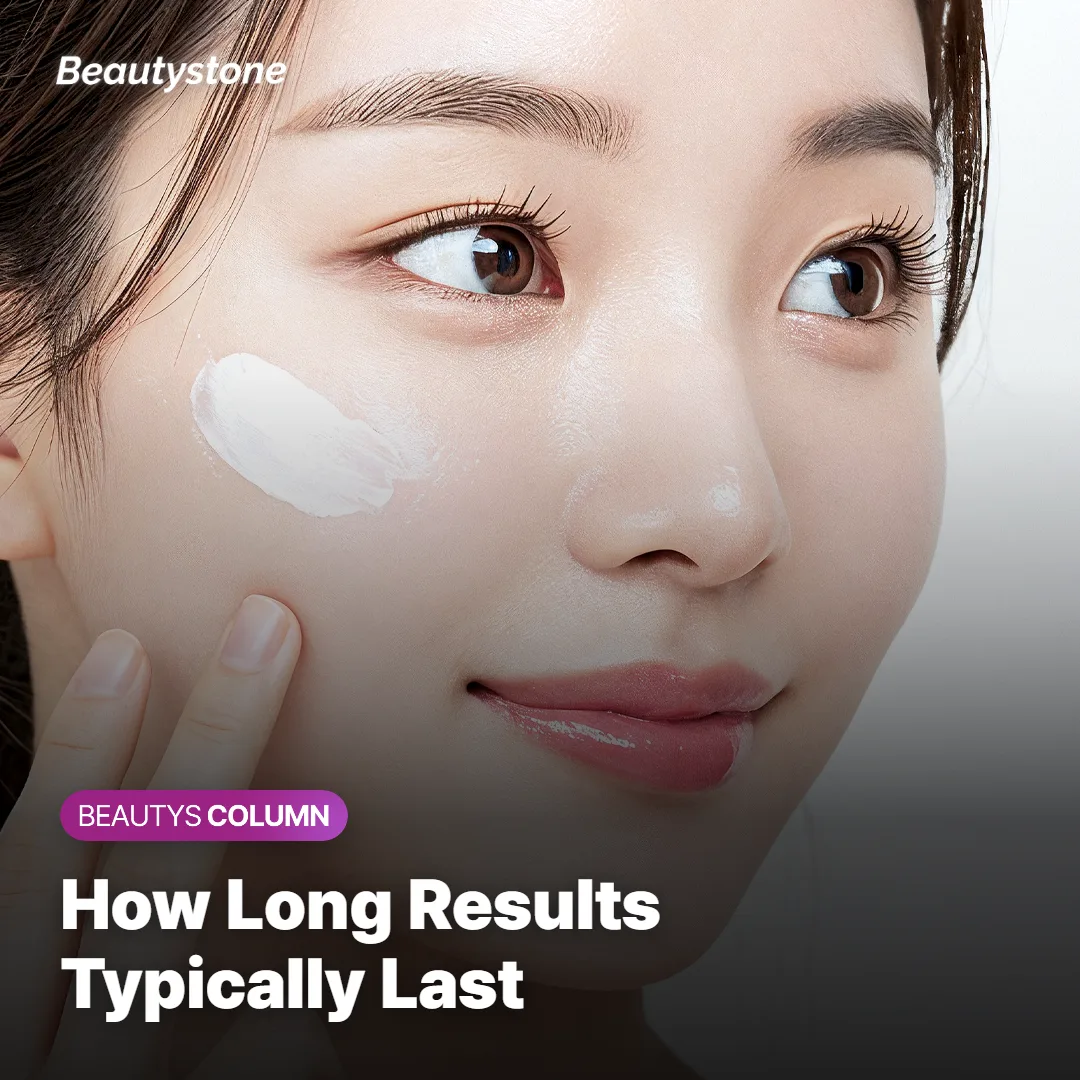
Once results peak, most people hold onto them for roughly six months to a year before the gradual signs of aging start to reappear. That range isn't fixed — how long your results last depends on your skin's natural collagen production, your age, and how consistent you are with basic skin care afterward.
Because Sofwave works by stimulating your own collagen rather than adding volume, it doesn't fade on a fixed schedule the way some injectables do. Instead, results ease off slowly as your skin's natural aging process continues — which is also why a single session usually isn't a one-and-done fix for most people.
A review of ultrasound-based skin tightening treatments found that thermal injury to the dermis and SMAS reliably stimulates fibroblast activity and new collagen formation, which lines up with why results build in gradually rather than appearing right away (source).
Most providers suggest planning a follow-up session somewhere between six months and a year out, timed around when you start noticing results softening rather than on a strict calendar date.
Sofwave vs. Other Ultrasound Lifting: Does the Timeline Differ?
Sofwave isn't the only ultrasound-based lifting option, and the general pattern — some tightness right away, real results weeks later — holds across most of them. What tends to vary is the exact pace, depending on how deep and how strong the energy is.
| Treatment Type | Right After | Peak Results | How Long It Lasts |
|---|---|---|---|
| Sofwave | Mild tightness | 4–12 weeks | 6 months–1 year |
| High-intensity focused ultrasound devices | Tightness, sometimes mild soreness | 8–12 weeks | 6 months–1 year |
| Surface-focused resurfacing treatments | Smoother-looking skin | 1–4 weeks | Several weeks to a few months |
The pattern across the board is similar: don't judge results by what you see the day after. Where treatments really differ is depth and intensity — deeper, higher-intensity ultrasound treatments can take a little longer to reach their full effect and may come with a bit more soreness, while surface-level treatments show change faster but usually don't last as long.
Because everyone's skin responds a little differently, a provider who has actually looked at your skin is a better guide than a general comparison chart, especially if you're deciding between a couple of options.
Who's a Good Candidate for Sofwave?
- Early sagging or loss of firmness: Sofwave tends to work best on mild-to-moderate laxity, not advanced sagging.
- Low tolerance for downtime: most people return to normal activities the same day.
- Sensitivity to pain: compared with some other energy-based treatments, Sofwave is often described as one of the more comfortable options.
- Preference for gradual, natural-looking change: if you'd rather ease into a result than see a dramatic overnight shift, this timeline tends to suit that.
If sagging is more advanced, or you're hoping for an immediate, dramatic contour change, Sofwave alone may not get you there. Some providers combine it with other treatments or suggest a different approach entirely, which is worth talking through at a consultation rather than guessing on your own.
Side Effects & Safety: What's Normal, What's Not
Mild redness, swelling, and a warm or tender feeling in the treated area are common right after Sofwave and usually settle within a day or two on their own. Some people also notice slight tenderness to the touch for a few days, which is a normal part of the healing process.
If redness spreads well beyond the treated area, swelling gets noticeably worse instead of better, or you develop a fever, contact your provider right away rather than waiting it out — those aren't part of the expected recovery pattern.
Sofwave generally isn't recommended if you're pregnant or breastfeeding, have active skin infections or inflammation in the treatment area, or have certain metal implants nearby. Always share your full medical history with your provider before booking, so they can flag anything relevant to you specifically.
The Bottom Line
Sofwave's timeline runs on two different clocks: a mild, short-lived tightness right after treatment, and the real collagen-driven change that builds in gradually over the following weeks.
- Expect mild tightness or light swelling in the first few days — that's not the final result.
- Real results typically build from around week four and are usually clearest by weeks eight to twelve.
- Results tend to last roughly six months to a year, depending on your skin and how you care for it afterward.
- Like any procedure, it comes with trade-offs, including temporary redness, swelling, and results that fade gradually over time.
Ultimately, how many sessions to plan for and when to schedule a follow-up depends on your skin, your goals, and how your body responds the first time around. If you're considering Sofwave, a consultation is the best way to find out what fits you. Beautystone is a dermatology clinic in Seoul's Hapjeong neighborhood — you can see current offers at /en/promotion.
Frequently Asked Questions
Q1. When do Sofwave results actually start to show?
Most people notice some tightness right after treatment, but that's not the real result. Genuine change builds gradually over about four to twelve weeks as new collagen forms, so judging results the next morning is judging too early.
Q2. How long do Sofwave results last?
Results typically last about six months to a year, though individual duration can vary based on skin condition and lifestyle factors.
Q3. Is Sofwave painful, and is there downtime?
Sofwave is non-invasive and doesn't involve cutting or injecting, though some sensation during treatment is expected as it delivers ultrasound energy beneath the skin's surface. It's not a substitute for a facelift, and downtime tends to be minimal.
Q4. Who is a good candidate for Sofwave?
Sofwave tends to suit people with early sagging or looser texture on the face and neck, think a softer jawline or slight laxity under the chin, rather than deep folds or heavy drooping, where more intensive options may be discussed instead.