Why 1 Drink Before Botox Risks a Bruise
If you had a few drinks before a Botox or filler appointment, you're probably wondering whether to go ahead or reschedule. Here's what alcohol actually does to your bruising risk, and how long to wait before and after different procedures.

If you had a couple of drinks last night and now you're staring down a Botox or filler appointment today, you're not alone. It's one of the most common last-minute questions clinics hear — do you go ahead, or do you reschedule? The short answer is that it depends on the procedure, but for anything involving a needle or an energy device, giving yourself a little buffer is usually the safer call. Alcohol widens your blood vessels and can thin your blood slightly, which sets up exactly the conditions that make bruising more likely. In this article, we'll cover why alcohol affects your results, how long to wait before different procedures, when it's safe to drink again afterward, and how to plan treatments around your social calendar.
What Happens in Your Body When You Drink Before a Procedure
Alcohol causes vasodilation (a widening of your blood vessels) almost as soon as it hits your bloodstream. That flushed, warm feeling in your face after a glass of wine is the visible sign — the small vessels under your skin are relaxing and carrying more blood than usual. Add a needle, a laser, or an RF device into the mix, and those wider vessels are more likely to leak a little blood into the surrounding tissue, which is exactly what a bruise is.
This isn't just a feeling — it's measurable. A small vascular study found that arm artery diameter increased enough to detect after just one or two drinks, which is a good reminder that alcohol's effect on your blood vessels isn't just anecdotal. Alcohol can also temporarily interfere with how well your platelets clot, so bruising and minor bleeding can be a bit more noticeable right after a procedure.
Not every treatment is affected equally, though. Surface-level treatments and topical products barely register a change, while anything that involves a needle or delivers heat or light deep enough to reach the dermis is where alcohol's effect shows up the most.
How Long Should You Wait to Get Botox or Fillers After Drinking?
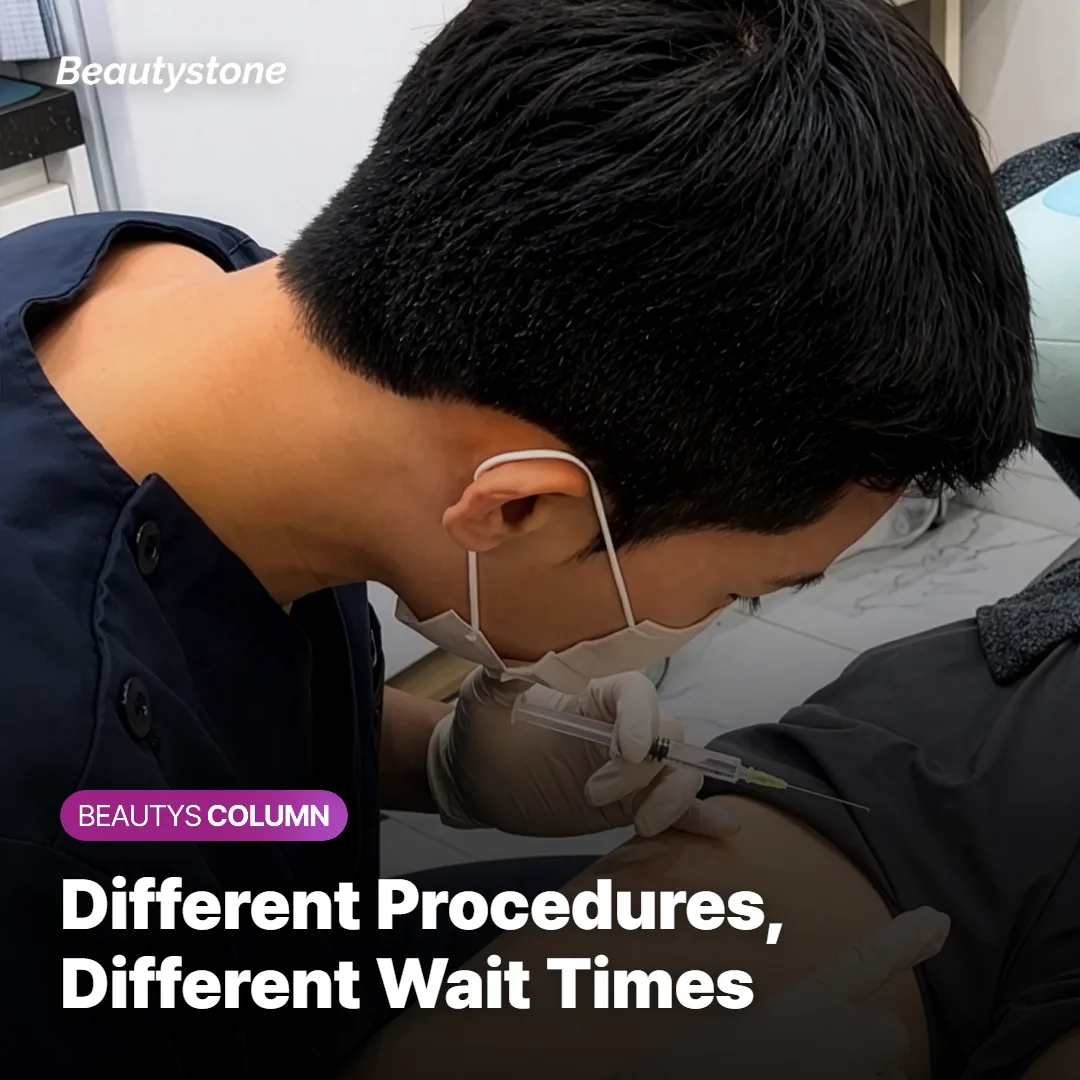
There's no single wait-this-many-days rule that applies across the board — it really comes down to what you're having done. Here's a general breakdown by procedure type:
| Procedure Type | Alcohol Risk | Recommended Wait |
|---|---|---|
| Dermal filler / thread lift | High — bruising and bleeding risk | 24 hours before treatment |
| Botox (botulinum toxin) | Moderate bruising risk | 12 to 24 hours before treatment |
| Laser and RF treatments | Redness and swelling risk | 12 hours before treatment |
| Skin boosters | Minor bruising possible | 12 hours before treatment |
| Surface treatments / toning | Minimal to none | No real restriction |
These numbers are a starting point, not a hard rule. If you bruise easily, or you had more than a couple of drinks the night before, it's worth giving yourself extra time. If it was just a glass of wine with dinner, most people are fine to proceed as planned. Either way, the most important thing is being upfront with your provider about what and when you drank — that's what lets them adjust technique, pressure, or treatment area to lower your bruising risk.
Is It Ever Fine to Go Ahead With Just One Drink?
A single glass of wine or beer isn't the same as a night of heavy drinking, and most providers will tell you it's not usually a dealbreaker on its own. That said, if you already bruise easily, or you're booked for something higher-risk like filler or a thread lift, even light drinking the night before is worth mentioning at your consultation.
It's less about a strict cutoff and more about stacking the odds in your favor — light drinking plus a lower-risk treatment is usually fine, while light drinking plus a higher-risk treatment might still be worth a short delay. Your provider can only make that call if they actually know what you had, so it's worth mentioning even if it feels minor.
When Can You Drink Alcohol Again After Your Procedure?
The window right after a treatment matters just as much as the night before. Your blood vessels are still a little more reactive than usual, so drinking too soon can make swelling and bruising linger longer than they need to.
- Injectables (Botox, filler, skin boosters): Wait at least 24 hours, and closer to 48 hours if you're prone to bruising or were treated in an area that bruises easily.
- Laser and RF treatments: Give it at least a day. These treatments leave some residual heat and inflammation in the skin, and alcohol's effect on blood flow can extend redness and puffiness.
- Surface treatments and toning: Light drinking the same day usually isn't a big deal, since these treatments don't reach deep enough to trigger the same response.
If swelling or bruising seems to be sticking around longer than usual, don't just wait it out — check in with the provider who treated you rather than guessing.
Side Effects and Risks: Why Bruising Is the Real Concern
Bruising is the headline risk when alcohol and procedures overlap, but it's worth understanding why. When a needle or energy device disrupts small blood vessels, a bit of bleeding under the skin is normal — that's what causes the blue-purple discoloration. Alcohol just makes it a little more likely and, in some cases, a little more noticeable.
Most bruising settles on its own within five to ten days. Redness and swelling from laser or RF treatments typically calm down within a few days, especially if you keep alcohol out of the picture early on.
If a bruise hasn't faded after two weeks, or if you notice spreading redness, fever, or worsening pain, seek medical care right away rather than waiting it out. Those aren't typical bruising symptoms, and it's better to have them checked.
How to Plan Treatments Around a Night Out
A little planning goes a long way toward not having to choose between your social calendar and your treatment schedule.
- Avoid scheduling right before a big event: Bruising can take five to ten days to fully fade, so book higher-risk treatments at least one to two weeks ahead of anything important.
- Front-load treatments during busy social weeks: Getting treated first and letting yourself recover before the drinks start is easier than squeezing a procedure in afterward.
- Don't push through after a heavy night: If you overdid it the night before, moving your appointment back a day is often the better call for your results.
- Plan your post-procedure days too: If you know you'll want to drink soon after treatment, build that buffer into your schedule ahead of time instead of deciding on the fly.
The Bottom Line
Here's what it comes down to: alcohol widens your blood vessels and can make bruising more likely, so most needle-based and energy-based treatments are safer with at least a short buffer before and after drinking. Surface-level treatments are much more forgiving. Redness and bruising are common and usually settle within a week or two — if they don't, that's your cue to check in with a provider rather than wait it out.
Ultimately, the choice depends on what you're having done, how easily you bruise, and how much you had to drink. If you're not sure where your situation falls, a consultation is the best way to find out what fits you. Beautystone is a clinic in Seoul's Hapjeong neighborhood — current offers are listed on the promotion page.
Talk to your provider about your specific plans before your next appointment, especially if a big night out is on the calendar around the same time.
Frequently Asked Questions
Q1. Can I get Botox or filler after drinking alcohol?
It depends on the procedure, but giving yourself a buffer is usually the safer call for anything involving a needle or an energy device. Alcohol widens blood vessels and can thin your blood slightly, which raises the chance of bruising.
Q2. How long should I wait after drinking before getting a procedure?
There's no single wait-this-many-days rule that applies across the board — it depends on what you're having done. Your provider can give you a recommended window based on your specific treatment.
Q3. Is it okay to have just one drink before a procedure?
Even one or two drinks can measurably widen your blood vessels, so it's safer to apply the same caution to a single drink as you would to more. When in doubt, ask your provider before your appointment.
Q4. When can I drink alcohol again after a procedure?
This also depends on the type of treatment you had — needle-based or energy-based procedures generally call for a longer wait than surface-level ones. Check with your clinic for guidance specific to your procedure.