PicoWay Removal: 2 Things That Change the Pain
Wondering how much PicoWay tattoo removal really hurts? Here's how pain shifts by body area and ink color, and how numbing cream and cooling keep it manageable.

Last updated: July 2026
If the memory of getting your tattoo is still fresh, it's fair to wonder whether removing it hurts just as much — or worse. It's one of the first questions almost everyone asks before booking a PicoWay* consultation.
The short answer? Most people feel something during PicoWay tattoo removal, but how much depends heavily on where the tattoo sits and what color ink you're trying to fade. In this article, we'll cover what the sensation actually feels like, how pain shifts by body area and ink color, and how numbing cream and cooling are used to keep things manageable from start to finish.
*PicoWay: an FDA-cleared picosecond laser platform that uses ultra-short pulses — measured in trillionths of a second — to shatter tattoo ink instead of burning through it with heat.
Does PicoWay Tattoo Removal Hurt?
The short answer? Yes, most people feel something — but it reads more like a series of quick snaps than a deep, sustained burn. A lot of patients compare it to a rubber band snapping against the skin, sometimes with a flash of warmth, rather than the dragging scratch of a tattoo needle going in.
A clinical report on picosecond laser treatment of black tattoos found that every patient felt some degree of discomfort during the procedure, though it was mostly rated mild to moderate. Numbing cream applied beforehand and a cold compress afterward were enough to keep it tolerable for the group as a whole.
That lines up with how picosecond lasers are built to work in the first place. Instead of relying on heat to break down pigment, they use extremely short energy pulses to create a kind of shockwave that shatters ink into tiny fragments — which is part of why the surrounding skin tends to bounce back faster than it would after older, heat-based lasers.
How Does PicoWay Break Down Tattoo Ink?
Tattoo ink sits in the dermis, the layer beneath the skin's surface, where it's too large for your body to clear out on its own. PicoWay delivers its energy in picosecond bursts — pulses so short that they shatter ink particles into fragments small enough for your immune system to sweep away over the following weeks.
This is different from the heat-driven lasers of a decade ago, which worked more slowly and came with a higher risk of scarring or lasting pigment changes. The picosecond approach targets the ink itself rather than cooking the surrounding tissue, which is a big part of why recovery tends to be shorter.
It's also why the sensation is often described as a fast, repetitive snap rather than a burn that lingers — the laser is in and out of each spot in a fraction of a second.
Does Pain Vary by Body Area?
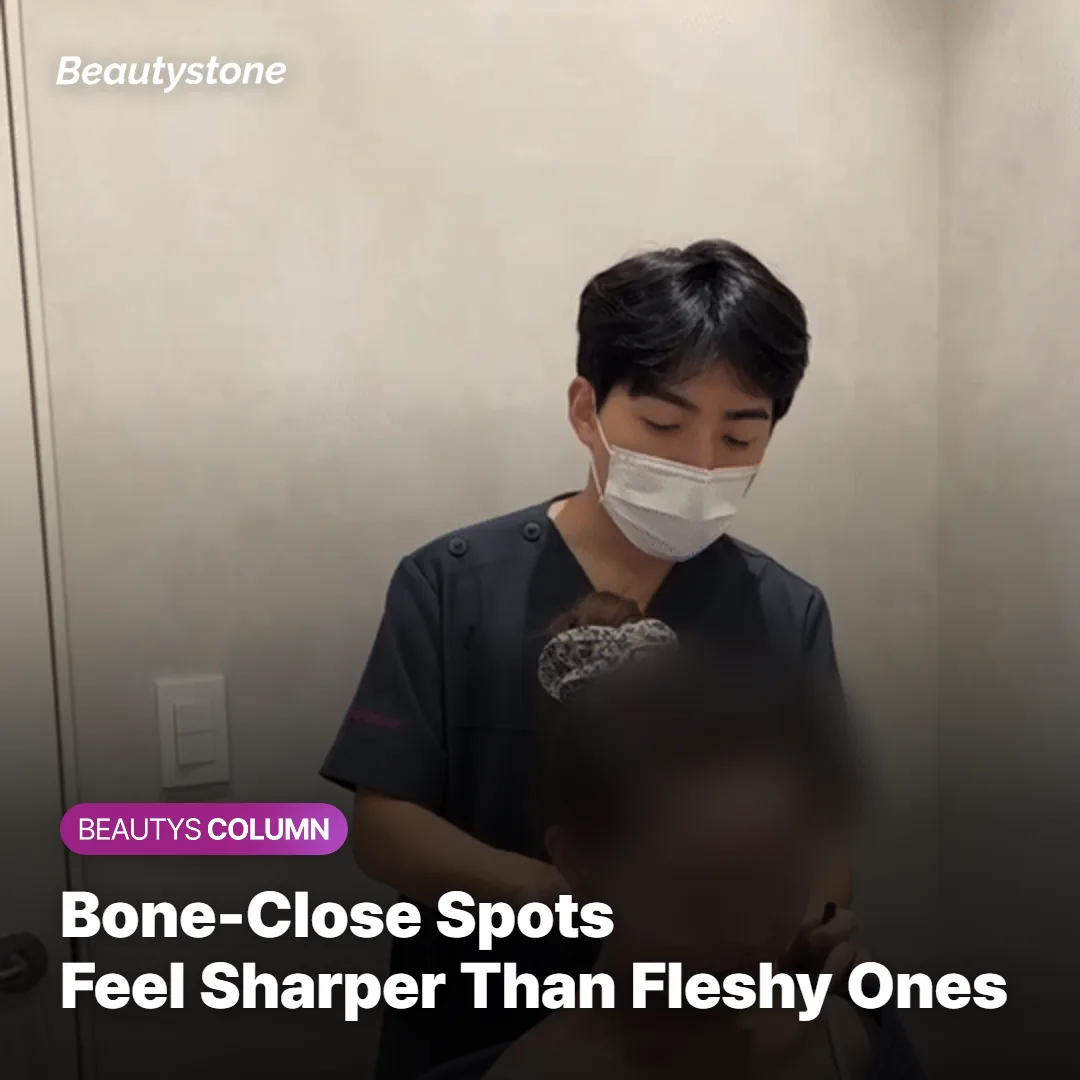
Here's the thing: the treatment settings might stay the same, but where the laser lands changes how it feels. Areas with more muscle or fat between skin and bone tend to cushion the sensation, while spots where bone sits just under the skin transmit the vibration more sharply.
| Area | Typical Sensation | Common Anesthesia |
|---|---|---|
| Forearm, thigh (fleshier areas) | Moderate | Numbing cream |
| Wrist, ankle (bone close to surface) | Sharper | Numbing cream + cooling |
| Fingers, collarbone | Sharper (thin skin) | Numbing cream + cooling |
| Black ink | Noticeable but quick response | Numbing cream |
| Colored ink (red, green) | Similar to area, more sessions | Numbing cream |
If you're especially sensitive to pain, mentioning it during your consultation means your provider can plan extra numbing time or shorter passes for the trickier spots.
Does Ink Color Affect Pain and Session Count?
Pain itself has more to do with location than ink color. But color still matters, just indirectly — through how many sessions you'll need.
Black ink absorbs laser energy efficiently across a broad range of wavelengths, so it tends to respond faster and often clears in fewer sessions. Reds and greens absorb less efficiently, meaning treatment usually takes more rounds to fade to the same degree.
A review pooling multiple picosecond laser tattoo studies found that, across one to ten sessions, most patients who completed the recommended course saw at least 70% fading of their ink — with results building gradually rather than all at once.
More sessions means more cumulative exposure to that snapping sensation, so if you're working on a colorful piece, it's worth planning for a longer timeline and pacing your expectations around pain alongside the number of visits.
How Do You Prepare for and Get Through the Procedure?
PicoWay tattoo removal follows a pretty predictable sequence, and knowing it ahead of time takes some of the edge off if you're nervous about pain.
- Consultation and test spot: Your provider looks at the tattoo's location, ink colors, and depth to estimate sessions and pain level, sometimes testing a small area first.
- Numbing cream: A topical anesthetic* goes on roughly 30 minutes before treatment and needs time to fully absorb — this step matters even more on bone-close areas.
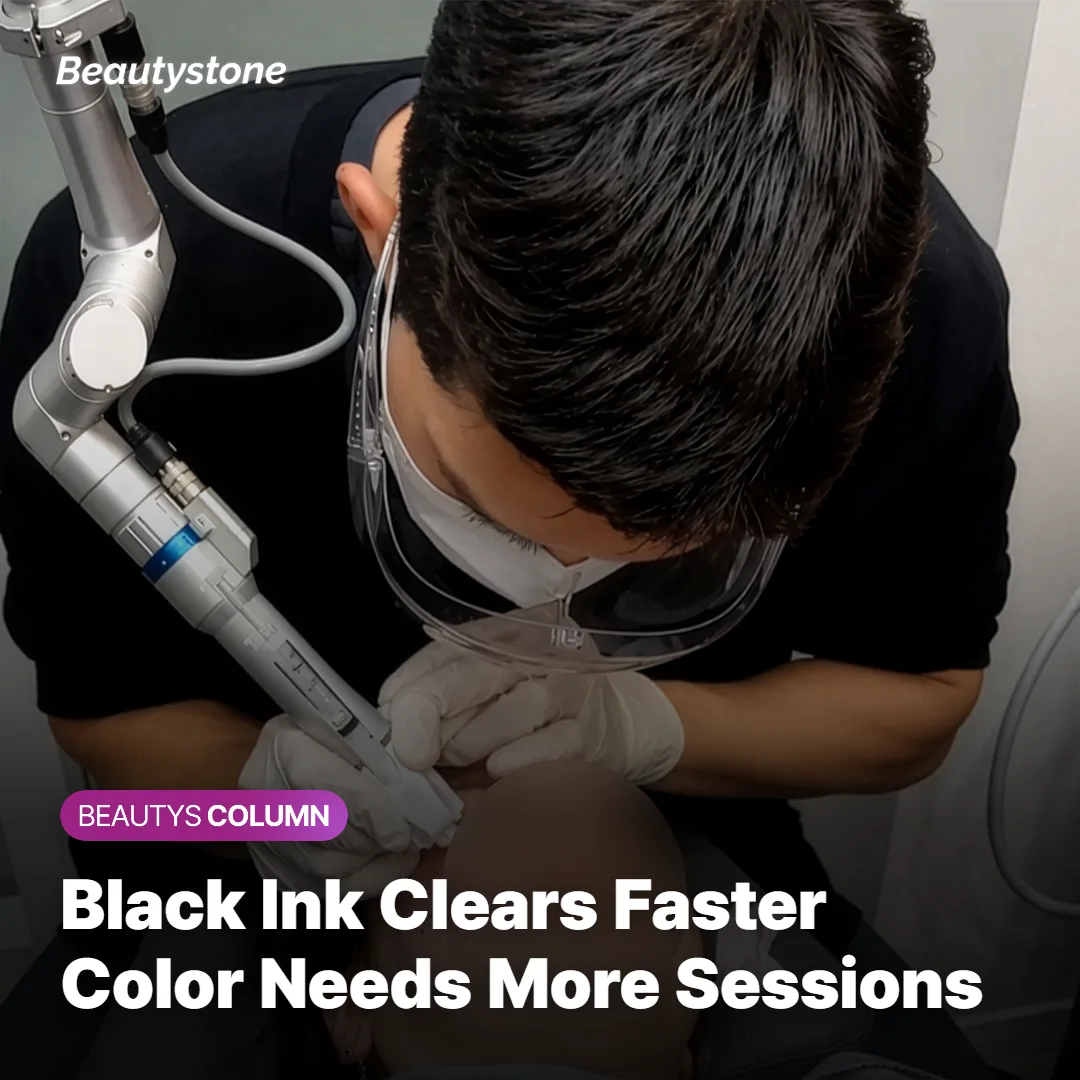
- Cooling during treatment: A chilled air device or cooling tip keeps the surface temperature down while the laser works; each spot only takes a fraction of a second, so total treatment time stays short.
- Aftercare guidance: A cold compress right after calms the heat, followed by instructions on ointment, sun protection, and how to handle any blistering.
*Topical anesthetic: a numbing cream applied to the skin's surface, often containing lidocaine, usually 20 to 30 minutes before treatment.
Rushing the numbing step is one of the more common regrets people mention — if it hasn't had time to absorb, you'll likely feel more than you would with a full 30 minutes.
Providers typically space sessions six to eight weeks apart so skin has time to recover fully before the next round. Cramming sessions closer together adds fresh irritation on top of skin that hasn't finished healing, which can raise the risk of lingering pigment changes.
What to Expect After Treatment: Side Effects and Downtime
The days right after PicoWay tattoo removal usually bring a handful of mild reactions that settle on their own.
- Redness, warmth, and mild swelling: Common for a few hours up to a day or two.
- Frosting: A temporary whitish look right after the laser passes over, which fades within minutes to hours.
- Small blisters or scabs: Can show up on more sensitive spots — leave them alone and let them fall off naturally rather than picking.
- Temporary pigment changes: Skin may look lighter or darker for a while before evening back out.
Sun protection is non-negotiable during recovery. Treated skin is more reactive to UV exposure, so daily sunscreen and covering the area with clothing or a bandage when you're outside both help guard against lasting pigment changes. If a blister or scab forms, resist the urge to pick at it — let it come off on its own.
A few signs are worth flagging to your provider right away rather than waiting them out:
- Pain or swelling that keeps getting worse instead of settling down.
- Pus, spreading redness, or increasing warmth — possible signs of infection.
- Blistering or oozing that hasn't improved after two weeks.
If you notice any of these, contact your provider or seek medical care right away rather than waiting for your next scheduled visit.

The Bottom Line
PicoWay tattoo removal isn't something you sail through without noticing — but it's rarely more than most people can manage, especially with the right prep. A few things are worth keeping in mind:
- Expect a quick, repetitive snapping sensation rather than a deep burn, with topical numbing and cooling doing most of the heavy lifting.
- Bone-close spots like wrists and ankles tend to feel sharper than fleshier areas like forearms and thighs.
- Black ink often clears in fewer sessions; colorful ink usually means more rounds — and more cumulative exposure to that sensation.
- Full fading takes multiple sessions spaced six to eight weeks apart, not one visit.
Like any procedure, it comes with trade-offs — some discomfort, some downtime, and a timeline measured in sessions rather than days. Ultimately, the choice of how to prepare, and whether it's the right time to start, depends on your skin, your tattoo, and your tolerance for the process.
If you're considering PicoWay tattoo removal, a consultation is the best way to find out what pain management and session plan fits you. Beautystone is a dermatology clinic in Seoul's Hapjeong area — current offers are listed at /en/promotion, and a provider can walk you through pricing during your visit.
Frequently Asked Questions
Q1. Does numbing cream alone make PicoWay tattoo removal comfortable?
It depends on where the tattoo is. On fleshier areas like the forearm or thigh, numbing cream alone is often enough to make treatment manageable. On bone-close spots like the wrist or ankle, adding a cooling device on top of the numbing cream tends to help more. If you know you're sensitive to pain, mention it at your consultation so your provider can plan extra time for numbing.
Q2. Is black tattoo ink more painful to remove than colored ink?
Not really — location has a bigger effect on pain than color does. Where color comes in is session count: black ink tends to respond faster and clear in fewer visits, while reds and greens usually need more sessions to fade the same amount. More sessions means more total exposure to the sensation, even if each one doesn't feel more intense.
Q3. Can I go back to normal activities the day after PicoWay tattoo removal?
Most people can return to their regular routine right away. The treated area may stay red and warm for a day or two, so it's worth skipping saunas, intense workouts, and hot showers directly on the spot for a few days. Sunscreen is a must, and if any blistering or scabbing shows up, let it heal on its own rather than picking at it.
Q4. How soon can I schedule my next PicoWay session?
Most providers space sessions six to eight weeks apart so skin has time to fully recover before the next round. Going in earlier than that adds fresh irritation to skin that hasn't finished healing, which can raise the risk of pigment changes. Your provider can confirm timing based on how your skin is healing.