Onda Lifting: 1 Face Type It Won't Help
We break down which face types tend to respond well to Onda — and which don't — so you can get a realistic sense of where you stand before your consultation.
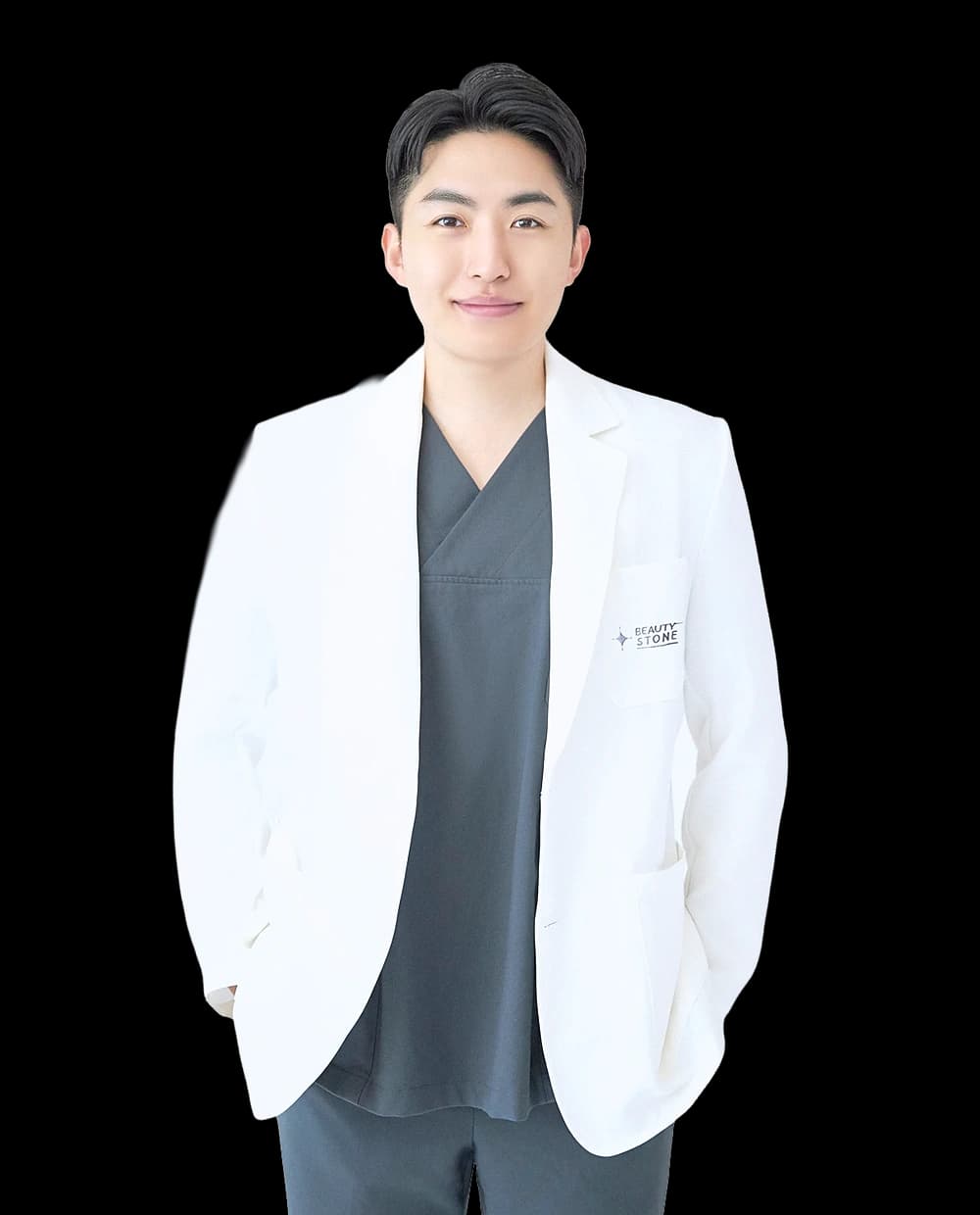
Wi Young-jin
Chief Director, Myeongdong
When people start researching Onda Lifting, one of the most common places they get stuck is the question: "Will this actually work for my face?" Some patients come back saying their jawline looks noticeably sharper, while others feel the change was more subtle than they expected. That difference isn't just about technique — it comes down to whether your skin and facial structure are a good match for what Onda is designed to do.
The short answer. Onda tends to shine for people with mild to moderate sagging combined with some extra volume or fat concentrated in the lower face. On the other hand, if sagging is already quite advanced — or if your face is on the leaner side with very little fat to work with — the results may not meet your expectations. We'll walk through the underlying principles step by step, so you can get a clearer sense of which side of the line you're on.
This article is an informational content piece compiled by Beautystone Clinic in Hongdae.
Let's Start with How Onda Uses Heat to Address Collagen* and Fat
Onda is a device that delivers microwave-based thermal energy beneath the skin's surface. When that heat reaches the Dermis* and fat layer, two things happen simultaneously. One is an immediate response — Collagen fibers contract when exposed to heat. The other is a gradual change — as the skin recovers, new Collagen is produced, progressively firming the tissue over time.
Dermis*: The skin layer beneath the epidermis, where Collagen and elastic fibers gather to provide structural support.
Collagen*: A protein that supports the Dermis. When stimulated by heat, it contracts and is then rebuilt during the recovery process.
A medical reference summarizing how thermal energy from Radiofrequency (RF) and microwave sources heats the Dermis, triggering immediate Collagen contraction followed by new Collagen synthesis explains clearly that the depth and temperature of heat delivery are what determine the outcome. What sets Onda apart from other Lifting procedures is that this heat is designed to reach the fat layer as well, targeting volume reduction at the same time. That's why it comes up as an option when someone wants to address both lower-face volume and sagging together — not just skin tightening alone.
Certain Face Types and Skin Concerns Respond Better Than Others
There's a common thread among patients who see strong results with Onda. They tend to have mild to moderate sagging — not severe — along with a noticeable amount of fat or volume concentrated under the chin or in the lower cheeks. If you've been bothered by a Double Chin, or you've noticed the area around your mouth starting to sag and blur your Facial Contour, you likely fall into this category.
A study noting that patients with mild to moderate sagging — not severe enough to require surgery — tend to be ideal candidates for non-surgical Radiofrequency (RF) procedures also found that satisfaction rates are higher when the degree of sagging falls in the "not yet surgical" range. Factor in Onda's fat-reduction effect, and it becomes clear that patients with more lower-face volume have a greater chance of noticing a tangible difference. Here's a rough breakdown of how well different conditions tend to align with Onda:
| Condition | Onda Suitability | Notes |
|---|---|---|
| Mild to moderate sagging | Good fit | Noticeable improvement in Facial Contour definition |
| Double Chin / submental fat | Good fit | Fat-reduction effect can be leveraged effectively |
| Cheek and perioral sagging | Reasonable fit | More sessions can help |
| Severe sagging | Limited results | Thread lift or surgical consultation recommended |
| Very lean face with minimal fat | Limited results | Not enough volume to work with |
Results don't all appear at once — they tend to emerge gradually as Collagen builds up over time, with contours becoming more defined over several weeks. It's more natural to anticipate a progressive refinement in the weeks following the procedure rather than an immediate transformation. Results also tend to accumulate with additional sessions, so rather than treating it as a one-and-done procedure, it's worth thinking about spacing and frequency based on your individual condition.
There Are Cases Where a Different Procedure May Serve You Better
Onda isn't the answer for every type of sagging. If the skin is already significantly lax and folding, heat-based tightening alone may not be sufficient — in that case, it's more realistic to consult about Thread lift or surgical options as well. Conversely, if your main concern is Fine Lines or Skin Texture rather than sagging, a different category of procedure may be a better match.
For patients with very lean faces and minimal fat, Onda's fat-reduction effect can actually work against them. If your cheeks are already hollow, further reducing volume could make you look tired or drawn. In situations like this, a more appropriate direction would be adding volume or selectively addressing Elasticity without the fat-reduction component. The real starting point for choosing the right procedure is figuring out whether your face needs to be "tightened" or "filled."
Why Beautystone Clinic in Hongdae?
At Beautystone Clinic in Hongdae, we look at whether your face is actually a good match for Onda before recommending the device. Because the results you can expect differ significantly between a face with more fat and a leaner one, we assess both the degree of sagging and fat distribution, then guide you through how sessions and energy settings should be adjusted accordingly. Being a small clinic within walking distance of Hapjeong Station means we can track each patient's contour changes session by session and work with you to decide when the next step makes sense.
Things Worth Thinking About Before Your Consultation
If you're heading into an Onda consultation, thinking through a few things in advance will make the conversation much more productive. Coming in with a clear sense of whether your concern is sagging or volume — and which area bothers you most — makes it much easier to determine the right approach.
- The area that concerns you most — Narrow it down: is it under the chin, the cheeks, or around the mouth?
- Sagging vs. volume — Try pinching the area: can you actually grab a handful of tissue?
- Previous procedure history — Share any prior Filler, Thread lift, or other procedures you've had
- Your schedule flexibility — Swelling and redness can last a few days, so plan around important events
- Your expectations — Think gradual, cumulative improvement rather than dramatic results from a single session
After the procedure, mild redness and Swelling may linger for a few days, but these typically resolve on their own. That said, if Pain progressively worsens or you notice persistent asymmetric Swelling on one side, it's important to reach out to your treating physician. This article is intended as general information — whether Onda is right for you specifically is a decision best made in direct consultation with a qualified medical professional.
Frequently Asked Questions
Q. Can a single Onda session still make a difference?
A. Some patients do notice a change after just one session, but in most cases, results become more defined as Collagen accumulates across multiple sessions. The recommended number of sessions varies depending on your degree of sagging and fat distribution, so it's best to determine the spacing and frequency based on your individual condition.
Q. I have a lean face — will Onda make me look more hollowed out?
A. If you have very little facial fat, Onda's fat-reduction effect could potentially make the cheeks appear more sunken. In those cases, adjusting the energy settings or exploring a volume-adding approach alongside is the safer route. If you have a lean face, please make sure to mention that during your consultation.
Q. When will I start seeing results, and how long do they last?
A. You may feel some immediate tightening right after the procedure, but the more significant changes tend to emerge gradually over several weeks as Collagen builds up. Longevity varies considerably between individuals, but results are commonly reported to last several months or longer, depending on lifestyle and the pace of natural aging.
Q. Can I combine Onda with other Lifting procedures?
A. Combining procedures is possible when they target different concerns — for example, using Onda for fat and sagging while addressing deeper-layer Elasticity with a separate device. That said, it's better to plan the sequence thoughtfully with Recovery and timing in mind rather than doing everything at once. We recommend discussing any combination approach with your physician before deciding.
Further Reading
- Can You Go Back to Your Daily Routine Right After Onda Lifting?
- Does Onda Lifting (MWT) Really Not Work? Start by Understanding the Difference Between the 3mm and 7mm Tips
- Onda Lifting (MWT) Pricing — It All Makes Sense When You Look at It by Shot Count
- Everything You Need to Know About Onda Lifting (MWT) — In One Article