Onda for Inner Thighs: How Much Fat Is Enough?
Inner thighs that pinch thick, with at least 1 cm of fat under the skin, suit Onda’s fat-reduction settings best. Thin, creasing skin can still be treated, but expect a smaller change.

If you can pinch a thick fold of skin on your inner thigh, at least 2 cm between your fingers, you’re the kind of candidate Onda is designed for. An international advisory board of experienced Onda users recommends treating fat only where the pinched fold measures roughly 2 to 5.5 cm, meaning there’s at least 1 cm of fat under the skin.
If the skin feels thin and folds into fine creases instead, the main issue is loose skin rather than extra fat. Onda can still be used, but the settings change and the improvement you can expect is smaller. In this article, we’ll cover where that soft, jiggly feeling comes from, how the approach differs by type, how many sessions are typical, which reactions are normal, and what to prepare before a consultation.
Why Do Inner Thighs Stay Soft Even After Exercise?
Short answer: the softness usually comes from more than one layer at the same time, and exercise mostly works on the muscle underneath them.
Under the skin of the inner thigh sits a layer of subcutaneous fat. That fat is divided into small pockets by tough fibrous walls called septa. When those walls pull down on the skin, you get the dimpled, orange-peel look people call cellulite. Loose skin, extra fat, and tethering septa can all show up in the same area, and they respond differently to treatment.
Onda uses 2.45 GHz microwave energy, not radiofrequency, so it isn’t in the same device family as Thermage or other RF lifting. Microwaves heat tissue that holds water. According to the advisory board, Onda’s deep handpiece focuses heat about 1.2 cm down into the fat layer, and its shallow handpiece about 0.7 cm down, just under the skin. The paper describes the heated fat cells releasing their contents and being cleared by the body over the following weeks.
Here’s a quick self-check you can do standing in front of a mirror:
- Thick pinch: Your fingers spread wide around a soft fold. Fat is the bigger part of the problem.
- Thin pinch with creases: The skin folds like fine crepe paper. Laxity is the bigger part.
- Dents when you squeeze: Small hollows pop up. The septa are pulling on the skin.

Fat, Loose Skin, or Dimples: How Onda Is Set Up for Each
The advisory board’s approach is to decide which problem is dominant, then choose the handpiece and the order of treatment around it. Applied to the inner thigh, it looks like this:
| What you notice when you pinch | Main layer | How Onda is used | Realistic goal |
|---|---|---|---|
| A thick fold, thighs rub when you walk | Subcutaneous fat | Deep handpiece first | A thinner fold and a smaller circumference |
| A thin fold that creases | Skin laxity | Shallow handpiece at lower settings | Firmer-feeling skin; a modest change |
| Dents that stand out when squeezed | Fibrous septa | Shallow first for one or two sessions, then deep | Softer, less visible dimpling |
| A thick fold with loose skin on top | Fat and laxity | Deep first, then shallow once volume drops | Keeping the order so laxity doesn’t become more obvious |
That last row matters more on the inner thigh than almost anywhere else. The advisory board warns that severe skin laxity won’t improve and will stay, and that removing too much fat can reveal loose skin that wasn’t visible before. So when laxity already stands out, deciding where to stop is as important as deciding how much fat to reduce.
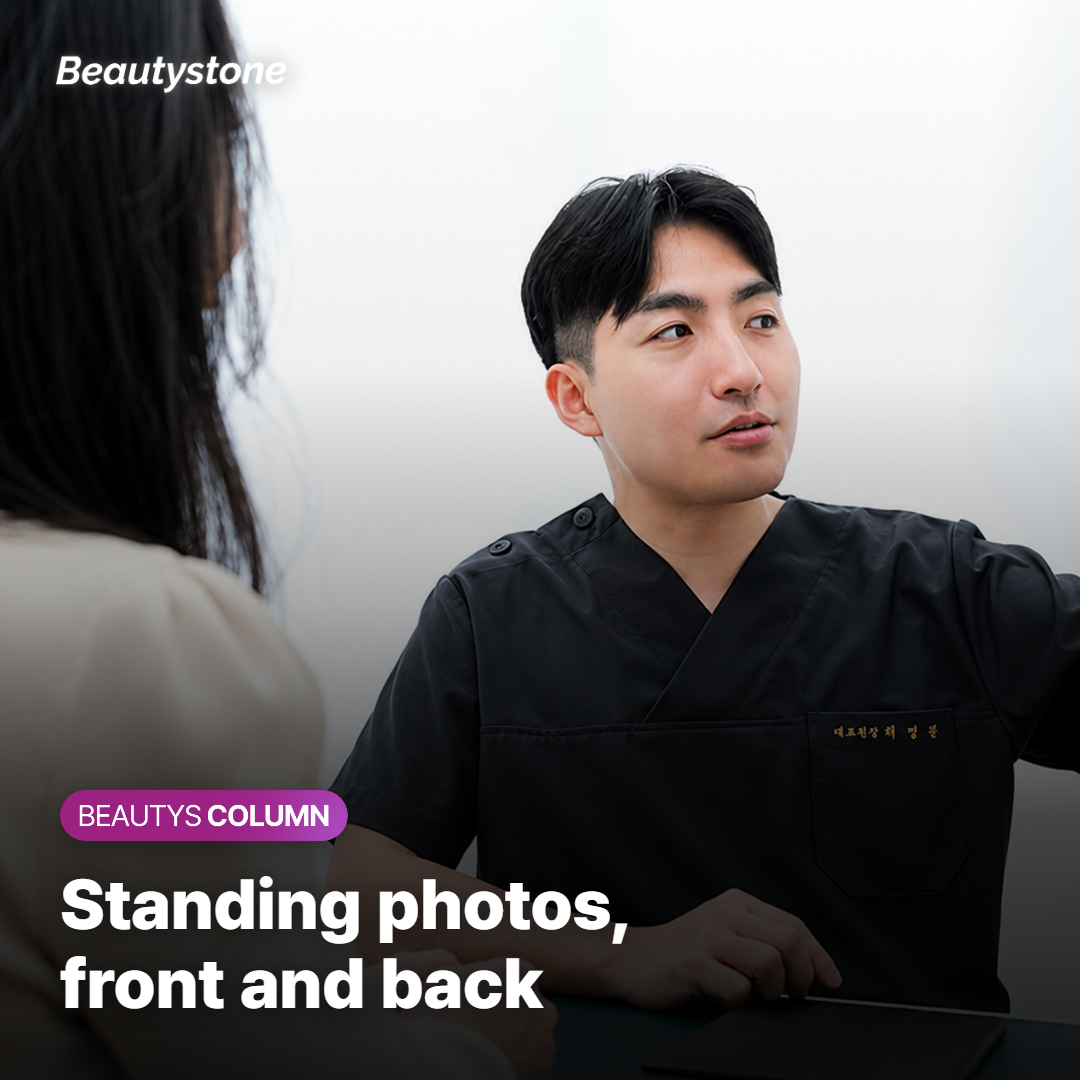
At Beautystone in Seoul’s Hongdae area, the doctor measures the pinch and marks any dents while you’re standing, zone by zone, before deciding whether the first session starts deep or shallow.

How Many Sessions, How Far Apart, and When to Judge
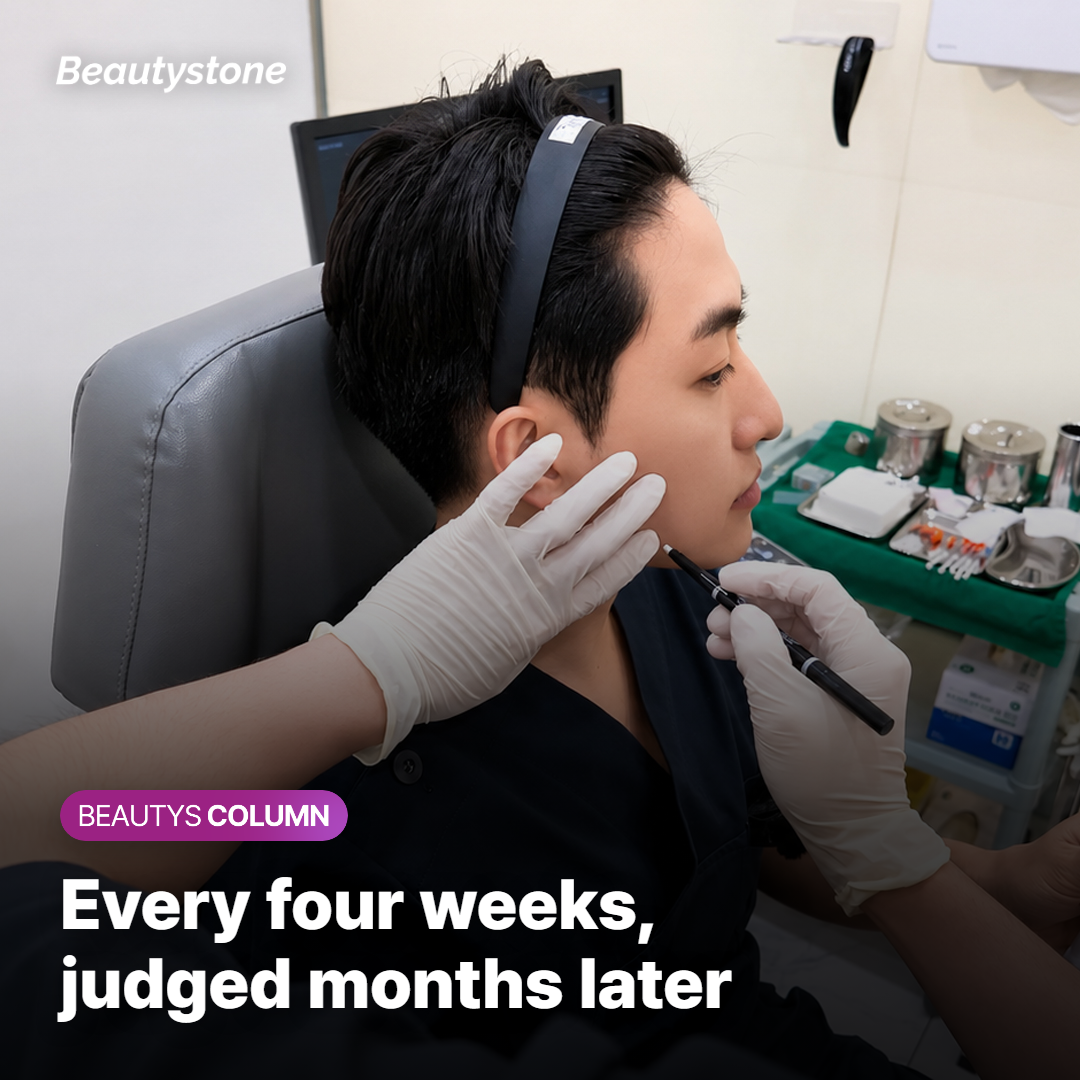
The advisory board describes an average protocol of four sessions, one every four weeks. A single area shouldn’t be treated again within 15 days, and no more than six 15 × 15 cm squares should be treated in one session so the lymphatic system isn’t overloaded. Both inner thighs usually fit inside that limit.
The clearest outcome data on the thigh area comes from a study of 26 women with moderate to severe cellulite who had four Onda sessions on the buttocks and back of the thighs. Three months after the last session, their average cellulite severity score dropped from 10.7 to 4.5, and the average back-of-thigh circumference went from 49.5 cm to 47.4 cm. It was a small study without a control group, and it measured the back of the thigh rather than the inner thigh, so the fair takeaway is the timeline: results build over several sessions and are judged months later, not after one visit.
That’s why it’s worth resisting the urge to add sessions or ask for higher power if you don’t see much change after the second or third visit. The advisory board suggests a follow-up about one month after the last session. Circumference changes are small and slow, so taking photos and tape measurements in the same spot and the same position before you start makes the result much easier to read.
Side Effects and Risks: What’s Normal and When to Call
Common reactions after a session include redness, warmth, tenderness, and some swelling. The advisory board notes these usually settle within a few days.
Less often, a small firm lump can form under the skin. In the advisory board’s review, these nodules resolved on average within about 78 days, and the next session is postponed until they’ve gone. If a lump isn’t painful and is slowly getting smaller, waiting it out is reasonable. If you notice any of the following, contact the clinic that treated you instead of waiting:
- Blisters on the treated skin
- Pain that gets worse each day rather than better
- Redness that keeps spreading after the first day or two
- A lump that grows, feels hot, or becomes more tender
The inner thigh has a few extra safety points. The large femoral vessels run near the groin, and the advisory board excludes those vessels and any varicose veins from the treatment area. Let the doctor know up front if any of these apply to you:
- You’re pregnant, or it’s been less than 10 months since you gave birth
- You have varicose veins or a history of blood clots or phlebitis
- You take blood thinners or antiplatelet medication
- You’ve had liposuction, fat grafting, or filler in the thighs
After a session, avoid direct sun on the area for two days, and skip hot showers while the skin still looks pink.

Before You Book: What to Check and What to Bring
Whether you treat only the inner thighs or add areas with the same concern, such as the inner arms or lower belly, changes the number of zones and the overall cost. Pricing follows the clinic’s price list and is confirmed once the zones and number of sessions are set.
To make your first consultation faster, have these ready:
- Photos: One from the front and one from the back, standing with feet shoulder-width apart
- Weight history: Any significant weight change in the last six months
- Past treatments: Any procedures you’ve had on your thighs, with approximate dates
If you’re reaching out from abroad, you can send your first message and photos through WhatsApp before planning your trip to Seoul.
The Bottom Line
- Inner thighs that pinch thick, with at least 1 cm of fat under the skin, are the best fit for Onda’s fat-reduction settings.
- Thin, creasing skin can still be treated with shallow settings, but the change is smaller.
- The typical plan is four sessions, four weeks apart, judged one to three months after the last one.
- Blisters, worsening pain, or spreading redness are reasons to call the clinic.
Like any energy-based treatment, Onda comes with trade-offs, and results vary with how much fat you have, how loose the skin is, and how stable your weight stays. Ultimately, the right plan depends on what your pinch test shows.
If you’re wondering whether your inner thighs are more fat or more loose skin, a consultation is the quickest way to sort it out. Beautystone is a dermatology clinic in Seoul’s Hongdae area, and our team can review your photos on WhatsApp before you plan a visit.
Frequently Asked Questions
Q. Do I need to diet or exercise for the results to last?
A. The advisory board recommends drinking about 2 liters of water a day during the treatment period and keeping up a healthy diet and moderate exercise. Significant weight gain can thicken the fat layer again, so it helps to keep your weight steady while you’re still judging the results.
Q. I’ve had liposuction on my thighs before. Can I still get Onda?
A. The advisory board actually lists people who want extra tightening after liposuction as good candidates. Areas that have become hard and fibrous after surgery need a closer look, though, so share when and where you had surgery and the doctor will examine the area first.
Q. How hot does it feel during the session?
A. The handpiece cools the skin to around 5°C as it moves, and the advisory board recommends keeping the skin surface from going above 40 to 41°C. If it feels too hot or stings, say so and the energy is paused, the area is cooled, and the settings are lowered.
Q. Can I get Onda over a tattoo on my inner thigh?
A. A new tattoo that hasn’t fully healed is avoided. Healed tattoos can also react to heat, so the doctor checks the tattoo first and decides whether to treat over it or work around it.