How Long Does Lip Filler Swelling Last?
Most lip filler swelling settles within 2 weeks, so that's when to judge the shape. See day-by-day aftercare, when working out is fine, why lumps can linger, and which signs mean you need care right away.

Wi Young-jin
Chief Director, Myeongdong
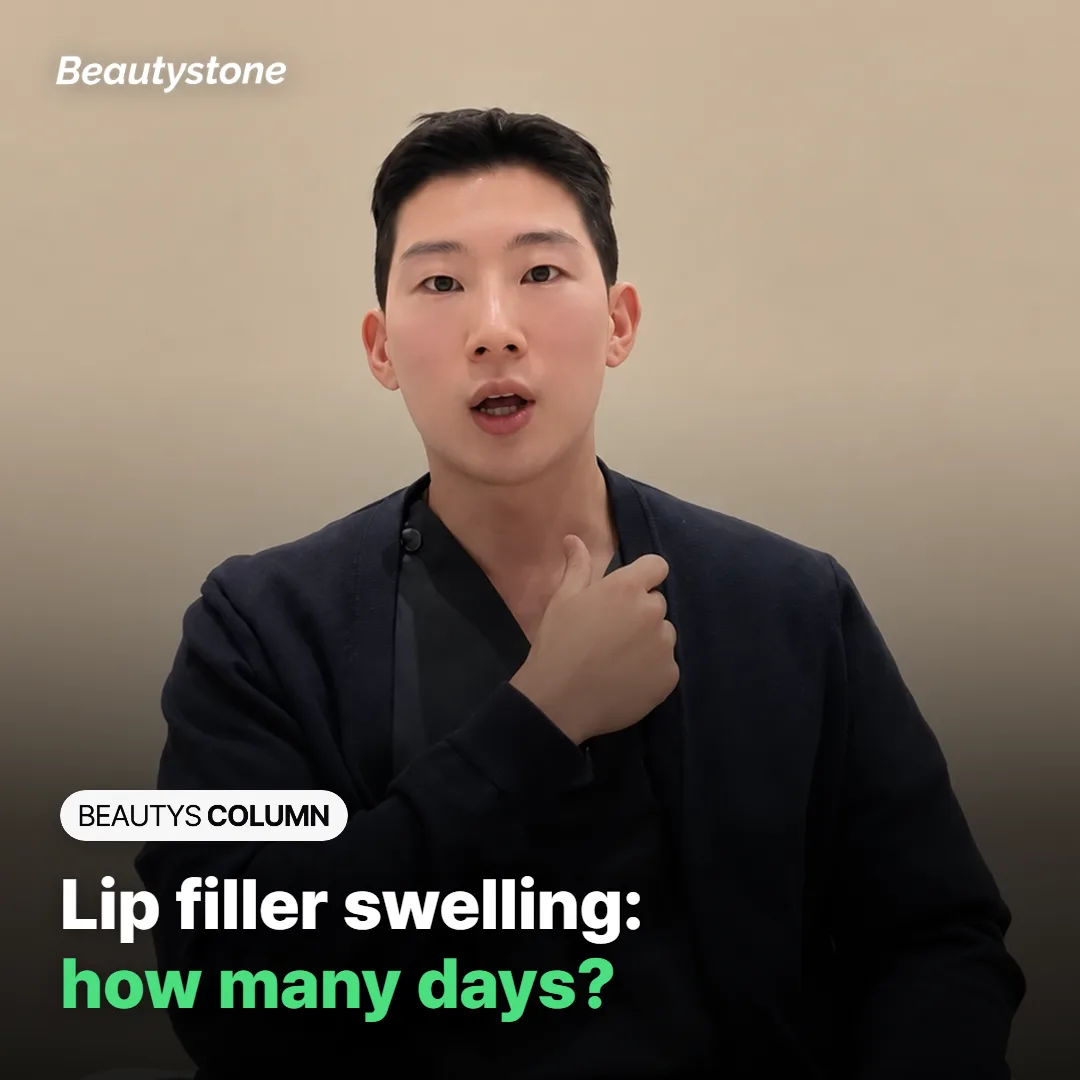
Give lip filler swelling 2 weeks before you judge the shape. Redness, swelling, tenderness and the occasional bruise usually clear within 7 to 14 days, so anything you see before then is part filler, part fluid. That's why the first week isn't the time to decide whether to add more or dissolve some.
It's normal to look in the mirror the morning after and think your lips came out too big or a little lopsided, since swelling rarely settles evenly. In this guide, we'll walk through the timeline day by day, what lingering lumps mean, and the few signs that can't wait.
How Long Does Lip Swelling Last After Lip Filler?
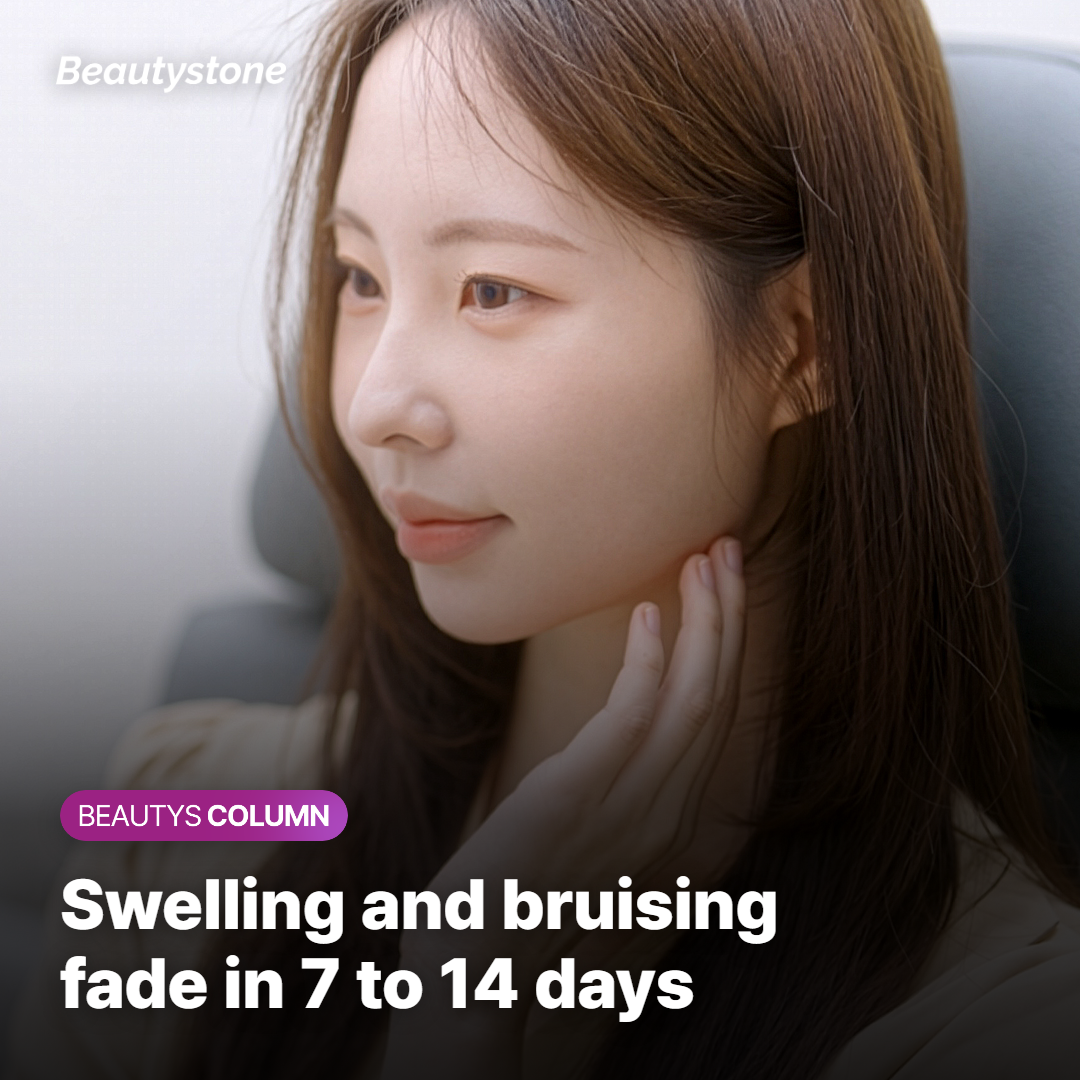
For most people, lip filler swelling goes down within about 2 weeks. After any filler injection, redness, swelling, tenderness and sometimes bruising tend to fade over 7 to 14 days*. During that stretch, a lip that looks fuller than you asked for, or one side that looks puffier, usually points to swelling first.
*Based on American Academy of Dermatology patient guidance
Lips swell more often than many other areas. In a study where 158 adults kept a 30-day diary after lip filler, 86% wrote down swelling, and in most of them it was gone within 2 weeks.
So the realistic plan looks like this: expect your lips to look their biggest in the first few days, then shrink toward the final shape over the next week or so. Individual results vary, and how fast you settle depends on your tissue and the amount injected.
The swelling you see on day 1 or 2 isn't a preview of the final result. If your lips feel tight and look a size too large, that's expected at this stage. What matters more is the direction: swelling, tenderness and bruising should look a little smaller each day, not bigger.
Lip Filler Aftercare: What to Do From Day 1 to Week 2
For the first few days, your only job is to keep swelling and bruising down. The shape check comes later. Here's how the common changes line up with what you can do, based on the patient guidance and the diary study above.
| When | What you'll often notice | What to do |
|---|---|---|
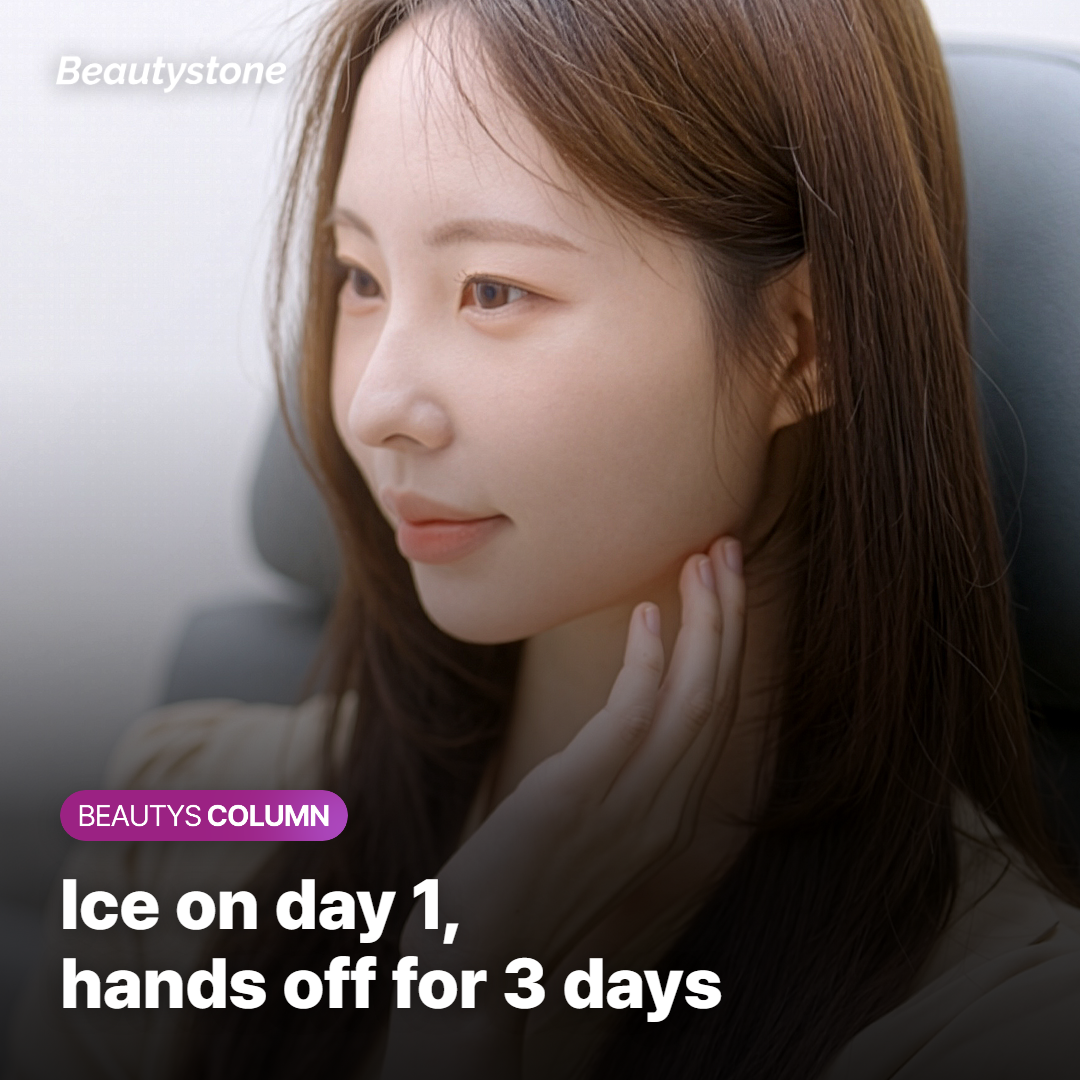
| Treatment day | Redness, swelling, tenderness | Ice for 15 to 20 minutes, hands off your lips |
| Days 1 to 3 | Swelling and bruising still visible | Keep not touching your lips; light exercise can resume the next day |
| Days 7 to 14 | Most swelling and bruising has faded | Take photos at the same angle as your "before" shots |
| 2 weeks to 1 month | Some firmness or small lumps soften slowly | Watch whether anything grows or starts to hurt |
On the day of treatment, hold a cold pack on your lips for 15 to 20 minutes at a time. Don't touch, rub or press your lips for 3 days unless you were told to massage them*. Strenuous exercise can wait until the next day, and it's smart to skip sun exposure and tanning beds while you heal.
*Based on American Academy of Dermatology patient guidance
That covers the most common search, "how long after lip filler can you work out": the next day is the usual starting point. Fortunately, a short break is all it takes. If a workout makes the swelling come back or your lips start to throb, stop for the day and let them rest. Outdoor runs in strong sun are better saved for after the swelling is down.
Lumps or Firmness After 2 Weeks: Is That Still Normal?
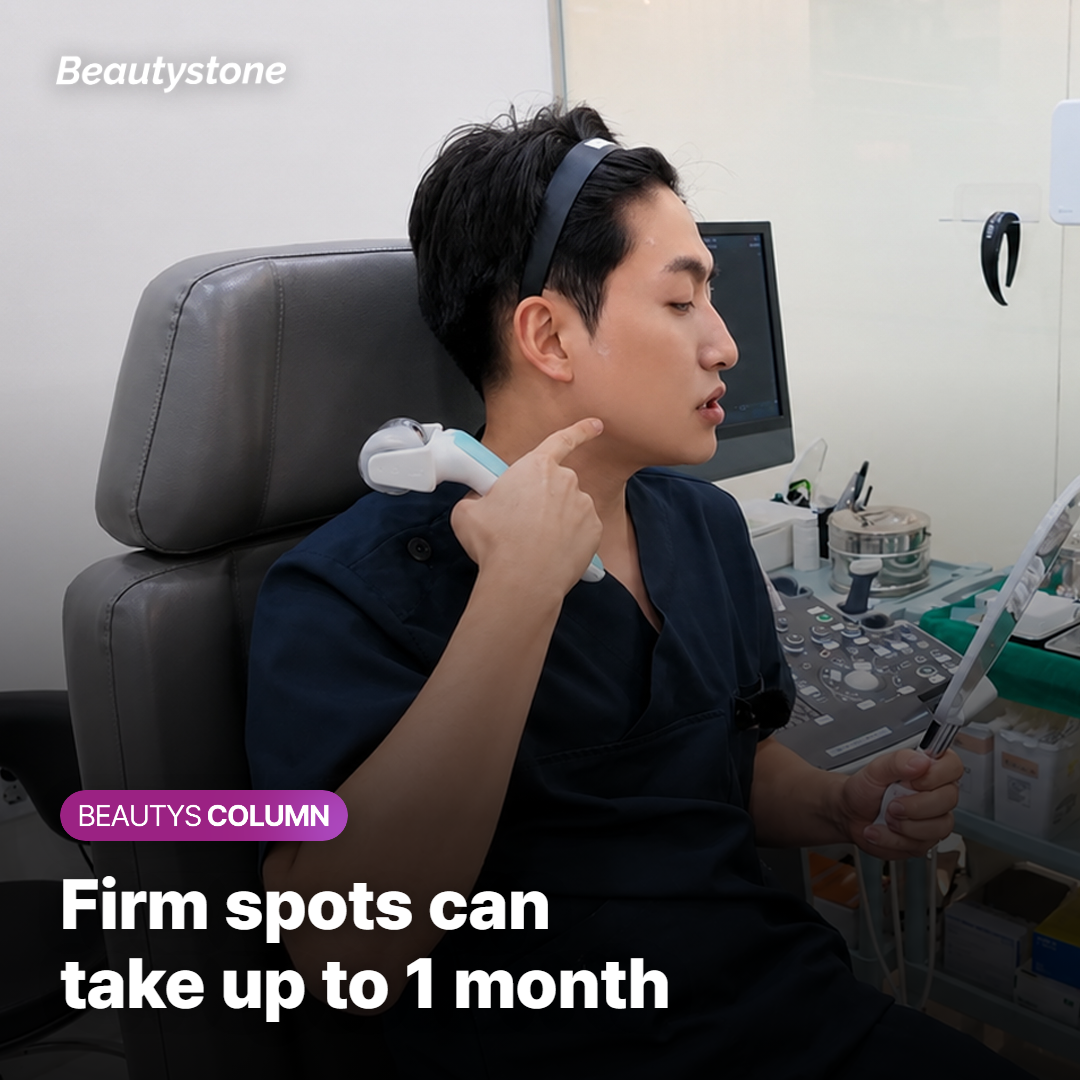
Yes, a little firmness at 2 weeks can still be normal. Swelling usually leaves first, while firmness and small lumps can take longer. In the same diary study, about 9% of swelling cleared between week 2 and the 1-month mark, so a trace of puffiness at day 14 isn't automatically a problem.
Firmness and lumps were slower still: 31% of the firmness and 21% of the lumps people reported went away between 2 weeks and 1 month. If a lump doesn't hurt and seems a little smaller each week, it's reasonable to watch it until the 1-month point.
The picture changes if the lump keeps growing, feels warm, looks red or hurts more when you press on it. Those signs call for a check rather than more waiting, because inflammation has to be ruled out first.
There's one more pattern worth knowing about. Less commonly, the filler area can swell and turn red again weeks later, after an illness such as an infection, a vaccination or dental work*. If that happens, tell the clinic the date of your filler and what happened right before the swelling returned. That makes the cause easier to sort out.
*Based on US FDA information on dermal fillers
Lip Filler Side Effects and Risks: When Swelling Needs Care Right Away
Swelling, bruising and tenderness that ease a little every day are the expected side effects. Filler getting into a blood vessel and blocking blood flow is rare, but it has been reported, and it can damage the skin, harm vision or lead to a stroke*. The signs below need medical care right away, whether they show up during treatment or days later.
*Based on US FDA information on dermal fillers
- Skin near the injection site turning white, gray or blue: get medical care right away
- Unusual pain that's different from normal tenderness: get medical care right away
- Vision changes: go to the nearest emergency room
- Sudden difficulty speaking, numbness or weakness in the face, arms or legs, difficulty walking, face drooping, severe headache, dizziness or confusion: go to the nearest emergency room
Sending the clinic a photo doesn't replace being seen in person. With any of these signs, getting care comes first.
It's also safer to postpone lip filler in these situations*:
*Based on US FDA information on dermal fillers
- A pimple, rash, hives or another active inflammation or infection on or around your lips
- Pregnancy or breastfeeding
- A tendency to form keloids or thick scars
- A bleeding disorder, or a history of severe allergic reactions
Planning Lip Filler Around a Trip to Seoul
Unless you had sedation (sleep anesthesia) that day, there's no reason to postpone your flight home after lip filler. Swelling is the part to plan around: if you need to look your usual self for an event, leave at least 2 weeks between your appointment and that date.
Lip filler is one of the treatments that can change your shape the same day, so a single visit already shows a difference. Still, the first look includes swelling, and the final result usually settles over the following 2 weeks. How much it changes differs from person to person, and no single visit can promise a specific look.
Once you're back home, you can send the clinic photos of your lips if something worries you. If the signs are severe, such as skin turning pale or pain getting worse, see a medical facility near you first.
The Bottom Line: Judge Your New Lip Shape at the 2-Week Mark
At the 2-week mark, take three photos in the same light and at the same angle as your "before" shots: lips closed from the front, a side profile and a slight smile. Those three make it easier to see thickness and left-right balance. If you compare against a photo taken while you were still swollen, your lips will look like they shrank, and you may want more filler than you actually need.
Use those photos to look at one thing first: the balance between your upper and lower lip. Once the swelling is gone, that ratio tells you whether adding, removing or simply waiting makes the most sense.
A good question to bring to your follow-up is "Is what I'm seeing leftover swelling, or the shape itself?" If you're planning a visit to Beautystone, a clinic in Seoul's Hapjeong area, your 2-week photos are the most useful thing to share.
References
- How long redness, swelling and bruising last after fillers, plus aftercare, American Academy of Dermatology (AAD)
- Common filler side effects, delayed swelling, blood vessel warning signs and when to postpone, US FDA
- A 30-day diary of swelling and firmness after lip filler, Clin Cosmet Investig Dermatol, 2022
Frequently Asked Questions
Q. How long should I wait between lip filler and a big event?
A. Leave at least 2 weeks between lip filler and an event where photos matter, because swelling and bruising usually take 7 to 14 days to clear. If the event is less than 2 weeks away, it's often better to book the filler after it.
Q. Can I massage my lips to bring the swelling down faster?
A. Don't massage your lips to bring the swelling down unless you were told to. For the first 3 days, it's best not to touch, rub or press the treated area. If you feel a small lump, take a photo and check it again at the 2-week mark instead of pressing on it.
Q. One side of my lips is more swollen. Does that mean the filler is uneven?
A. One side swelling more than the other doesn't mean the filler is uneven, at least not before 2 weeks. Compare the two sides once the swelling is gone, using photos at the same angle as your before shots. If one side keeps getting bigger, feels hot or hurts, reach out right away.
Q. Can I get lip filler if I have a pimple or a blister near my lips?
A. If you have a pimple, a blister, a rash or another active inflammation or infection on or near your lips, it's safer to postpone lip filler until it has cleared. If you often get blisters on your lips, mention it before the appointment.
Q. My lips got smaller as the swelling went down. Did the filler dissolve?
A. When your lips look smaller as swelling goes down, that's usually the swelling leaving, not the filler dissolving. That's why the fair comparison is your before photo against a photo taken 2 weeks later, not against a photo from the first few days.
Q. Is ice or heat better for lip filler swelling?
A. Ice is the standard choice for lip filler swelling on treatment day, applied for 15 to 20 minutes at a time to ease redness and swelling. Wrap the cold pack so it isn't directly on your skin, and keep your hands off your lips while you do it.