

Hair Grew Back After 6 Sessions? 4 Things to Check
How to read your own result before booking another round


What you'll learn

  · A working course doesn't mean zero hair. It means thinner hair and a longer gap between shaves.
  · Regrowth usually traces to one of four causes: partial follicle damage, surviving follicles, new hormone-driven follicles, or a wavelength that never reached deep enough.
  · Alexandrite (755nm) absorbs surface melanin well; Nd:YAG (1064nm) absorbs less but travels deeper. Depth and skin tone decide which one your area needs.
  · White, gray and very light blonde hair has no melanin for the laser to target, so the realistic goal changes.
You finished six sessions, the underarms stayed quiet, and then hair turned up on the chin again a year later. The first thought is always the same one: did this actually work, or did I pay for nothing?
Regrowth on its own doesn't answer that question. What answers it is how the hair came back — how thick, how fast, and where. We'll cover what a working result actually looks like session by session, the four things regrowth usually points to, why two wavelengths give two different outcomes, and what should be changing in the room between your sessions.
What a Working Result Looks Like, Session by Session
Working doesn't mean every follicle in the area goes silent forever. It means two measurable things: the hair gets thinner, and the gap between shaves gets longer. If you used to shave weekly and now you go three or four weeks with finer, sparser regrowth, that is usually read as more than half the follicles in that area having lost the stem cells that regrow hair.
The mechanism is narrow. The laser targets melanin (the pigment inside the hair shaft and follicle) and converts that light into heat, which damages the bulge — the pocket of stem cells partway down the follicle that decides whether a new hair is produced at all. Shaving and waxing only deal with what is already above the skin. IPL and home devices spread a broader, less targeted light; a medical laser delivers one calibrated wavelength that reaches deeper and more precisely.
Results build in a sequence rather than arriving at once, and the pace differs by area, by hair density and by hair type. As a rough anchor, six to ten sessions is commonly where density has roughly halved, so hair still there after six is nearer the middle of a course than the end of one. Coarse, dense zones such as a beard run well past that number before they finish.
| Sessions | What usually changes first | What you notice |
|---|---|---|
| 1-2 | Growth cycle slows | Shaving stretches from every few days to one or two weeks |
| 3-4 | Density starts dropping | Underarms and bikini respond faster than fine facial hair |
| 5-6 | Remaining hair thins out | Fine, sparse regrowth that is easy to ignore |
| 7-8+ | Stubborn and hormonal areas | Chin, upper lip, or a touch-up a year or more later |

4 Reasons Hair Comes Back After a Full Course
Regrowth is not one phenomenon. Sort yours into one of these four before deciding the treatment failed, because three of them have a straightforward next step and only one is really a mismatch.
- Partial bulge damage: some stem cells survived, so the follicle still produces a hair — thinner, finer, on a longer cycle. Different from a follicle that never changed.
- Surviving follicles: a smaller group in the same area that has not been hit effectively yet, and that usually needs another round or two rather than a new plan.
- New follicles: hormone-sensitive zones such as the chin and upper lip can switch on follicles that were dormant during your original course. That is a different follicle population, not a relapse of the treated one.
- Depth mismatch: the energy was absorbed near the surface and never fully reached the bulge. Underarm and bikini follicles sit deeper, which is exactly where this shows up.
The distinction that matters clinically is between a follicle that was fully disabled and one that was only wounded. Once enough of the stem cells in the bulge are destroyed, that follicle does not produce a new shaft again — not in a few months and not in a few decades. A partly damaged follicle keeps going quietly, which is why so many people land in the middle ground of finer, slower hair and read it as failure.
So the check is never a single yes-or-no glance at whether hair appeared. It is density and regrowth speed, compared against where you started.
Alexandrite or Nd:YAG: Which One Reaches Your Follicles
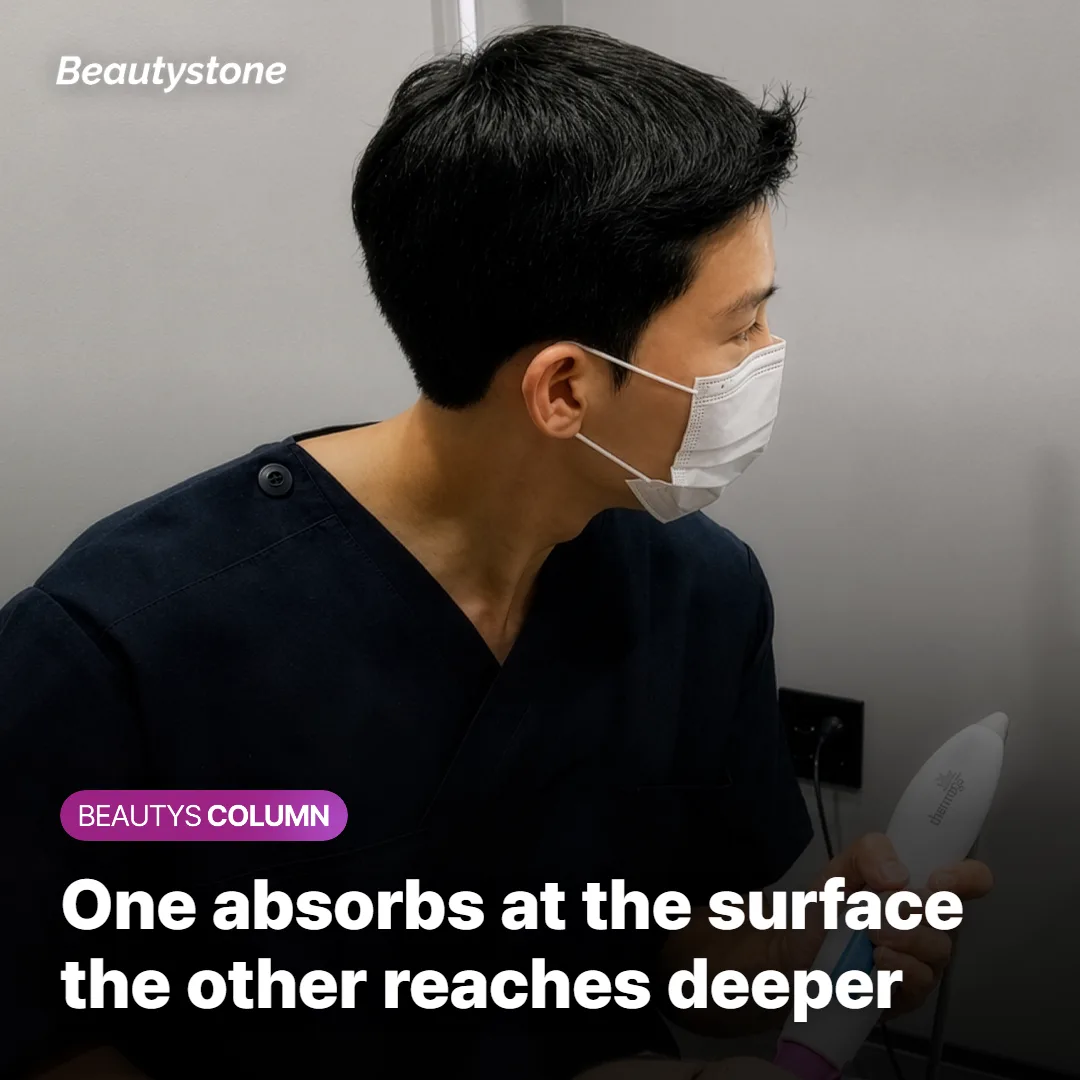
Two wavelengths do most of the work, and they have different jobs rather than different quality levels. One is better at being absorbed; the other is better at arriving.
| Alexandrite (755nm) | Nd:YAG (1064nm) | |
|---|---|---|
| Melanin absorption | Higher — very effective on surface-level melanin | Lower, but reaches deeper tissue |
| Best suited to | Lighter skin tones, finer or lighter hair | Deeper or coarser follicles, darker skin tones |
| Typical areas | Face, arms, general body hair | Underarms, bikini line, coarse leg hair |
This is why two people can finish the same number of sessions and walk out with different results. If your follicles sit deeper — common in the underarm and bikini area — a wavelength tuned for surface melanin may simply not reach far enough to damage the bulge properly. Switching to a deeper-penetrating wavelength, or combining the two, usually closes that gap.
A dual-wavelength platform switches between the two on the same handpiece, so skin tone, hair thickness and follicle depth can be matched area by area inside one treatment plan instead of running every region on a single setting. That is the practical reason to ask which wavelength was used on which area, rather than only asking how many sessions are left.
Side Effects First, Then Who This Doesn't Suit
Downtime before results, because that is the part people are not warned about often enough. Redness, mild swelling and a light-sunburn sensation are common straight after a session and usually settle within a few hours to a couple of days.
Less common but possible: temporary pigment changes, either lighter or darker patches. Risk is higher on tanned or deeper skin tones treated with a poorly matched wavelength or setting, which is one more reason wavelength selection and a provider used to a range of skin tones both matter. Sun exposure before and after a session raises that risk, so daily sunscreen is non-negotiable through a course.
- Expected: redness, mild swelling, warmth, settling within hours to a couple of days.
- Watch: patchy lightening or darkening, especially on tanned or deeper skin tones.
- Contact your provider right away: blistering, pain that worsens instead of fading, or spreading redness and fever.
There are also people for whom the tool is the wrong fit regardless of session count. White, gray and very light blonde hair lacks the melanin the laser needs as a target, so results in those cases are typically limited. Hormonal conditions such as polycystic ovary syndrome (PCOS) can keep activating new follicles, which shifts the realistic goal from no hair to meaningfully reduced, manageable growth. Individual results vary, and that is worth settling before the first session rather than after the sixth.
The Bottom Line: What Should Change Between Sessions
There is one more thing worth naming, and it is the reason the four causes above can be told apart at all. If nobody recorded which wavelength was used on which area, at what output, and how your skin reacted, then regrowth a year later cannot be sorted into partial bulge damage, surviving follicles, new hormone-driven follicles or a depth mismatch. Without that sorting, the next course repeats the setup that produced the result you were unhappy with, and the answer to what should change between sessions is simply unavailable.
- Regrowth a year out doesn't automatically mean failure — density and shave interval are the better readings.
- Once enough bulge stem cells are destroyed, that follicle typically won't produce hair again.
- Wavelength choice decides how deep the energy lands, which is why results differ by area and skin tone.
- Hormone-sensitive areas may need a light maintenance session every year or two, not a whole new course.
Like any procedure it comes with trade-offs, and how far to take a course depends on your hair color, your skin tone, your hormones and your budget. If you're trying to make sense of a previous course, bring what you know about the settings that were used — that is the fastest read on whether the plan or the wavelength needs changing. Beautystone is a dermatology clinic in the Hapjeong area of Seoul, and current offers are listed at /en/promotion. — Dr. Kim Kaeul (Medical Director)
Frequently Asked Questions
How soon should I notice anything after starting?
The first change is usually the gap between shaves rather than a visible drop in density. Most people find that gap stretching from every few days to one or two weeks after the first or second session, with a visible thinning showing up around the third or fourth. Facial hair generally moves slower than underarm or bikini hair.
My underarms cleared but my upper lip didn't. Why the difference?
Two reasons usually. Upper-lip and chin hair is finer, so there's less melanin for the laser to absorb, and both are hormone-sensitive zones where new follicles can switch on after the original course. Underarm follicles are coarser and respond more directly. It's a difference in the hair, not a difference in effort.
Can the wavelength be changed partway through a course?
Yes, and on a dual-wavelength platform it can be changed area by area within the same session. If an area with deeper follicles is lagging while the rest of the plan is on track, moving that area to a deeper-penetrating wavelength is a normal adjustment rather than starting over.
Is a maintenance session the same as starting the course again?
No. A maintenance session is aimed at newly activated follicles in a hormone-sensitive area, so it's typically a single light round every year or two rather than a full new sequence. If an entire treated area has returned to its original density, that's a different conversation and worth having in person.


