
Juvelook Volume or Filler? 2 Real Differences
Filling and lifting are not the same job. Here is where restored volume starts to read as a lift, where it stops, and how to tell which side of that line your face is on.

Wi Young-jin
Chief Director & CEO, Myeongdong

Here is the short answer first. Juvelook Volume can make parts of a face look lifted, but it is not a lifting treatment. It is a collagen-inducing volumizer built on PDLLA (poly-D,L-lactic acid), usually blended with a small amount of hyaluronic acid, and what it does is put substance back underneath. When your sagging is really deflation, meaning a fold that got deeper because the ground behind it dropped, restoring that ground reads as a lift. When the tissue itself has travelled downward, volume alone will not carry it back up.
That distinction is the entire decision, and most write-ups skip it. So this is not another list of what the product is made of. It is a boundary map: the two kinds of sagging that soften when volume comes back, the one kind that does not, and the questions that tell you which is doing the damage in your face. One note first: Juvelook Volume is not FDA-approved in the United States and is used in Korea under MFDS authorization. Everything below is general information rather than a diagnosis, and individual results vary.
Deflation or Descent? The Two Sags That Look Alike
Most people describe the same thing at a mirror: the lower face looks heavier than it did five years ago. Underneath that one complaint sit two different mechanics, and they answer to different treatments.
Deflation is loss of substance. Fat pads thin out, some bone resorption happens with age, and the midface flattens. Nothing has moved anywhere. There is simply less behind the skin than there used to be. The fold beside your nose looks deeper because the cheek above it is no longer catching light the way it did.
Descent is movement. Tissue has physically travelled down from where it used to sit. The volume may still be present; it is just in a lower position than you want it. That is the sag that gathers along the jawline and blunts the outline of the lower face.
Most faces carry some of both. So the useful question is which one is doing most of the work in the feature that bothers you, because that decides whether a volumizer is the right tool at all.
| What you notice | Usually deflation | Usually descent |
|---|---|---|
| Where it shows | Temples, upper cheeks, flat midface, the fold beside the nose | Jawline, the outline of the lower face, the corners of the mouth |
| What the problem is made of | Shadow and flatness | A changed outline |
| How overhead light reads | Harsher, because hollows deepen | Roughly the same; the silhouette is the issue |
| What tends to help | Rebuilding volume underneath | Repositioning or tightening the support layers |
| Is Juvelook Volume the tool | Often yes, in broad areas | No, not on its own |
Treat that table as a rough sort rather than a diagnosis. Skin thickness, bone structure and the way you have aged all blur the line, which is why an in-person assessment settles it. What it does do is stop you from walking into a consultation asking for a product when the honest question is which of the two problems you have.

2 Kinds of Sag Juvelook Volume Can Soften
Both of the following are deflation wearing a sagging costume. Put back what is missing underneath and the sag reads better, not because anything was pulled upward, but because the hollow it was falling into is no longer there.
Sag 1 is the shadow fold over a hollow cheek or temple. Once the midface goes flat, the crease beside the nose stops being a crease and starts being the edge of a hollow. Rebuilding the area behind it softens the fold without anyone touching the fold itself. This is the terrain Juvelook Volume was built for: broad areas of volume loss such as temples, cheeks and the forehead, where HA filler can feel lumpy or overly firm because the skin is thin and the area is wide.
Sag 2 is skin that reads slack over an area that has deflated. Here the mechanism matters. Once injected, the PDLLA microparticles break down gradually and signal your fibroblasts to synthesise new type I and type III collagen right where they sit. The support is grown rather than added, which is why the change is not immediate. When the layer underneath regains substance, the skin over it has less slack to fall into, and because the new volume is your own collagen rather than an injected gel, many patients describe less of that telltale filler feel.
- Where it tends to do its best work: broad areas of volume loss, particularly temples, cheeks and the forehead.
- Where it does not: precise sculpted definition such as the nose tip, chin tip or lip border, which stays HA filler territory.
- What the result feels like: closer to natural tissue than a gel sitting in place, because the volume is collagen your own skin built.
- How long it tends to hold: roughly 12 to 24 months, against roughly 6 to 12 months for HA filler, though this varies by person.
- Who tends to be happiest with it: people whose complaint is a flat, hollow or tired-looking midface rather than a heavy jawline.
None of this is a lift in the mechanical sense. Nothing is repositioned. What changes is the shape of the surface that light falls on, and in a face whose problem was deflation all along, that reads as lifted to almost everyone, including you. The honest word for the result is restored rather than raised.
People also land here tired of topping up filler every six to twelve months, or after an overfilled result elsewhere. Both are fair reasons, but neither changes the boundary in the next section.
The 1 It Can't: Sag That Has Already Dropped
The sag Juvelook Volume cannot fix is the one that has already moved. When tissue has descended, the shape you want is not missing. It is present, sitting lower than it used to. Putting substance underneath a structure that has travelled downward does not carry it back to where it started; it adds substance to its new address.
This is where the most expensive mistake in the category happens, and it is a mistake of logic rather than of product: a little volume improved the midface, so more volume should lift the jawline. It does not work that way, and the attempt has a specific cost. Overfilling, or injecting into the wrong tissue plane, can leave firm nodules under the skin. Unlike HA filler, Juvelook Volume cannot be dissolved with hyaluronidase, so a result you dislike is a result you wait out.
- Your main complaint is the outline of the lower face rather than a shadow or a hollow area.
- Photographs from several years ago show the same fullness you have now, only sitting in a higher position.
- You keep asking whether a bit more product would finally do it, session after session.
- You want the change to be visible next week, which no collagen-induction treatment can promise.
- You want precise sculpting of a specific edge, such as the chin tip or the lip border, rather than broad restoration.
If two or more of those describe you, volume is being asked to do a lifting job. What answers descent is a different category of treatment aimed at the support layers rather than the space beneath them, and choosing between those options is a separate conversation with someone who has assessed your face in person. This article will not pretend to pick one for you.
The outcome of that consultation is often neither one nor the other. Many faces have a deflated midface and a descended lower face at once, and the sensible plan treats them as two problems with two answers rather than asking one product to cover both. That is also what protects you from the overfilling route, because volume is then only asked to do what volume can do. Individual results vary.
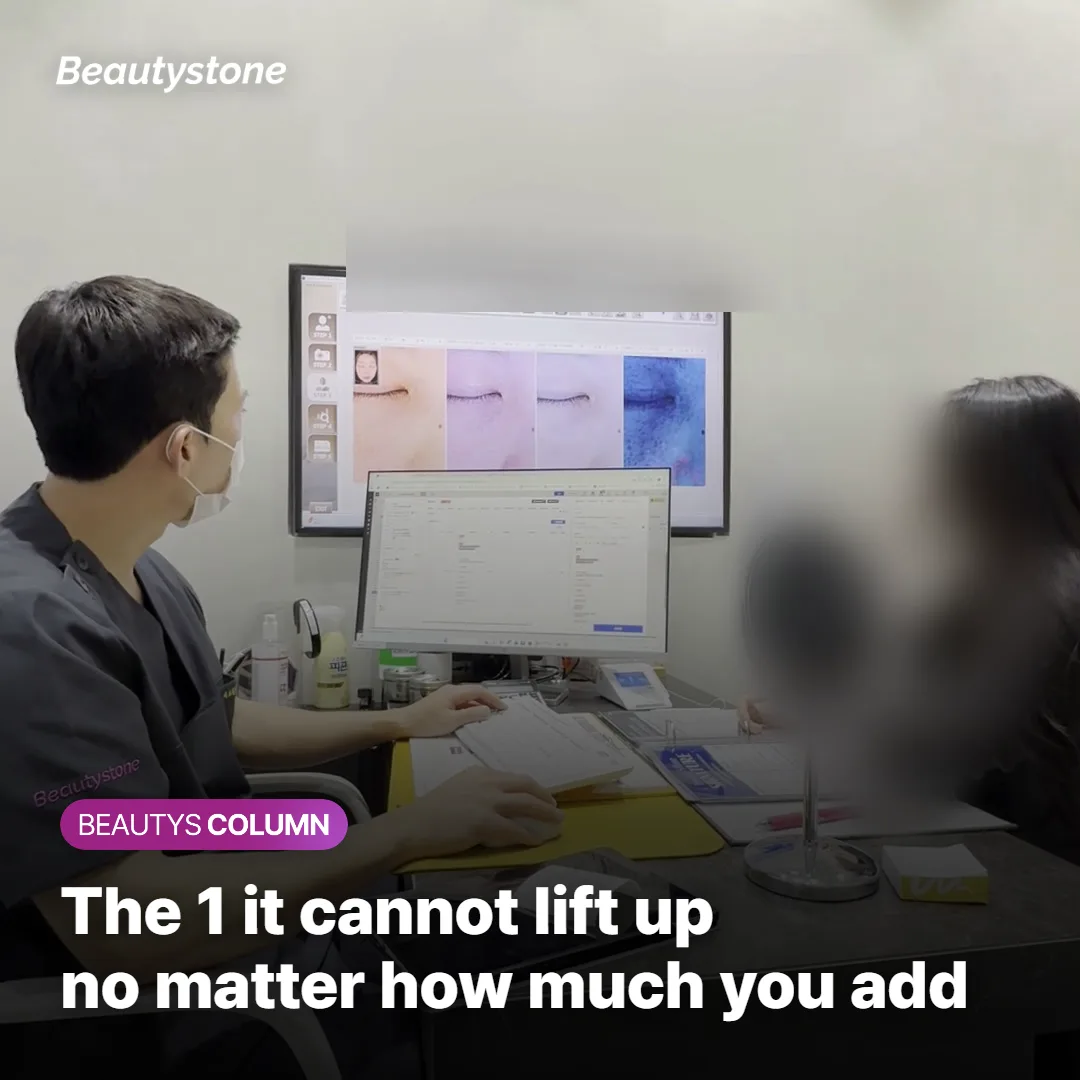
The Lift You See at Day 3, Week 12, and Month 12
Half the confusion about whether Juvelook Volume lifts comes from judging it on the wrong day. The product arrives as a powder and is reconstituted with an HA solvent right before injection, so there is hyaluronic acid in the mix from the start. Add normal swelling and the face you see on day one looks better than the treatment has yet earned. Both effects fade, and if you did not know they were temporary, that fade feels like failure.
| When | What you see | What it means |
|---|---|---|
| Day 1 to 3 | Mild swelling and a slightly uneven or bumpy feel at the injection sites | The particles are settling. This is not your result |
| About 1 week | Swelling and unevenness typically resolve on their own | The temporary lift leaves with them. Baseline, not failure |
| Weeks 4 to 12 | Volume builds gradually as new collagen forms | The actual change, and the point at which the question is answerable |
| Months 12 to 24 | Most patients see results hold in this range | Varies by individual, by area and by how much was used |
Dose and course matter as much as the calendar. Most people need one to three sessions spaced four to six weeks apart, with a noticeably better result usually showing by the second. Judging the whole approach two weeks after a single session is judging almost nothing, which is exactly when many people decide it did not lift anything.
The appointment takes about thirty minutes with numbing cream beforehand. The detail worth knowing is the mixing ratio, because it decides how thick the product is and how far it spreads: a thinner mix in shallow zones such as the temples, a thicker, more concentrated mix where more lift is wanted, such as the cheeks. That choice is where technique shows, and it is fair to ask about.
- For the first week, skip saunas, intense workouts and alcohol, essentially anything that drives inflammation or blood flow into the treated area.
- Swelling, bruising and a bumpy texture at the injection sites are the common effects and usually settle within one to two weeks.
- Spreading redness, increasing pain or any sign of infection at an injection site means contacting your provider right away, or seeking urgent care if you cannot reach them.
- Because the product cannot be dissolved, injection depth and total volume matter more here than with HA filler, which is a provider-experience question rather than a product question.
- If you were treated away from home, arrange local follow-up where you live. A clinic in another country cannot assess a delayed reaction in person.
Put the timeline and the boundary together and the picture is straightforward. If your sagging was deflation, the improvement you are waiting for arrives somewhere between week four and week twelve and holds for a year or more. If your sagging was descent, waiting twelve weeks will not change the answer, and a second session will not change it either.
Before You Book: 5 Questions That Settle Volume or Lift
The most useful thing you can bring to a consultation is not a product name. It is the question in a form the clinician can actually answer, feature by feature, in front of a mirror. These five do that work.
- Looking at my face specifically, which part of what bothers me is deflation and which part has moved? Ask for it area by area rather than as one verdict.
- If volume is the right answer for some of it, which areas, and roughly how much across the whole course rather than just today's session?
- What on my face would you not treat with volume, and what would you suggest for it instead? An honest answer here tells you more than any before-and-after gallery.
- Given that this cannot be dissolved, what is the plan if I am unhappy at week twelve, and how do you decide the depth and the amount for someone with my skin thickness?
- What should look different at week twelve rather than next week, and how will we compare it, in the same light and the same position?
On cost, we are deliberately not quoting a figure. Pricing depends on how much product is used and how many areas are treated, so it varies clinic to clinic. What you can do is ask for the total across the full one to three sessions rather than a per-session number, then weigh that against how often you would otherwise be topping up. Because results tend to hold roughly twice as long as HA filler, the arithmetic over a couple of years often differs from the arithmetic on the day.
Beautystone is a dermatology clinic in Seoul's Hapjeong area, and the reason we wrote this piece around a boundary rather than a product is that the boundary is where most disappointment is created. We would rather talk someone out of a volumizer for a jawline complaint than sell it into the wrong problem, because a result that cannot be dissolved is a poor place to discover the tool was mismatched.
So, the short version once more. Juvelook Volume rebuilds support with your own collagen, softens the two kinds of sagging that came from lost support, and does not raise tissue that has already dropped. Settle that first and everything else, including whether it is worth the money, becomes an easy conversation. This article is general information rather than medical advice, individual results vary, and anything specific to your face belongs in an assessment with a qualified provider.
Frequently Asked Questions
Will the fold beside my nose look lifted after Juvelook Volume?
Often it looks softer, and whether that reads as lifted depends on why the fold is deep. If it deepened because the cheek above it went hollow, rebuilding that area reduces the shadow and the fold looks less pronounced, without anything being pulled upward. If the fold is deep because tissue around the mouth has descended, added volume changes the lighting more than the outline. Results vary, and the change builds over four to twelve weeks.
How soon can I actually tell whether it lifted anything?
Around week twelve, and not before. The small improvement in the first day or two comes from the hyaluronic acid the powder is reconstituted with, plus normal swelling, and both fade within about a week. Volume then builds as new collagen forms between weeks four and twelve, which is the fair point to judge. Most people also need one to three sessions spaced four to six weeks apart, with a clearer result by the second, so a verdict at two weeks is premature.
Can Juvelook Volume replace a lifting procedure for a heavy jawline?
No. Volume restores substance where substance was lost; it does not reposition tissue that has already travelled downward, which is what a heavy jawline usually is. Adding more product to chase that effect is the route to overfilling, and because Juvelook Volume cannot be dissolved with hyaluronidase, an overfilled result has to break down naturally. If the outline of your lower face is the main complaint, ask about treatments aimed at the support layers instead, and treat midface deflation as a separate question.
My skin looks slack but not hollow. Is regular Juvelook enough for that?
Possibly, because the two are aimed at different jobs. Regular Juvelook is generally used as a skin booster for texture and elasticity, while Juvelook Volume carries a higher concentration of PDLLA and is formulated to build noticeable volume. If nothing has deflated and the complaint is really surface quality, the volumizer is not automatically the better pick. If the slackness sits over an area that has clearly lost substance, volume is usually what has to be solved first.