Eye Botox Side Effects: What's Normal in Week 1?
The treatment takes minutes, but the days after are what protect your results. Here's what to avoid in the first 24 hours and how to ease back into exercise, skincare, and sun exposure over the week that follows.

One of the most common questions we hear after eye-area Botox is simple: what am I allowed to do for the next 24 hours—and the week after that? The treatment itself takes just a few minutes, but the days that follow are what actually protect your results.
The skin around your eyes is thinner than most other treatment areas, and the muscles sit close to the surface, so aftercare habits matter a little more here than they do for, say, your forehead. The short answer: be extra careful for the first 24 hours, then ease back into your normal routine over the following week. In this article, we'll cover what to skip immediately after treatment, how to handle exercise, saunas, and skincare over the next seven days, and which symptoms are normal versus signs you should call your provider.
How Botox Settles In: The First 24 Hours
Botox works by temporarily blocking the nerve signals that tell a muscle to contract. Right after injection, the solution needs time to bind to the nerve endings in the exact muscle it was aimed at — around the orbicularis oculi, the ring-shaped muscle that circles your eye and creates those fine lines when you smile or squint.
During the first 24 hours, anything that pushes the solution toward a different muscle group can affect how evenly your results settle in. That's why providers are strict about this window even though it feels like a short amount of time.
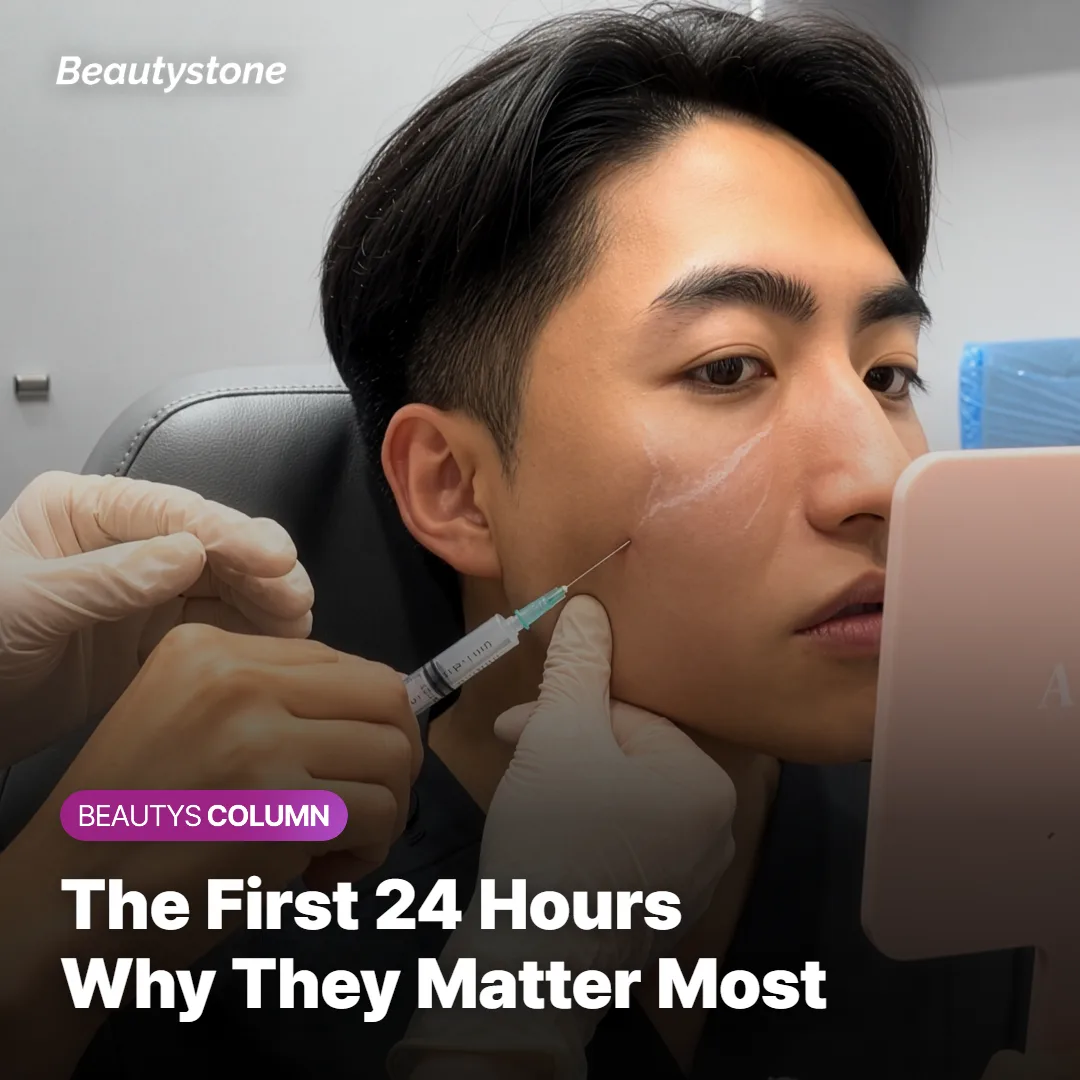
Here's what to avoid for the first 24 hours:
- Massage or pressure on the treated area: This includes rubbing off eye makeup, scrubbing with a foaming cleanser, or pressing on the spot where your glasses usually sit.
- Bending your head forward for long stretches: Washing your hair over a sink, tying your shoes, or resting your forehead on a desk all count.
- Strenuous exercise, running, or weightlifting: A spike in blood flow can change how the solution spreads.
- Saunas, steam rooms, hot showers, or hot baths: Heat and increased circulation go hand in hand — best to skip both for a day.
- Alcohol: It tends to raise your odds of bruising and swelling.
For the first four hours specifically, try to stay upright — sitting or standing rather than lying down. Lying flat too soon is one of the more common reasons results end up slightly uneven, since gravity and pressure can nudge the solution before it's had time to settle.
Week One: Easing Back Into Your Routine
Once the first 24 hours are behind you, most daily activities are fine again. That said, ramping back up to full intensity all at once isn't the move — a gradual return over the week tends to be the safer bet.
Here's a rough timeline for common activities:
- Light walking: Fine right away, even on day one.
- Strenuous exercise or weightlifting: Skip it for 24 hours, ease in lightly on day two or three, then return to your normal intensity by day four to seven.
- Sauna or steam room: Hold off until day five to seven.
- Hot showers: Keep it lukewarm for the first couple of days, then back to normal.
- Massaging the eye area: Wait a full week before any pressure or rolling near your eyes.
- Alcohol: A small amount is usually fine by day two or three; back to normal from day four on.
Your facial expressions themselves don't need any special treatment — go ahead and smile, squint, and make your usual expressions. Some older advice suggested deliberately exercising the treated muscles to help the solution settle, but that idea has mostly fallen out of favor. Normal, everyday expressions are enough.
Pain Relief That Won't Increase Bruising
If you need something for mild soreness during recovery, acetaminophen is generally considered one of the safer options, since it doesn't thin the blood the way some other pain relievers do. Aspirin and ibuprofen, on the other hand, are worth avoiding for the first day or two, since they can raise your risk of bruising at the injection sites.
If you take either of those medications regularly for another condition, don't stop them on your own — check with the provider who prescribed them first.
Skincare and Sun Protection While You Heal
The skin around your eyes is thin, which makes it more sensitive to both sun exposure and dryness than most other areas of your face. For the first day or two, keeping your skincare routine simple — and your sun protection more diligent than usual — tends to pay off.
- Sunscreen: Start again the day after treatment. Apply it around the eye area too, and reapply every two to three hours if you're outside.
- Makeup: Usually fine starting the next day. If the area still feels irritated, hold off on eye makeup specifically for another day or two.
- Cleansing: Pat, don't rub, especially near the treated area.
- Eye cream or serum: Stick to gentle, hydrating formulas. Give retinol and acid-based products (like AHAs or BHAs) about a week off.
- Facial rollers or gua sha: Wait a full week, then start light.
- Eyelash extensions or lash lifts: These involve direct contact with the treated area, so a one- to two-week wait is the safer call.
Even if you're used to a stronger routine, giving your skin a short break helps it recover without extra irritation layered on top. And since Botox only addresses expression lines — not the sun damage that keeps accumulating in the background — staying consistent with sunscreen is what actually protects your results long-term.
Side Effects: Common Reactions vs. Red Flags
Between day one and day seven, a handful of mild reactions are common, and most resolve on their own without any treatment.
- Mild redness or stinging at the injection site: Usually gone within a few hours to a day.
- Light bruising: Can last three to ten days; concealer covers it easily in the meantime.
- A slightly heavy feeling in the eyelid: Typically eases up within two to three days.
- Expressions that feel a little unfamiliar: This adjustment period usually smooths out within three to seven days.
A few symptoms, though, are worth a call to your provider:
- One eyelid drooping, or noticeable asymmetry between your eyes — this can be a sign of ptosis, and while it's uncomfortable, it typically resolves on its own within two to six weeks.
- Blurred or double vision — contact your provider right away.
- Swelling that hasn't gone down after two weeks.
- Pain at the injection site that keeps getting worse instead of better.
- High fever, spreading redness, or noticeable warmth at the site — these can point to infection.
- Any trouble swallowing, speaking, or breathing — this is rare with cosmetic doses, but if it happens, seek medical care right away.
That last item is genuinely uncommon at the doses used for eye-area treatment, but it's worth knowing about — being aware of it upfront tends to ease anxiety rather than add to it.
How Long Do Results Last?
Most people start noticing a difference around day three to seven after treatment, with results settling into their final look by around the two-week mark. From there, duration varies quite a bit person to person, but three to four months is a typical range as the connection between nerve and muscle gradually rebuilds itself.
A few habits can help you get the most out of that window — consistent sunscreen use is one, and paying attention to habits like unconsciously furrowing your brow is another. Timing your next appointment is a bit of a balancing act too: book too early and you're paying for treatment you don't need yet; wait too long and you're starting from deeper lines than if you'd kept a more regular schedule. Most people find their rhythm by paying attention to how quickly their own expressions start to return.
This article covers general information only — your own candidacy and recovery plan are worth discussing directly with the provider who treated you.
The Bottom Line
Eye-area Botox aftercare really comes down to two windows: the first 24 hours, when you're protecting how evenly the solution settles, and the week that follows, when you're gradually easing back into your normal routine. Skip the massage, heat, and strenuous exercise on day one, ease back in over the next several days, and keep an eye out for the handful of red-flag symptoms that are worth a call to your provider.
Like any procedure, it comes with some trade-offs — mild bruising and a short adjustment period are part of the deal for most people. Ultimately, the choice of when to book your next appointment depends on your own skin, your goals, and how quickly your results tend to fade.
If you're considering Botox for your eye area, a consultation is the best way to find out what fits you. Beautystone is a dermatology clinic in Seoul's Hapjeong neighborhood — see current offers at /en/promotion.
Frequently Asked Questions
Q1. Can I wash my hair the same day I get eye-area Botox?
Yes, you can. Just try to avoid bending your head forward for long stretches during the first four hours — a quick wash with lukewarm water works better than leaning over the sink. Skip firm scalp massage near your hairline, and let your hair air-dry or use the cool setting on your blow-dryer for extra peace of mind.
Q2. Is there anything that helps bruising fade faster?
A gentle, light cold compress within the first 24 hours can help — just don't press down hard. After that, some people ask their provider about vitamin K cream or arnica gel, though results vary. Most mild bruising fades on its own within five to ten days regardless.
Q3. Is a heavy feeling in my eyelid normal after Botox?
It's a common reaction in the first two to three days as the treatment settles in, and it usually resolves within about a week. That said, if one eyelid looks noticeably droopy or your vision feels affected, reach out to your provider — it could be a sign of ptosis, which is temporary but worth checking.
Q4. When can I get Botox again after this treatment?
Most people return every three to four months, though the exact timing depends on how quickly your own results fade. Booking too early adds cost without much benefit, and waiting too long means starting from more pronounced lines. Your provider can help you find a schedule based on how your expressions look as the effect wears off.