

InMode FX Side Effects: What Doctors Watch For
With InMode FX, mild swelling, redness, and light bruising are expected and short-lived. The side effect worth real attention is cheek hollowing, and it comes down to how energy is dialed in under thin-skinned areas like the cheekbone.

If you've been reading up on InMode FX and landed on a forum thread about someone's cheeks looking "sunken" a month later, you're not alone in wondering what's normal and what isn't.
Most of what people worry about beforehand — the heat, the redness, a little swelling — settles down within days. The side effect that actually deserves your attention is different, and it's rarely the first thing patients ask about.
In this article, we'll cover how InMode FX works, what a normal recovery looks like, why cheek hollowing happens in a small number of cases, and how a provider's energy settings — not just the number of sessions — determine whether you end up with a sharper jawline or a sunken one.
What Is InMode FX, and Why Do People Get It?
InMode FX is a bipolar radiofrequency (RF) device used for facial contouring, most often around the jawline, chin, and lower cheeks. It's marketed as a non-surgical option for people who want tighter skin and a more defined lower face without downtime.
What sets it apart from a general-purpose RF platform like Thermage is the depth control: energy passes in a short, focused path between two electrodes, which lets a provider target subcutaneous fat and deeper dermis at the same time, rather than just heating the skin's surface.
That's the appeal, and also the catch. A device built to reduce fat can do exactly that in the wrong place, which is where this article is headed.
How InMode FX Works on Fat and Skin
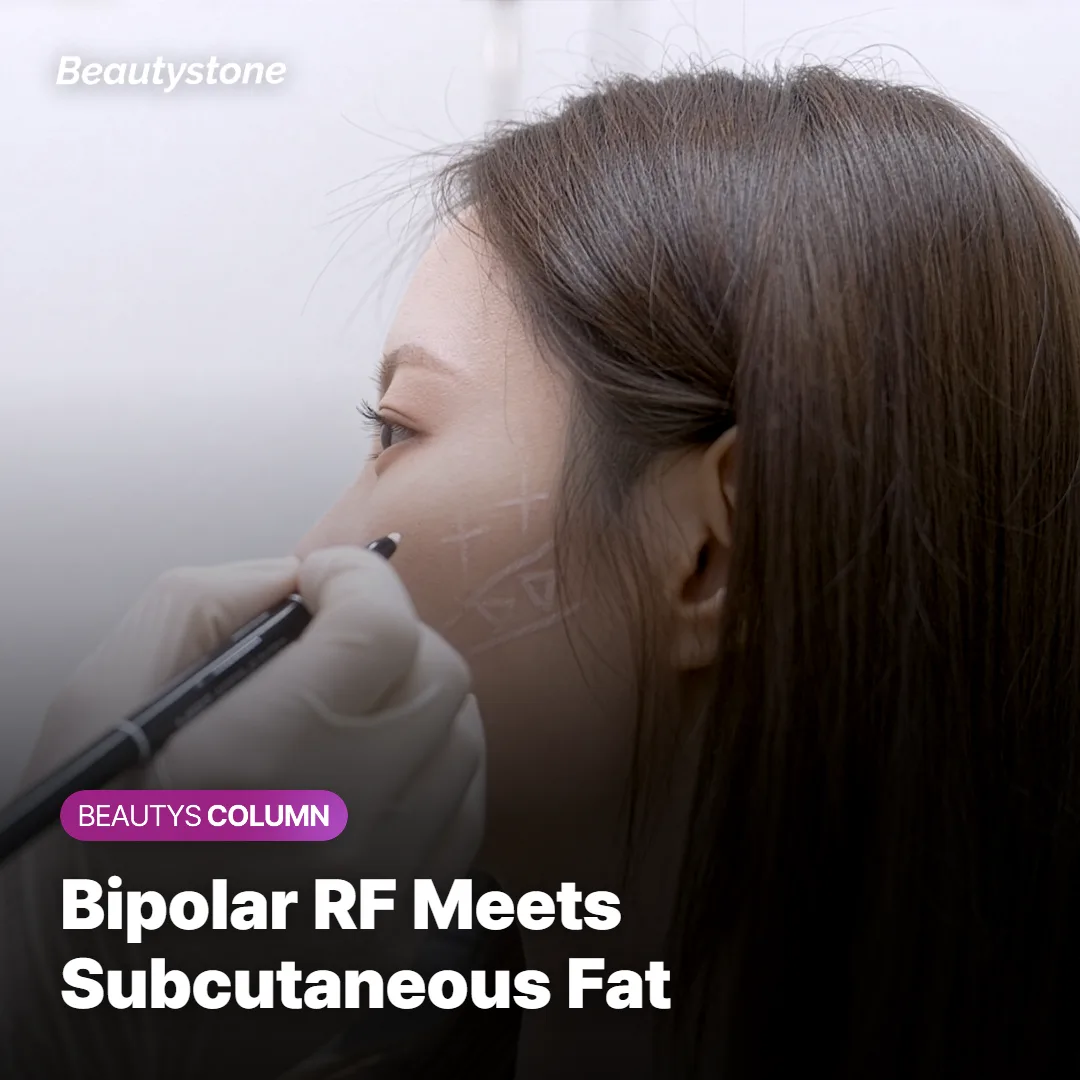
InMode FX delivers bipolar RF energy that travels between two points on the handpiece, heating tissue as it passes through. Unlike monopolar RF, which sends energy from the skin down toward a deeper grounding pad, bipolar energy stays in a tighter, more predictable zone.
At the right temperature, that heat does two things: it triggers new collagen production in the dermis, and it damages fat cell membranes in the subcutaneous layer just beneath the skin. Damaged fat cells are gradually cleared by the body over the following weeks, which is what produces the slimming effect around the jaw and chin.
- Collagen response: heat in the dermis stimulates fibroblasts, which is what firms the skin over time.
- Fat cell response: heat in the subcutaneous layer damages fat cell walls, which the body clears naturally.
- Depth control: the bipolar path keeps energy from spreading as widely as older monopolar RF devices.
This is also why the same setting that works beautifully under the chin can be too much just a few centimeters away, where the fat layer is a fraction as thick.
What to Expect After Your Session
Most people describe the treatment itself as a warm, sometimes pinching sensation rather than sharp pain, and a topical numbing cream is typically used beforehand.
- Day of treatment: mild redness and a warm, flushed feeling, similar to a light sunburn.
- First 48 hours: some swelling is common, especially if you're new to the treatment; ice packs can help.
- 1 to 2 weeks: initial puffiness resolves, and any bruising typically fades.
- 2 to 4 weeks and beyond: fat-clearing and collagen remodeling continue gradually; most providers recommend a short course of sessions rather than one high-intensity pass.
A single treatment usually isn't the plan. Providers often recommend a series spaced about four weeks apart, in part so results build gradually and in part because trying to get everything done in one aggressive session is one of the more common reasons energy gets pushed too high.
Side Effects and Risks: What's Normal, and What Isn't
In practice, InMode FX side effects tend to fall into three groups, and they are not equally serious.
- Warmth, redness, and swelling: the most common reaction, and it's expected. It typically settles within about three days on its own.
- Petechiae or light bruising: small red or purple marks where the handpiece contacted the skin. These usually clear up within a week.
- Cheek volume loss (hollowing): the least common but most difficult to reverse, and it's the one worth planning around before you book a session.
The first two categories are just your body's normal response to a controlled heat injury, and they don't need special intervention. If redness spreads well beyond the treated area or is paired with fever, that's outside the expected pattern, and it's worth contacting your provider right away.
Hollowing is a different kind of problem. It doesn't show up as an obvious injury on day one — it shows up weeks later, once swelling has fully resolved and the treated fat has actually been cleared. If the area didn't have much fat to spare in the first place, what's left can look sunken rather than sculpted.
Why Cheek Hollowing Happens — and How It's Prevented
The mechanism that makes InMode FX effective under the chin is the same one that makes it risky under the cheekbone: it reduces fat wherever the energy is applied, without knowing how much fat that area can afford to lose.
Fat thickness varies a lot across the face. Under the chin and along the jawline, the layer is typically 10mm or more, so there's plenty of volume to work with. Move up to the cheeks, and it thins to somewhere around 6 to 9mm. By the time you reach the area just under the cheekbone, it can be as thin as 2 to 5mm, and near the temples and under the eyes, it may be 3mm or less.
| Area | Fat Layer Thickness | Typical Energy | Hollowing Risk |
|---|---|---|---|
| Chin and jawline | 10mm or more | Standard to higher | Low |
| Cheeks (buccal area) | 6–9mm | Moderate | Moderate |
| Under the cheekbone | 2–5mm | Low, or skipped | High |
| Temple and under-eye | 3mm or less | Usually avoided | Very high |
That's why energy has to be mapped zone by zone rather than applied uniformly across the face. A setting that's appropriately calibrated under the jaw can be far too aggressive an inch or two higher, where there's simply no spare fat to lose.
This is also why a face that's naturally flatter or has less baseline fat needs a more conservative energy map than one with fuller cheeks, even if both patients are getting "the same" treatment on paper.
How Much Does InMode FX Cost?
Pricing for InMode FX varies by clinic, by the areas treated, and by how many sessions are included in a package, so there isn't one number that applies to everyone.
As a general rule, a single session tends to cost less than a full recommended course, and most clinics price a multi-session package at a discount compared to booking sessions one at a time. Ask your provider for an itemized quote before you commit, and be wary of any clinic pushing you toward a single aggressive session to save money — that's the exact pattern connected to higher hollowing risk.
A consultation is really the only reliable way to get an accurate number for your face, since the areas you want treated and your existing fat distribution both affect the plan. See current offers at /en/promotion for up-to-date pricing at Beautystone.
Who's a Good Candidate for InMode FX?
InMode FX tends to work best for people with a moderate amount of fat under the chin or along the jawline who want a more defined lower face without surgery or a long recovery.
- Good fit: visible fullness under the chin or jaw, realistic expectations about gradual results, and no plans to combine it with recent filler in the same area.
- Proceed with caution: naturally flat or already-thin cheeks, since there's less margin for error in the cheekbone area.
- Talk to your provider first: dental implants near the treatment area, since heat can transfer differently around metal, and recent filler or thread lifts, which can be affected by heat and generally need a spacing window of at least four to six weeks.
If you already know your cheeks run flat rather than full, that's worth saying out loud in your consultation — it should change how the provider maps energy across your face, not just how many sessions they recommend.
The Bottom Line
Here's the short version: swelling, redness, and light bruising are normal parts of InMode FX recovery and resolve within about a week. Cheek hollowing is not a normal part of recovery, and it comes down to how carefully energy is calibrated by area rather than applied at one setting across the whole face.
- Bipolar RF reduces fat wherever it's applied, so thinner areas like the cheekbone need lower energy or none at all.
- A gradual, multi-session plan is generally safer than trying to finish everything in one aggressive pass.
- Hollowing shows up weeks after treatment, once swelling has resolved, which is why it's easy to miss until it's already happened.
Like any procedure that works by reducing tissue, InMode FX comes with trade-offs, and getting a good result depends heavily on the provider's judgment, not just the device settings.
Ultimately, the choice — and the energy map used on your face — depends on your fat distribution, your goals, and how conservative you and your provider decide to be. If you're considering InMode FX, a consultation is the best way to find out what's realistic for your face. Beautystone is a dermatology clinic in Seoul's Hapjeong area — see current offers at /en/promotion.
Frequently Asked Questions
Q1. Does InMode FX Hurt?
Most people describe it as a warm, sometimes pinching sensation rather than real pain, and a topical numbing cream is typically applied beforehand. Any discomfort is usually mild and short-lived.
Q2. How Long Do InMode FX Results Last?
Collagen and fat-clearing effects tend to build gradually over several weeks and can last for months, but individual results vary depending on your skin, age, and how many sessions you complete. It isn't a one-and-done fix, and results fade over time as with any non-surgical treatment.
Q3. How Much Does InMode FX Cost?
Pricing depends on the clinic, the areas treated, and whether you book a single session or a package. A consultation is the most reliable way to get an accurate quote — see current offers at /en/promotion.
Q4. When Can I Wear Makeup After InMode FX?
Many people can apply makeup the same day or the next, once any redness has calmed down, but it's best to confirm timing with your provider since sensitivity varies from person to person.