CellRedM Side Effects: What's Normal?
Redness, mild swelling, and occasional bruising are the most common reactions after CellRedM — here's what's typical, and when it's worth checking in with your provider.

If you've noticed your under-eye area or cheeks look a little "fuller" than you expected a week after a CellRedM skin booster, you're not alone. Some redness and mild swelling right after the injections are a completely normal part of recovery, but a smaller group of patients also notice a puffier look that lingers for a week or two — especially if they already had decent volume going into treatment.
That difference usually comes down to dosing rather than anything going wrong. CellRedM adds a bit of hyaluronic acid volume on top of its regenerative ingredient, so how much gets injected — and where — matters more than it does with a plain collagen-stimulating booster.
In this article, we'll cover what CellRedM actually is, how it differs from a PN-only treatment like Rejuran, what a normal recovery timeline looks like, and which reactions are worth a call to your provider.
What Is CellRedM?
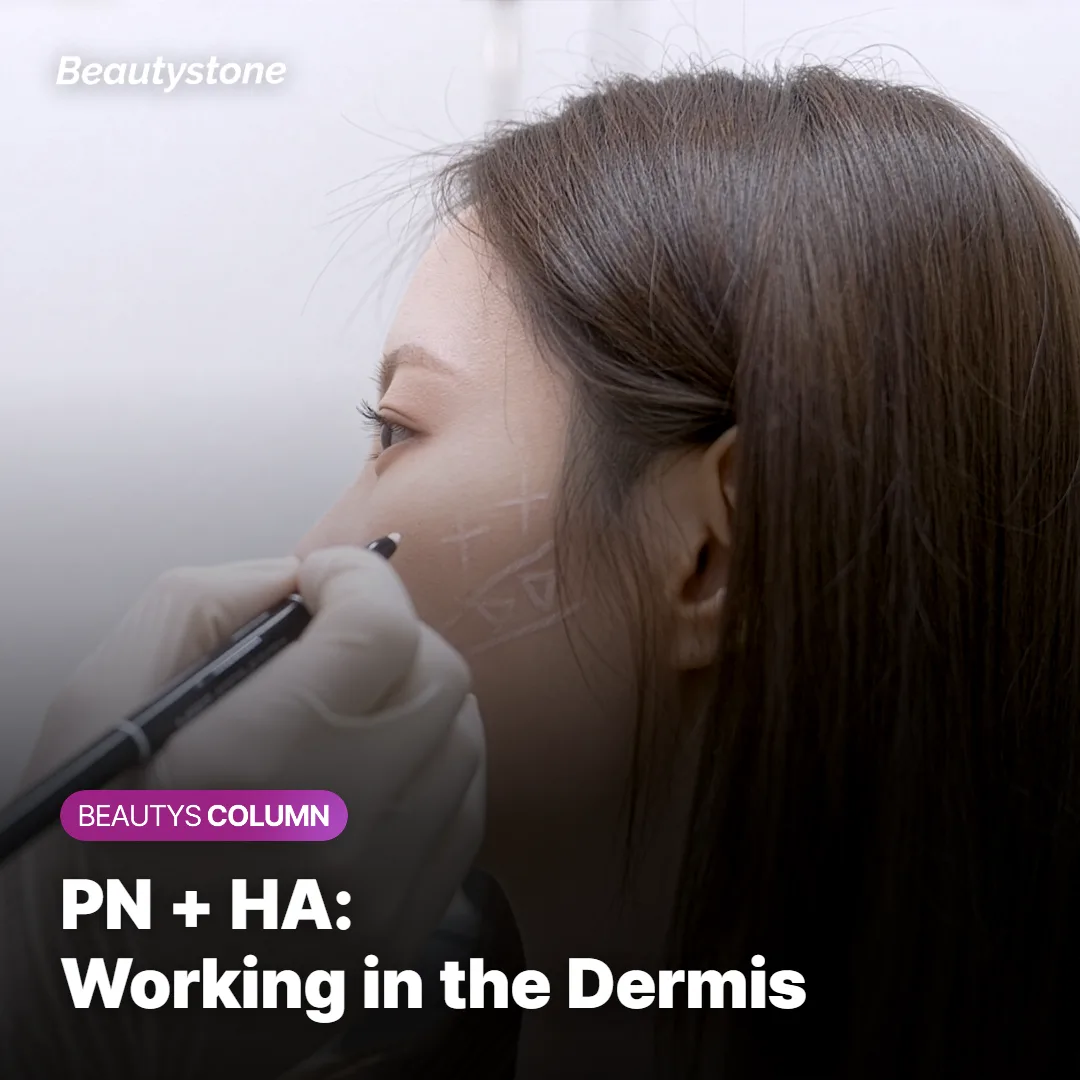
CellRedM is an injectable skin booster built around two active ingredients: polynucleotides (PN), a regenerative compound derived from salmon DNA, and hyaluronic acid (HA). It's injected directly into the dermis — the deeper layer of skin that sits below the epidermis — rather than applied topically.
The PN half of the formula is shared with other regenerative injectables you might already know, like Rejuran. What makes CellRedM different is the added HA, which brings a bit of physical volume and hydration to the treated area on top of the skin-repair effect PN is known for.
That combination is also why CellRedM tends to come up in conversations about both skin texture and mild volume loss — it's doing a bit of both jobs, rather than focusing on just one.
How Does CellRedM Work?
Once it's injected, the PN component works the way most biostimulators do. It signals fibroblasts — the cells responsible for producing collagen — to ramp up repair and rebuilding in the treated area over the following weeks, which is a gradual process rather than an overnight one.
The HA half works on a different timeline. It adds volume and hydration almost immediately, which is why some patients notice a fuller look within days of treatment rather than weeks.
Put those two together and CellRedM is essentially doing two jobs at once: a slower regenerative effect from the PN, and a faster volumizing effect from the HA. For someone with hollow cheeks or thinning under-eye skin, that volumizing piece is usually the whole point. For someone who already has healthy volume in the treated area, it's the reason things can start to look overfilled if too much product goes in.
What to Expect After Treatment
Most people see some redness and mild swelling right at the injection sites, and that typically settles within a day or two with basic aftercare — think a cold compress on the day of treatment and avoiding unnecessary rubbing of the area.
Bruising is common too. Clinic experience suggests it shows up in roughly 2 to 3 out of every 10 patients, and it can take anywhere from five to ten days to fully fade. Makeup can usually cover it starting around day three, once any initial swelling has gone down.
A more localized, puffier feeling in the treated area is also common, particularly if you already had decent volume before your appointment. That sensation tends to ease up over one to two weeks as the HA settles and redistributes more evenly. Most patients feel comfortable going back to work or their normal routine the next day, though it's worth checking your calendar first if bruising would be a problem for you — a big event the same week probably isn't the best time to schedule.

Side Effects & Risks
Redness, swelling, and bruising account for the vast majority of what patients experience after CellRedM, and all three are considered a normal part of recovery rather than something to worry about. Here's a quick breakdown of what's typical:
| Symptom | How Common | How Long It Lasts |
|---|---|---|
| Redness & swelling | Most patients | 1–3 days |
| Bruising | About 2–3 out of 10 | 5–10 days |
| Localized fullness | More likely with existing volume | 1–2 weeks |
Small, firm nodules under the skin are a much rarer complication, and experienced injectors can avoid most of them by keeping injection depth consistent across the treated area rather than varying it session to session.
If you have a salmon allergy, mention it before your appointment — PN is derived from salmon DNA, so this isn't the right treatment if you react to fish products. Providers will also typically postpone treatment if you're pregnant, nursing, or dealing with an active skin infection at the injection site.
If you notice spreading redness, a fever, or pain that gets worse instead of better in the days after treatment, that's not typical recovery — reach out to your provider right away instead of waiting to see if it resolves on its own.
How Much Does It Cost?
Pricing for CellRedM varies quite a bit depending on the clinic, how many vials are used, and which area is being treated, so there isn't one number that applies across the board. Clinics that offer CellRedM in Seoul typically price it per vial or per session, and many offer a discount if you book a full course of sessions upfront rather than paying one at a time.
The number of sessions you actually need also affects the total cost. Someone with mild volume loss might see good results from two sessions, while someone with deeper hollowing might need three or four spaced a few weeks apart, plus occasional maintenance down the line.
Because pricing changes fairly often — and because the right dose depends so much on your own baseline volume — a consultation is the most reliable way to get an actual quote instead of a rough estimate. You can see current offers at /en/promotion.
Who's a Good Candidate?
CellRedM tends to work best for people dealing with hollowness or thinning skin — early volume loss under the eyes, in the cheeks, or along the temples — where a bit of added fullness alongside better skin quality is the actual goal.
It's less of a fit if you already have healthy volume in the area you want to treat, since the HA component is exactly what can push you toward that overfilled look the treatment is supposed to avoid. In those cases, a provider might suggest a smaller dose, a PN-only option, or skipping the area altogether.
Your provider should be assessing your baseline volume in person before recommending a dose — not just applying a standard vial-per-area formula regardless of how you actually look. If you're pregnant, nursing, have an active infection at the treatment site, or have a known salmon allergy, this isn't the right treatment for you at this time, and it's worth asking your provider about alternatives instead.
The Bottom Line
- Redness and swelling are normal and usually fade within a couple of days.
- Bruising shows up in roughly 2 to 3 out of 10 patients and can take a week or more to clear.
- A fuller, puffier look is more likely if you already had decent volume before treatment — dosing is what keeps results looking natural.
- Salmon allergies, pregnancy, nursing, and active infections are all reasons to postpone or skip treatment.
Like any injectable, CellRedM comes with trade-offs, and results — including how long the added volume and improved skin quality actually last — vary from person to person.
Ultimately, the right dose and treatment area depend on your own skin and goals, and that's something a provider needs to assess in person rather than over the phone.
If you're considering CellRedM, a consultation is the best way to find out what fits you. Beautystone is a dermatology clinic in Seoul's Hapjeong area — see current offers at /en/promotion.
Frequently Asked Questions
Q1. Is it normal to look a little puffy after CellRedM?
Yes, especially if you already had good volume in the treated area before your appointment. That fuller look usually eases up within one to two weeks as the hyaluronic acid settles and redistributes — if it doesn't, or if it seems to be getting worse instead of better, check in with your provider.
Q2. How long does bruising last after CellRedM?
Bruising shows up in about 2 to 3 out of 10 patients and typically takes 5 to 10 days to fade completely. Most people can cover it with makeup starting around day three, though timing can vary depending on your skin and how many injection points were used.
Q3. Can I get CellRedM if I have a salmon allergy?
It's best to avoid it. The polynucleotide (PN) component in CellRedM is derived from salmon DNA, so a salmon allergy is a reason to skip this particular treatment. Tell your provider about any food allergies during your consultation so they can recommend a safer alternative.
Q4. How much does CellRedM cost?
Pricing depends on the clinic, the number of vials used, and the area being treated, so there isn't a flat rate that applies to everyone. A consultation is the most reliable way to get an accurate quote — you can see current offers at /en/promotion.