Skin Boosters: What Are the Side Effects?
From how Skin boosters work by injecting hyaluronic acid into the Dermis to improve Skin Texture, to distinguishing common side effects from rare reactions — here's how to replace vague anxiety with realistic expectations.

If you've been researching Skin boosters, you're probably familiar with the hesitation: "I've heard it's great for your skin, but are there really no side effects?" The idea of injecting something into your skin can feel unsettling, and with so many conflicting accounts of Bruising and Swelling online, it's hard to know what's actually normal.
In this post, I'll walk you through how Skin boosters work beneath the skin's surface, the types and severity of side effects that are actually reported, and what to confirm during your consultation to ensure a safe experience. My goal is to help you replace vague worry with a realistic, informed perspective.
This post is part of the procedure information series from Beautystone Clinic in Hongdae.
What you'll get from this post

  · A clear understanding of how Skin boosters work beneath the skin
  · An overview of commonly reported side effects and their typical severity
  · How to distinguish rare reactions that actually warrant attention
  · A practical checklist of things to confirm during your consultation
Let's Start With How Skin Boosters Actually Work
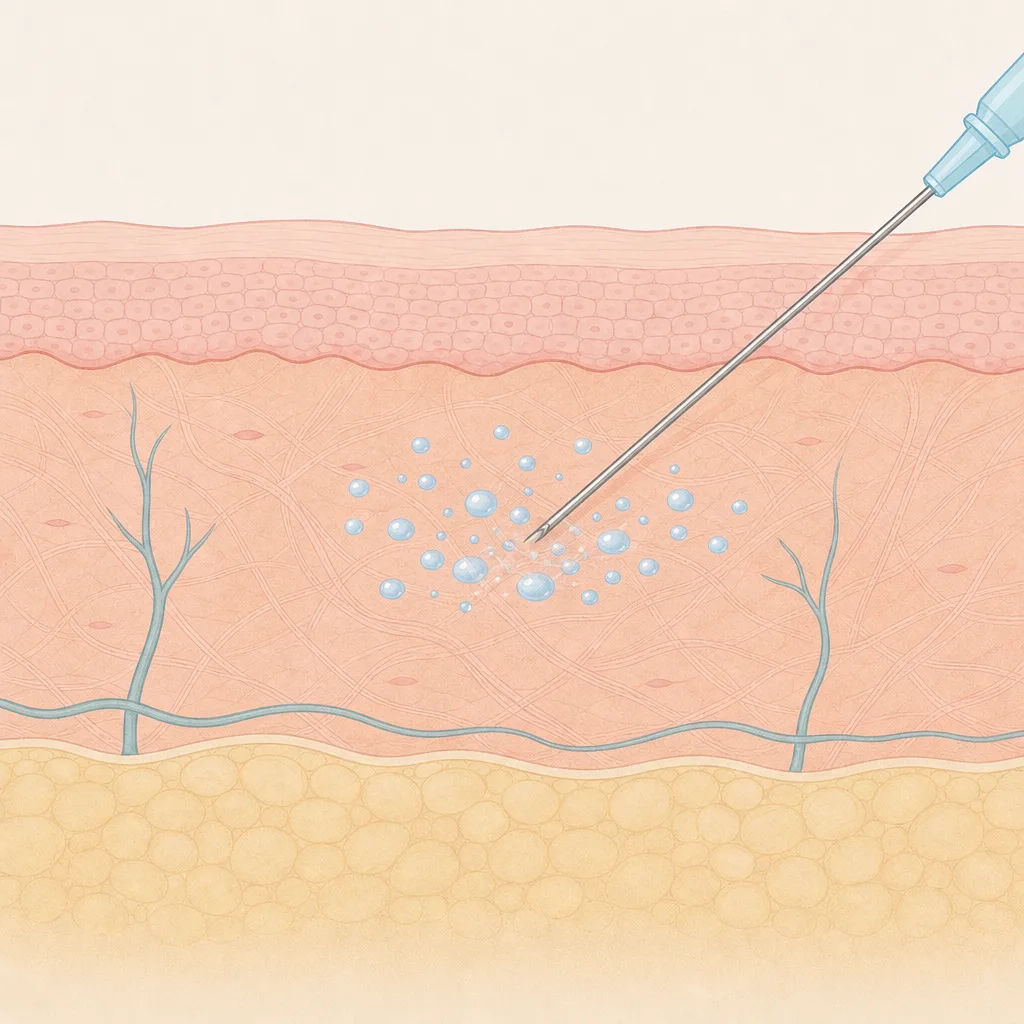
A Skin booster is a procedure that delivers hyaluronic acid and similar ingredients via shallow injections into the Dermis, improving the skin's natural hydration and Skin Texture from within. Unlike conventional Fillers designed to add volume, Skin boosters focus on optimizing the skin's internal environment. According to this medical review on the mechanisms of injectable Skin boosters, hyaluronic acid can bind water many hundreds of times its own weight and stimulates the extracellular matrix* of the Dermis* to support Collagen production.
Dermis*: The layer of skin beneath the epidermis that holds Collagen and moisture — the structural foundation responsible for Elasticity and Skin Texture.
Extracellular matrix*: A mesh-like network of components between cells in the Dermis that supports skin structure — Collagen and hyaluronic acid are key elements of this network.
Because this procedure works by modifying the skin's internal environment, both its benefits and its side effects are closely tied to where, how much, and how the injections are administered. This is why understanding the procedure process and post-care matters more than focusing solely on the ingredients themselves.
What Do Commonly Reported Side Effects Actually Look Like?
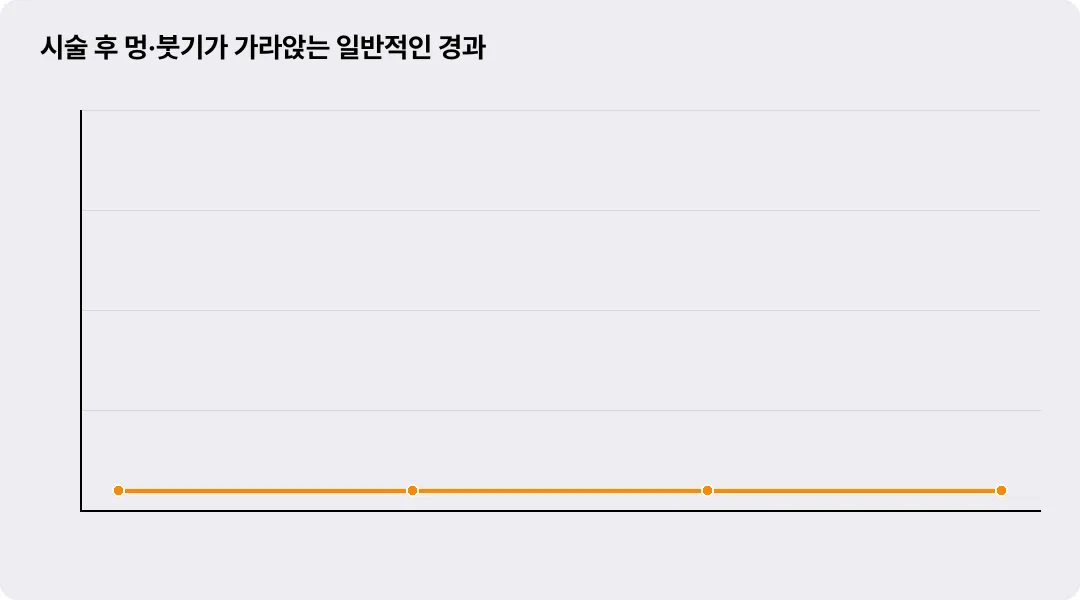
The most frequently observed reactions after a Skin booster procedure are Bruising, Swelling, and tenderness at the injection sites. A systematic review on the safety of injectable hyaluronic acid confirms that the majority of side effects are mild and typically resolve within two weeks. Because multiple injection points are used across the treatment area, minor Bruising and Erythema are quite common.
Below is a summary of frequently reported reactions and their typical course. Knowing what falls within the "normal range" ahead of time can help reduce unnecessary worry in the days following your procedure.
| Reaction | How Common | Typical Course |
|---|---|---|
| Bruise | Common | Fades within a few days to 2 weeks |
| Swelling | Common | Usually subsides within a few days |
| Tenderness to touch | Common | Typically short-lived |
| Erythema | Common | Calming down within a day or two |
Here's How to Identify the Rare Reactions Worth Watching For
While most reactions are mild, nodules (small lumps), persistent inflammation, or pigmentation changes can occasionally occur. The same systematic review notes that these reactions are uncommon, and that hyaluronic acid carries a relatively lower risk of nodule formation compared to other injectable ingredients. That said, if Swelling persists beyond two weeks or Pain and redness progressively worsen, it's safer to seek a clinical evaluation rather than waiting it out.
These rare reactions are more often linked to hygiene, injection depth, and post-procedure care than to the ingredients themselves. This is why where and how you receive your procedure matters just as much as what product is being used.
Why Beautystone Clinic in Hongdae?
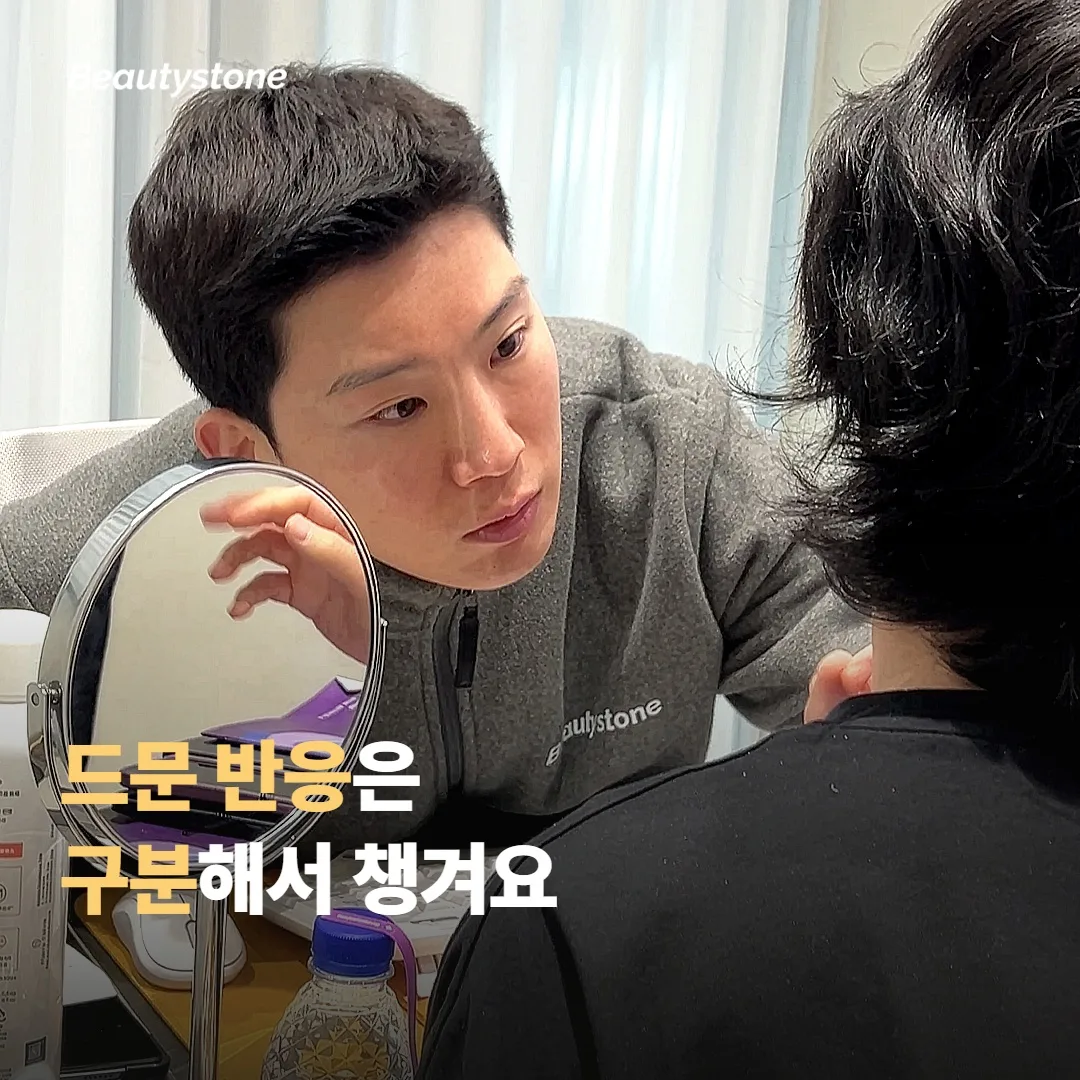
Even with the same Skin booster formulation, outcomes and side effects can vary significantly depending on injection depth, volume, and hygiene protocols. At Beautystone Clinic in Hongdae, we take time before every procedure to assess your skin's current condition and align on your expectations — with a strong focus on clearly explaining the injection approach and Aftercare guidance.
Rather than simply telling you "there are no side effects," we believe in being straightforward about what reactions are common, which ones are rare, and exactly what signs should prompt you to reach out. In our experience, realistic information leads to far greater satisfaction than vague reassurance.

What to Check to Ensure a Safe Experience
Before your procedure, it's worth reviewing any medications you're currently taking, whether you tend to Bruise easily, and whether there's any active inflammation or breakouts in the treatment area. Since Bruising and Swelling are common reactions, scheduling your appointment a few days before any important events gives you comfortable buffer time.
After the procedure, avoid touching or applying excessive pressure to the treated area and give the Bruising and Swelling a few days to naturally resolve. However, if Pain or redness progressively worsens or lingers longer than expected, contact the clinic rather than trying to manage it on your own.

Frequently Asked Questions
Q. Is Skin booster a procedure with many side effects?
A. Most reactions — such as Bruising, Swelling, and tenderness — are mild and temporary. Systematic reviews consistently report that the majority of side effects resolve within two weeks. That said, because multiple injection sites are involved, minor Bruising and Erythema are fairly common occurrences.
Q. How long do Bruising and Swelling typically last?
A. They usually fade within a few days, and in most cases within two weeks. If they persist beyond two weeks or continue to worsen, it's advisable to come in for an evaluation rather than waiting to see how it develops.
Q. I've heard nodules can form — is that common?
A. It's not particularly common. Hyaluronic acid is noted to carry a relatively lower risk of nodule formation compared to other injectable ingredients. However, since it can occasionally occur, if you feel a lump that doesn't seem to be resolving, it's best to have it checked.
Q. What's the most important factor for a safe procedure?
A. Injection depth, volume, and hygiene management are just as important as the ingredient itself. Being open about your health history during the consultation — and choosing a clinic where you can easily follow up if something feels off — are the key factors that determine how safe your experience will be.