Sculptra Nodules: Why Are They Rarer Now?
Here's the real reason Sculptra nodules have decreased — and why the massage protocol actually matters.

Sculptra Nodules — Why Are They So Much Rarer Now?
Whenever you search for Sculptra, nodule concerns tend to come up. People describe feeling small bumps or lumpy textures at the injection sites after the procedure. It used to be talked about like a common side effect — but in my clinic today, nodules have become noticeably less frequent.
The reason isn't the ingredient itself. It's how the procedure is performed that has changed.
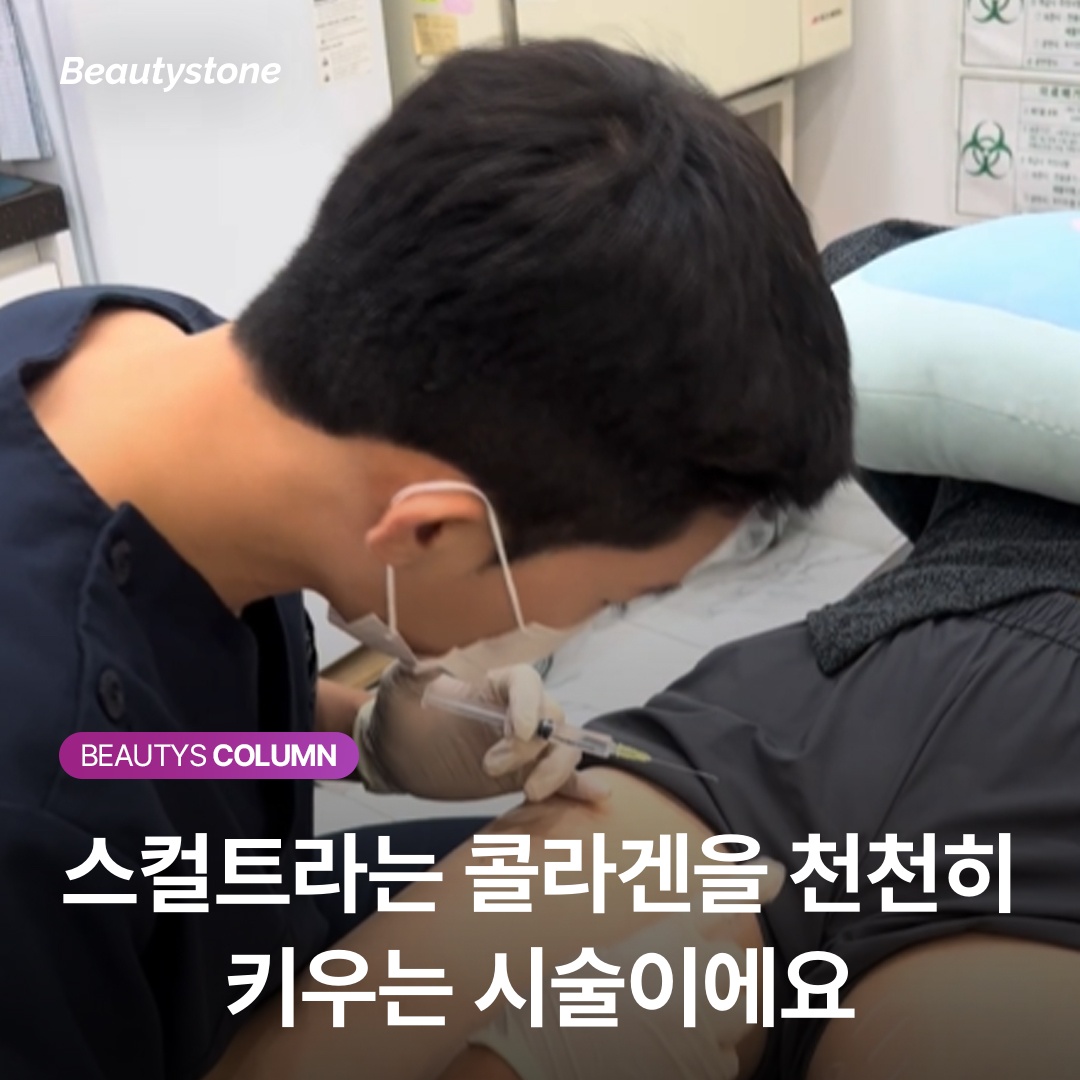
Sculptra Is a Procedure That Gradually Builds Collagen
Sculptra is a Collagen booster made from a compound called PLLA*.
*PLLA: Short for poly-L-lactic acid, a biodegradable material that slowly breaks down beneath the skin, stimulating Collagen production over time.
Unlike Filler, which provides immediate volume, Sculptra works by encouraging your skin to rebuild Collagen over the course of several months. That's why results appear gradually — and naturally.
Nodules Typically Form When Distribution Is Uneven
When PLLA particles cluster together in one spot, that area can become palpable — and that's what creates the nodule sensation. In earlier years, lower dilution concentrations and insufficient post-procedure dispersion were common, which is why nodule complaints were more frequent.
Today, practitioners use more adequate dilution and patients follow a structured self-massage protocol after the procedure. That's the primary reason nodules have become much less common.

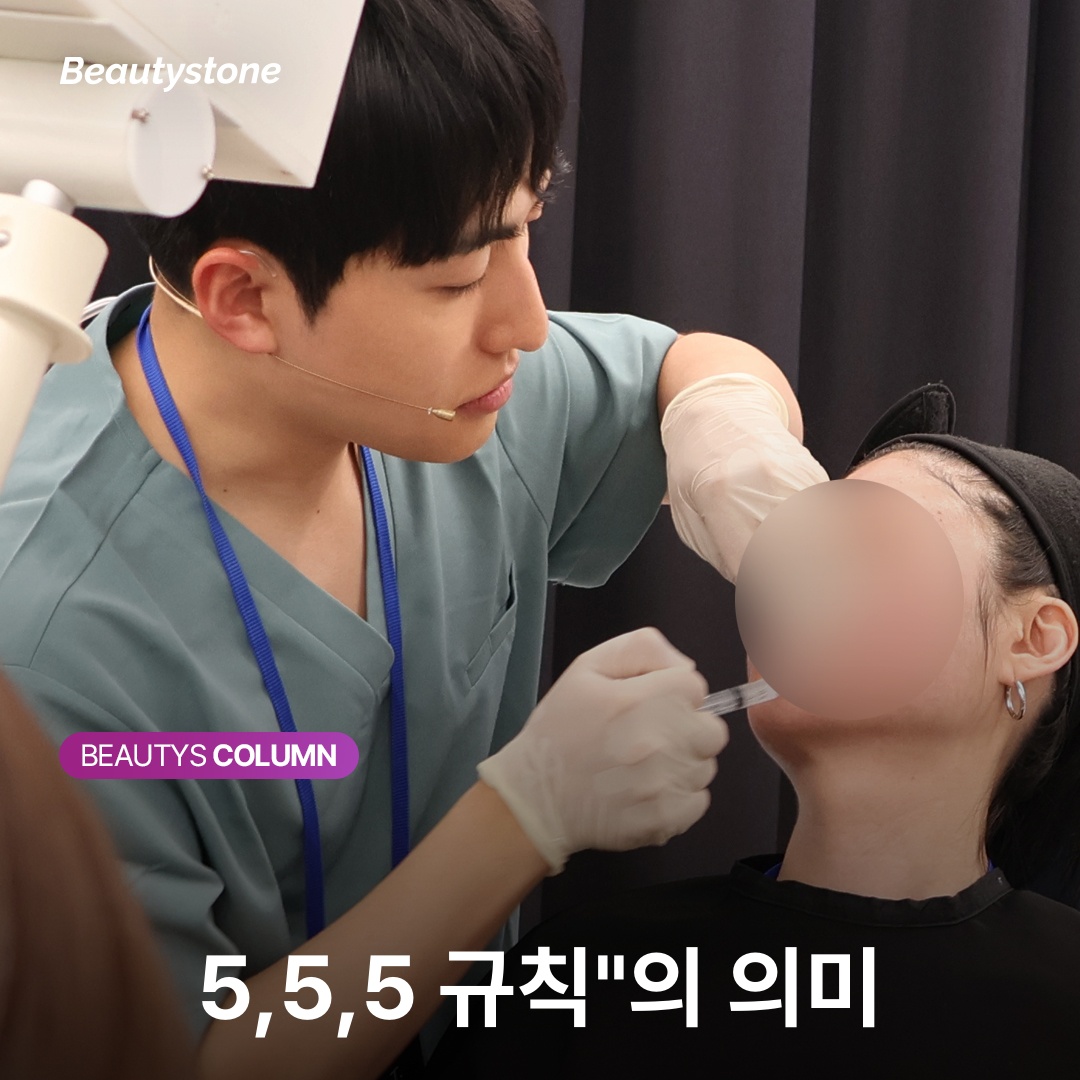
The "5-5-5 Rule" — What It Means
After a Sculptra procedure, the standard guidance is to massage the treated area for 5 minutes, 5 times a day, for 5 days. This dedicated dispersion window helps the particles spread evenly rather than settling in one concentrated area.
Simply following the massage instructions your clinic provides can meaningfully lower the likelihood of nodule formation.
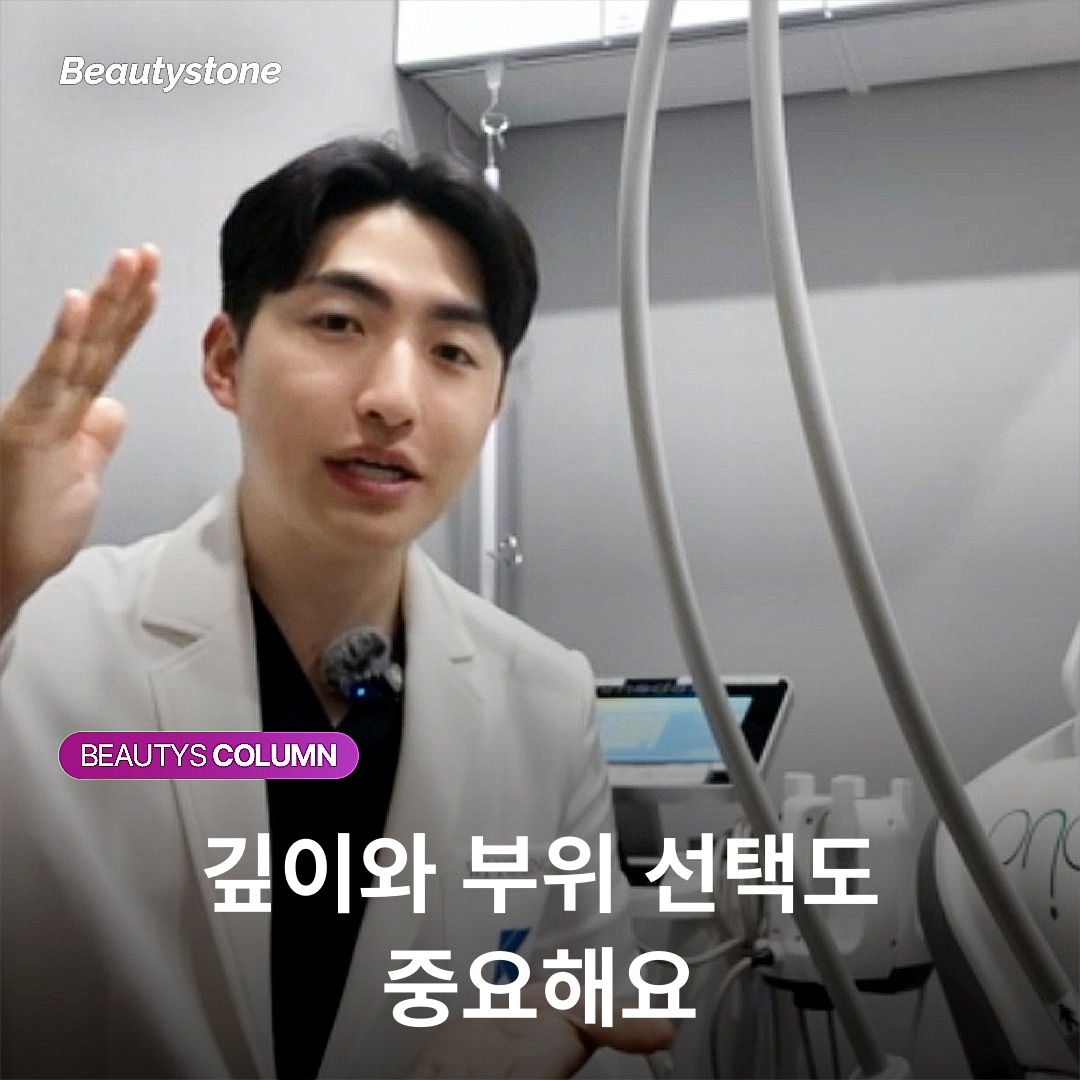
Injection Depth and Site Selection Also Matter
In areas where the skin is thin or where there is significant movement, a superficial injection can make any irregularities more visible. That's why delicate zones like around the mouth or eyes are often approached by combining Sculptra with other procedures, or by using a reduced amount in those specific areas.
Ultimately, even with the same product, the outcome depends heavily on where and how it's placed.
**Q. If a nodule does form, will it resolve on its own?** A. In most cases, nodules soften gradually over time. If one feels firm and persists for an extended period, a consultation to explore options for breaking it down would be worth considering.
**Q. I missed some of my massage sessions — is that a problem?** A. Missing one or two sessions is unlikely to make a significant difference. However, if the massage was largely skipped, there may be insufficient dispersion of the particles. It's best to follow the recommended schedule as closely as possible during the designated period.
**Q. When will I start seeing results?** A. Most patients begin to notice changes around 2 to 3 months after the procedure, with the most noticeable improvement typically visible around the 6-month mark. Sculptra is not a procedure designed for immediate results.
Frequently Asked Questions
Q1. Why are Sculptra nodules so much less common now?
It's mainly a change in technique, not the ingredient itself. Practitioners now use more adequate dilution and patients follow a structured self-massage protocol afterward, which helps the PLLA particles spread evenly instead of clustering in one spot.
Q2. What actually causes a nodule to form after Sculptra?
Nodules typically form when PLLA particles cluster together in one area rather than dispersing evenly, which makes that spot feel palpable under the skin. Injecting too superficially in thin-skin areas, like around the mouth or eyes, can also make irregularities more noticeable.
Q3. What is the "5-5-5 rule" for Sculptra aftercare?
It's the standard massage guidance given after a Sculptra session: massage the treated area for 5 minutes, 5 times a day, for 5 days. This dedicated dispersion window helps the particles spread evenly, which meaningfully lowers the likelihood of nodules forming.
Q4. Does where I get injected affect my nodule risk?
Yes — injection depth and site selection matter. In thin or highly mobile areas like around the mouth or eyes, providers often combine Sculptra with other approaches or use a reduced amount to keep results smooth.