Does Oligio X Smooth Neck Wrinkles?
Neck skin is thin and creases easily, so horizontal lines and a blurred jawline can sneak up faster than facial aging. Here's how Oligio X radiofrequency lifting approaches the problem, and which wrinkle types actually respond.

If you've caught a horizontal crease across your neck in a photo, or noticed your jawline doesn't look as sharp as it used to, you're not alone. Neck skin is thinner than facial skin, has less fat underneath, and folds every time you look down at a phone — so it tends to show its age early, sometimes years before the rest of the face does.
In this article, we'll cover why neck wrinkles and a blurred jawline happen, how Oligio X radiofrequency (RF) lifting works on that skin, which wrinkle types actually respond to it, and what recovery and cost typically look like.
Why Do Neck Wrinkles and a Blurred Jawline Happen?
The short answer? Thin skin plus constant folding plus collagen loss. Neck skin has less collagen and elastin support than facial skin to begin with, and as we age, the dermis — the structural layer beneath the surface — gradually loses density. Add in years of looking down at screens, and horizontal creases have an easy time settling in.
At the same time, the tissue under the chin can lose its lift. When that support softens, the line between the jaw and the neck gets harder to see — what people usually mean when they say their jawline looks 'blurred' rather than defined. It's less about a single wrinkle and more about the whole area losing structure.
How Does Oligio X Work on Neck Skin?
Oligio X is a monopolar RF device — it doesn't touch the surface of the skin. Instead, it sends an electrical current through the tissue, and the resistance that current meets as it travels generates heat at a set depth in the dermis. That heat causes existing collagen fibers to contract right away, which is why some people feel a mild tightening sensation during treatment.
The more meaningful change happens afterward. The heat also triggers fibroblasts — the cells in the dermis that produce collagen and elastin — to ramp up new collagen production. Research on RF devices describes this same mechanism for facial and neck wrinkles and laxity: heat-driven collagen contraction followed by new collagen and elastin synthesis. A related study on monopolar RF found that consistent heat delivered at a fixed depth in the dermis led to measurable increases in type I and type III collagen over the following months. In other words, thin, easily-folded neck skin can still respond to this mechanism — it just needs a few weeks to catch up.

Which Type of Neck Wrinkle Actually Responds to RF?
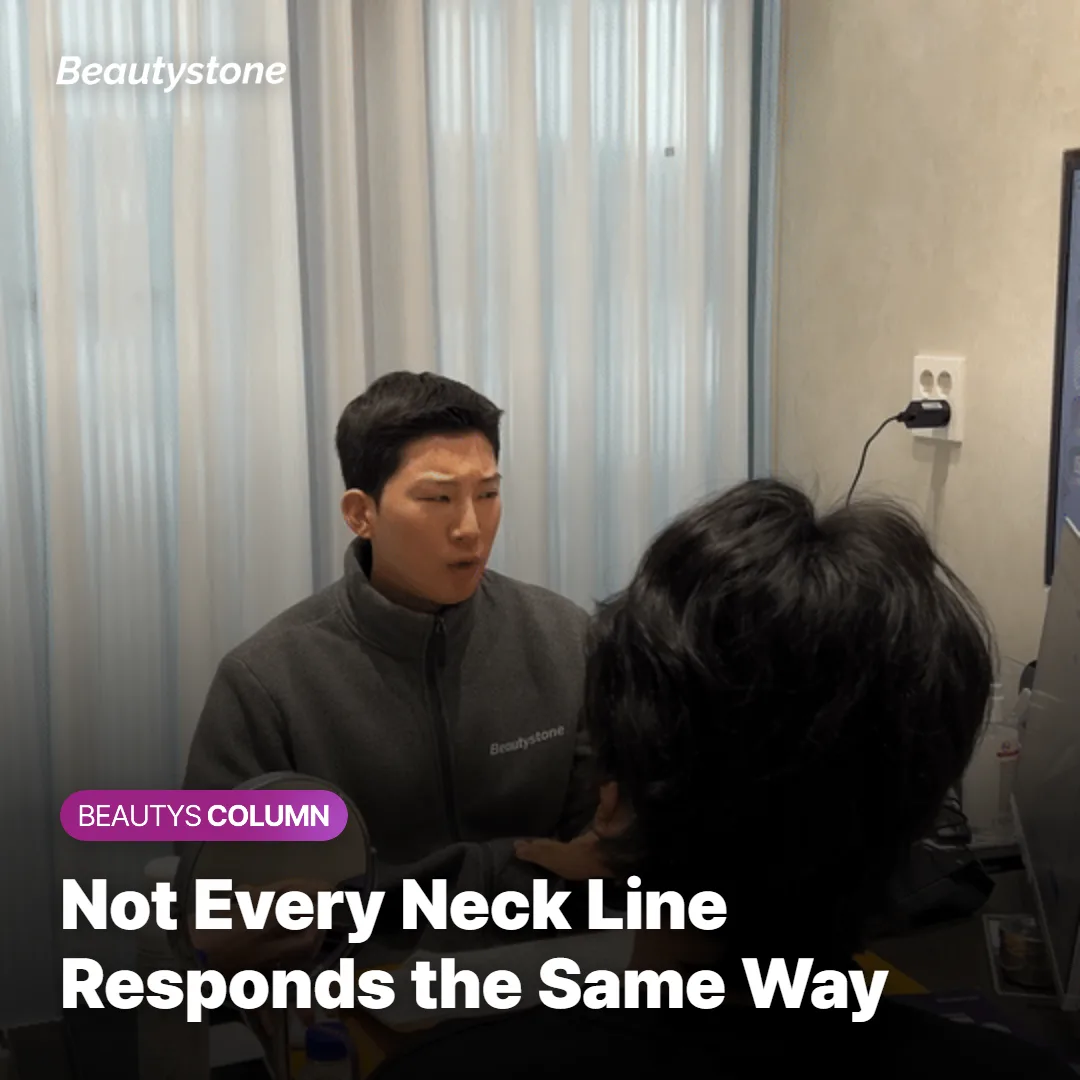
Not every neck line behaves the same way, and that matters when you're deciding whether RF lifting is the right first step. Here's roughly how different types tend to respond.
| Wrinkle Type | Response to Oligio X | Worth Discussing Too |
|---|---|---|
| Shallow horizontal lines (early stage) | Usually a good fit | Posture habits ('tech neck') |
| Blurred jawline from laxity | Generally responds well | Under-chin contouring if needed |
| Vertical neck bands | Partial improvement at best | Muscle-related evaluation |
| Deep, long-set creases | Supportive role only | A staged, multi-step plan |
Shallow horizontal creases and a jawline that's lost definition from general skin laxity tend to be where Oligio X does its best work. Vertical bands and deep, long-standing folds usually have a different underlying cause, so it's worth getting those evaluated in person before assuming RF alone will be enough.
What to Expect: Timeline and Recovery
Here's what the process typically looks like from the day of treatment onward:
- Day of: No incisions or needles are involved, so most people go straight back to their normal day. Mild warmth or a slight tightening feeling during the session is common.
- First 24 hours: Some light redness or a warm sensation can show up, and it usually settles within a day.
- 1 to 3 months: This is when the real change happens, as new collagen gradually builds. Don't expect a dramatic before-and-after the moment you leave the clinic — the timeline is slow by design.
- Up to 6 months: Results tend to continue developing and can still be building even at this point, though this varies from person to person.
A few practical notes: keep sunscreen on your neck (not just your face) for the first several days, and skip saunas or intense workouts the day of treatment. If swelling or discomfort seems to be getting worse instead of better after a few days, that's worth flagging to your provider rather than waiting it out.
Side Effects & Risks
Oligio X is a monopolar RF device that's been cleared for use on facial and neck skin, and side effects reported with this type of treatment are generally mild and temporary. That said, it's still a medical procedure, and it helps to know what's normal and what isn't.
- Common: Temporary redness, warmth, or mild tenderness in the treated area, usually gone within a day.
- Less common: Small areas of firmness or, rarely, a small blister if the skin was more sensitive than expected.
- Red flag: If you notice spreading redness, fever, or pain that keeps getting worse instead of easing off, contact your provider right away rather than waiting.
Individual results and reactions vary — skin thickness, sun exposure history, and how much laxity you're starting with all play a role. A consultation with a licensed provider is the best way to flag anything that could change how your skin responds.
How Much Does Oligio X Cost?
Pricing for Oligio X neck treatments varies by clinic, the number of shots used, and whether it's bundled with a jawline or full-face session — so there isn't one universal number that applies to everyone. Clinics in Seoul, including Beautystone, typically price it by session or by a shot-count package, with per-shot cost usually dropping at higher volumes.
Rather than guess at a figure that may not apply to your case, a consultation is the most reliable way to find out what a neck-focused plan would actually cost — see current offers at /en/promotion.
Is It Worth It for Your Neck?
If your main concern is early horizontal lines or a jawline that's softened from general laxity, Oligio X is generally a reasonable first step — it's non-invasive, doesn't require downtime, and works with a mechanism that's well documented for skin tightening. If you're dealing with deep, long-set folds or prominent vertical bands, it's worth going in with realistic expectations: RF may help as part of a broader plan, but it's not likely to be the whole answer on its own.
Beautystone is a dermatology clinic in Seoul's Hapjeong neighborhood, a short walk from Hapjeong Station. Rather than defaulting to 'neck wrinkles, so RF,' the approach here starts with sorting out whether you're dealing with shallow lines, laxity, vertical bands, or a mix — since that changes what actually helps. Being a smaller, walk-in-friendly clinic makes it easier to have that conversation and map out a sequence together, in person, before deciding on anything.
The Bottom Line
Neck wrinkles and a blurred jawline often show up together, and Oligio X radiofrequency lifting can be a solid option for shallow horizontal lines and laxity-driven jawline blur — working through heat-driven collagen contraction followed by new collagen production over the following months. Vertical bands and deep, long-set creases tend to need a different approach, or RF as one part of a larger plan rather than the whole solution.
Like any procedure, it comes with trade-offs — the timeline is gradual, not immediate, and results vary from person to person. Ultimately, the choice depends on your skin, your wrinkle type, and your goals. If you're considering Oligio X for your neck, a consultation is the best way to find out what fits you — Beautystone is a dermatology clinic in Seoul's Hapjeong area, and you can see current offers at /en/promotion.
Frequently Asked Questions
Q1. Does Oligio X hurt on the neck?
Most people describe it as warmth or mild tightening rather than pain, since neck skin is thin enough that the sensation is usually noticeable but tolerable. Sensitivity can vary from person to person, so it's worth mentioning your comfort level to your provider before starting.
Q2. How long do neck RF results typically last?
Results build gradually over 1 to 3 months as new collagen forms, and can continue developing up to around 6 months. How long the improvement holds after that depends on your skin, age, and lifestyle factors like sun exposure, so individual results vary.
Q3. How much does Oligio X for the neck cost?
Cost depends on the clinic, the number of shots used, and whether it's combined with a jawline or full-face session, so there's no single price that fits every case. A consultation is the most reliable way to get a number based on your specific neck — see current offers at /en/promotion.
Q4. Is there any downtime after neck RF treatment?
No incisions or needles are involved, so most people return to their normal day right after treatment. Some mild redness or warmth can show up and typically settles within about a day, though it's best to skip saunas or intense workouts on the day of your session.