

Can PicoWay Really Fade an Old Tattoo?
Old tattoos can fade with PicoWay, but almost never in a single session. Here's what actually happens to the ink underneath your skin, session by session.

If you've had a tattoo sitting on your skin for ten or fifteen years, you've probably wondered the same thing everyone in that chair wonders: can old ink actually come off, or is it too set in to bother trying? In this article, we'll cover how PicoWay tattoo removal works, why it almost never finishes in one visit, and what changes the number of sessions you'll need.
Can PicoWay Really Fade an Old Tattoo?
Short answer: yes, in most cases old ink does fade with PicoWay. What it isn't is instant. Tattoo removal doesn't work like an eraser scrubbing pigment off the surface. It works by shattering ink particles under the skin into pieces small enough for your body to carry away on its own, and that clearing process simply takes time.
A lot of people assume an old tattoo is somehow "locked in" and harder to touch than a fresh one. That's not quite how it works, and in some cases the opposite is true (more on that below). The bigger factors are ink color, how deep the pigment sits, and how large the piece is — not just how many years it's been on your arm.
How PicoWay Breaks Down Tattoo Ink
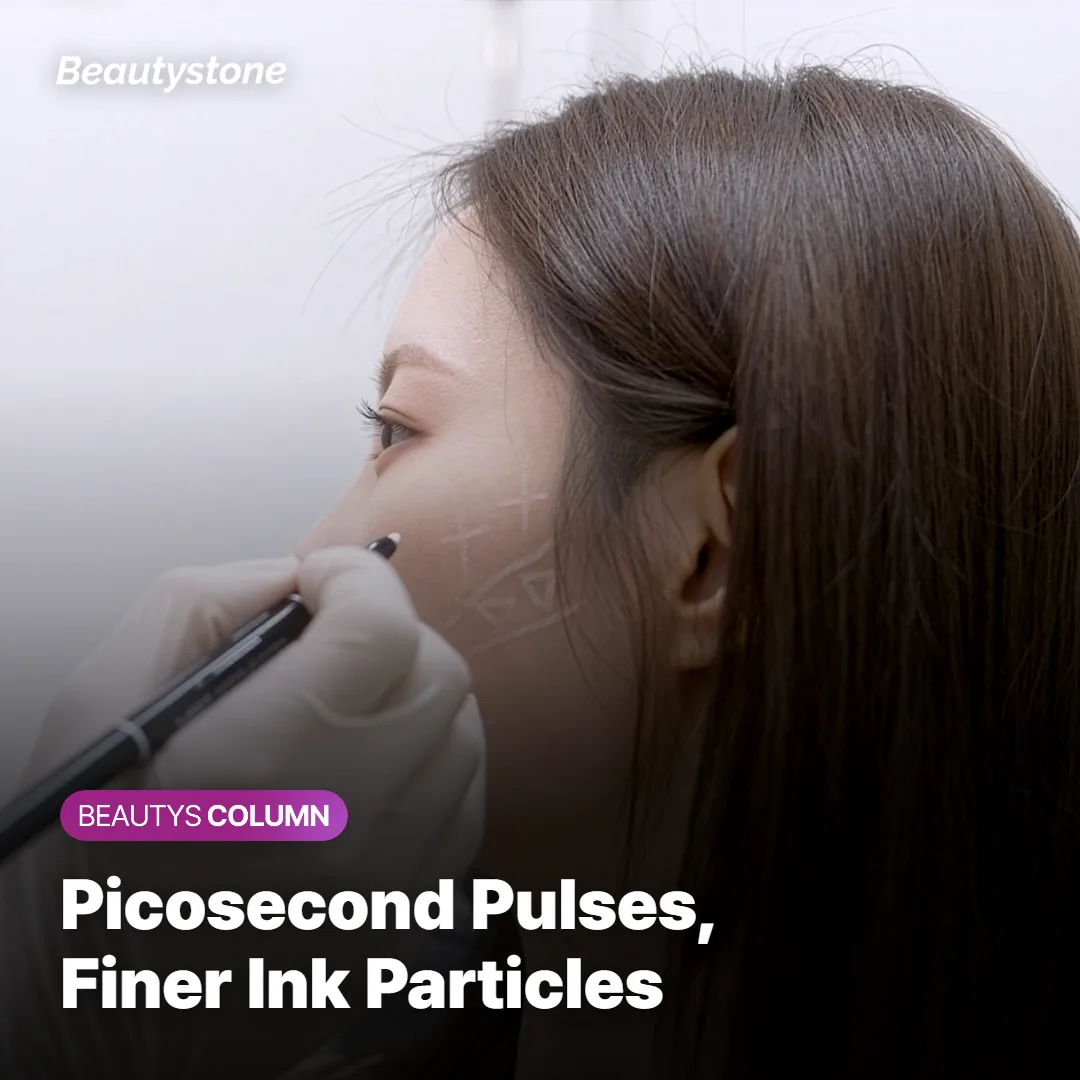
PicoWay is a picosecond laser, meaning it fires energy in pulses measured in trillionths of a second — far shorter than older nanosecond tattoo lasers. That short a pulse delivers a photomechanical shock to the ink rather than a slow burn, which matters for two reasons.
- Less heat reaches the surrounding skin. Because the pulse is so brief, there's less time for heat to spread, which typically means a lower risk of burns or scarring compared with older technology.
- Ink particles break into smaller pieces. The shorter the pulse, the finer the ink shatters, and finer particles are easier for your immune system to recognize and clear.
Your provider will typically pass the laser over the tattoo once or twice per session, watching for a light frosting on the skin that signals the ink has fractured. That frosting fades within about twenty minutes, and the real work happens over the following weeks as your lymphatic system quietly hauls the debris away.
What to Expect: The Removal Timeline
Most clinics space PicoWay sessions four to eight weeks apart, and that gap isn't arbitrary. Your body needs real time to process the ink fragments from the last session before it makes sense to add more. Here's roughly how a single round tends to go.
- Day of treatment: Mild stinging during the pass, followed by redness and light swelling that usually calms down within a few hours.
- First 48 hours: The treated area may look slightly raised or blistered. Keeping it clean and protected matters more here than any other step.
- 1–4 weeks: Visible fading as your body clears the broken-down ink. This is where most of the "wow, it's actually lighter" moments happen.
- Ongoing sessions: Repeat every several weeks until the color has faded to your goal, or as close as the ink allows.
Total sessions vary a lot from person to person — some tattoos respond in three or four rounds, others need eight or more. Ink density, depth, and coverage area all play a bigger role than most people expect going in.

Why Older Tattoos Sometimes Respond Better
Here's the part that surprises a lot of people: a tattoo that's been sitting for a decade or more sometimes fades faster than one done six months ago. Ink that's had years to settle has usually already dispersed a little and lightened on its own, so there's simply less pigment left to break down.
A tattoo that's fresh and dense, by contrast, is often packed with more concentrated ink, which can mean more sessions before you see the kind of fading you're hoping for. The idea that "it's too old, it won't come off" doesn't really hold up — age on its own isn't the obstacle people assume it is.
Why Ink Color Changes the Difficulty
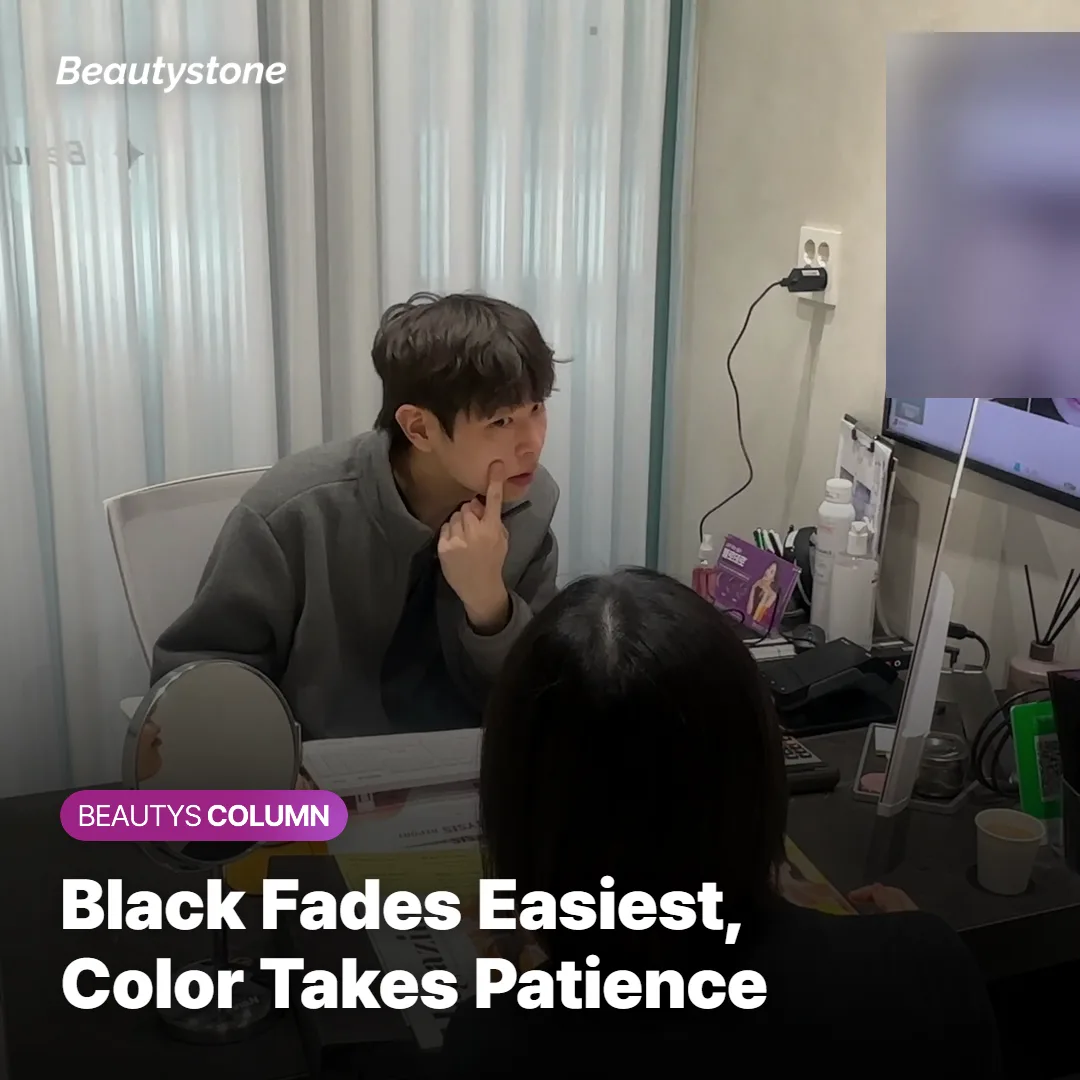
Not all colors respond the same way to laser energy, and this tends to matter more than tattoo age. Black ink absorbs the widest range of wavelengths, which is why it's usually the most straightforward color to treat. Reds, yellows, and whites are pickier — they only respond well to specific wavelengths, so your provider needs to choose settings carefully.
White ink deserves a specific mention: it can develop something called paradoxical darkening, where the treated area actually looks darker for a while afterward instead of lighter. That happens because of a chemical change in the pigment itself when it's heated, and it usually settles down over subsequent sessions, though your provider should walk you through it before you start.
If your tattoo mixes several colors, expect your provider to treat it in stages, sometimes switching wavelengths within the same appointment to address each pigment on its own terms.
Side Effects and Risks to Know
Redness, swelling, and mild blistering are common after a PicoWay session and usually settle within a few days to a week. Some pinpoint bleeding right after treatment is normal too. Keeping the area clean, avoiding sun exposure, and skipping picking at any scabs all go a long way toward a smooth recovery.
Temporary changes in skin tone — either lighter or darker than the surrounding skin — can happen, especially in people with deeper skin tones, and typically fade over weeks to months. True scarring is uncommon with picosecond lasers compared with older devices, but it isn't impossible, particularly if aftercare instructions aren't followed closely. If you notice spreading redness, fever, or a wound that isn't healing the way it should, contact your provider right away rather than waiting it out.
Individual results vary based on your skin, your ink, and how your body responds — a good provider will set realistic expectations at your consultation rather than promising a specific outcome up front.
How Much Does PicoWay Tattoo Removal Cost?
Pricing for PicoWay tattoo removal isn't one flat number — it depends on the size of the piece, how many colors are involved, and how many sessions your ink is likely to need. A small single-color tattoo will cost far less per session than a large multicolor piece, and the total price really comes down to the full course of treatment rather than any one visit.
Because per-session pricing varies so much by clinic and by tattoo, a consultation is really the only reliable way to get a number that applies to your specific piece. Beautystone, a dermatology clinic in Seoul's Hapjeong area, publishes current offers at /en/promotion if you want a starting point before you come in.
The Bottom Line
Old tattoos generally do fade with PicoWay, and in some cases they respond even better than newer ones because the ink has already begun to settle. What doesn't change is the timeline: this is a multi-session process built around your body's own ability to clear broken-down ink, spaced out over weeks rather than crammed into a single visit.
Like any laser procedure, it comes with real trade-offs — some discomfort, a recovery window after each session, and results that depend on your specific ink and skin. Ultimately, how many sessions you'll need and how it'll feel for you depends on your tattoo, your skin, and your goals.
If you're curious whether your old tattoo is a good candidate, a consultation is the best way to find out what fits you. Beautystone is a dermatology clinic in Seoul's Hapjeong area — see current offers at /en/promotion.
Frequently Asked Questions
Q1. Does PicoWay tattoo removal hurt?
Most people describe it as a series of quick, sharp pinches rather than constant pain. Numbing cream is typically applied beforehand, and the sensation eases up quickly once the pass is done.
Q2. How many sessions will I need to fade an old tattoo?
It varies widely depending on ink color, depth, and size — some tattoos fade in three or four sessions, while dense or multicolor pieces can need eight or more, spaced weeks apart.
Q3. How much does PicoWay tattoo removal cost?
Cost depends on the size and number of colors in your tattoo, plus how many sessions your ink is likely to need. A consultation is the most reliable way to get pricing for your specific piece.
Q4. When will my skin look normal again after a session?
Redness and swelling usually settle within a few days to a week. Any temporary skin tone changes tend to fade over weeks to months as the area continues to heal.

