

Tattoo Removal Timeline: What's Realistic?
If your interview or wedding is only months away, full tattoo removal usually isn't realistic — but fading it enough to stop drawing attention often is. Here's what actually decides the timeline.

If you've got a job interview lined up and a visible tattoo you're suddenly rethinking, you're not alone. It's one of the most common questions people bring to a consultation once an interview date, a new office dress code, or a wedding shows up on the calendar: can this actually be gone in time? Search around and you'll see wildly different answers — some say eight sessions and you're done, others say a year minimum — and then a consultation tells you "it depends." In this article, we'll cover why session spacing can't be rushed, how much tattoo location changes your timeline, and what a realistic first goal looks like when your deadline is tight.
How Fast Can You Actually Fade a Tattoo Before a Deadline?
Here's the direct answer: fully clearing a tattoo in just a few months is unusual, but fading it enough that it stops drawing attention is realistic in a lot of cases. The laser session itself is quick — a small tattoo can take five to ten minutes — but the process that actually removes the ink happens between sessions, not during them, and that part can't be sped up on demand.
That gap between what people expect and what the timeline allows is where most of the frustration comes from. If your interview or wedding is six months out, the honest goal usually isn't "spotless skin." It's a faded mark that a sleeve, a watch, or a bit of makeup can handle without much effort.
Why Laser Sessions Are Spaced 6 to 8 Weeks Apart
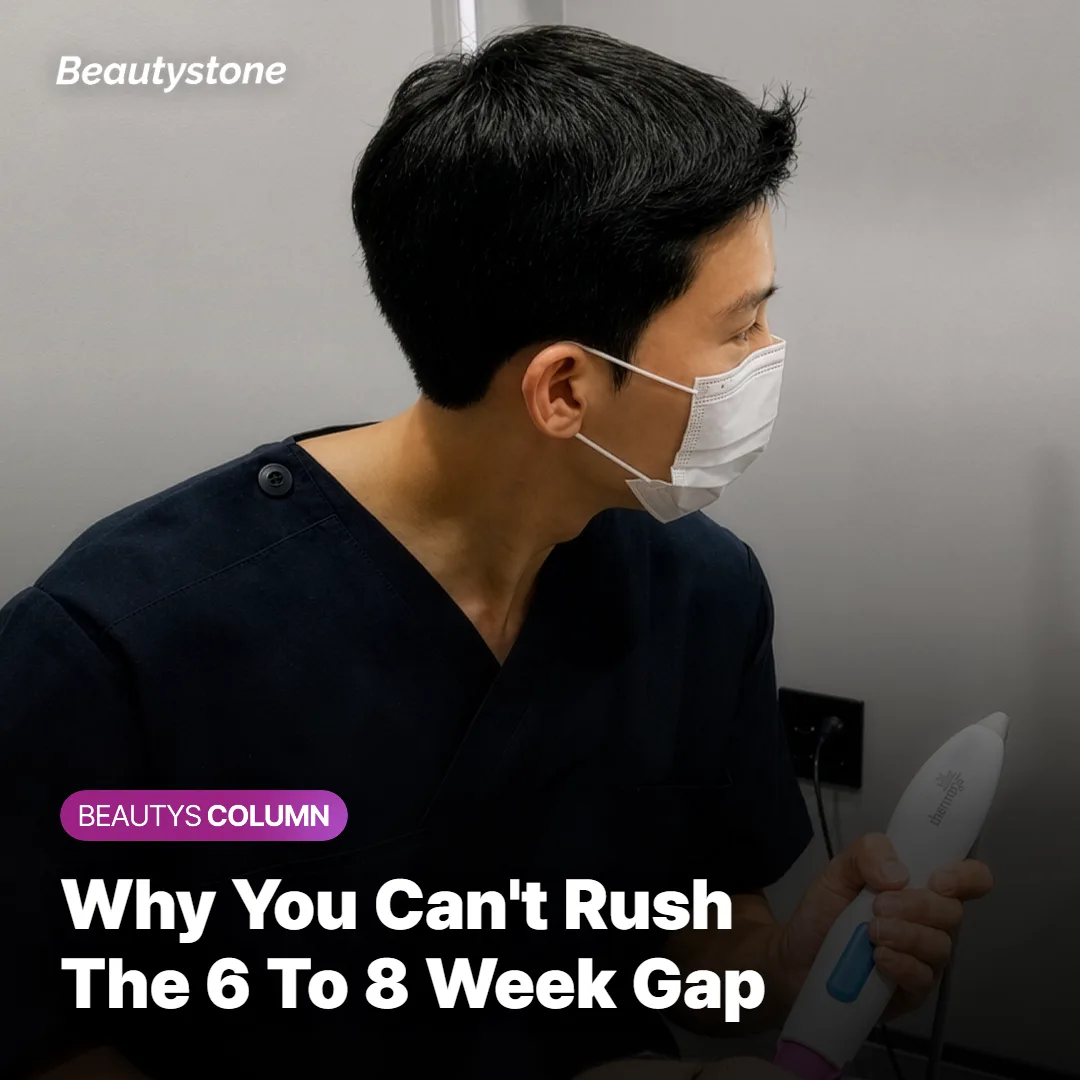
Providers typically space tattoo removal sessions six to eight weeks apart, sometimes closer to three months for larger or darker pieces. That's not an arbitrary rule — it's how long your immune system needs to clear out the ink particles the laser just broke apart.
A tattoo removal laser shatters pigment into fragments small enough for immune cells to carry away gradually. Cramming sessions closer together doesn't speed that cleanup up; it mostly just re-irritates skin that hasn't finished healing, which can lead to more redness or discoloration without meaningfully changing how much ink is actually gone.
Run the math on a typical eight-session plan and you're looking at close to a year from start to finish, spacing included. That's the ceiling most people are working against, and it's why starting early matters more than almost anything else on this list.
Does Tattoo Location Change How Fast It Fades?
Yes — and the difference can be significant. Areas closer to your heart tend to have better blood flow, and immune cells travel through blood, so ink on your chest, upper arms, or back typically clears faster than ink on your hands, feet, or lower legs.
That's actually good news if your concern is interview-visible ink: wrists and necks, the areas people worry about most for a dress code, tend to respond faster than ankles or the tops of hands. If your tattoo is on a slower-clearing area, it's worth building in extra time rather than assuming the same number of sessions will get you the same result.

What's Realistic With Only 3 to 6 Months Left
A three-to-six-month window usually allows for two to four sessions, which changes what goal makes sense. Instead of aiming to erase the tattoo outright, most providers will talk through fading it enough to cover easily with a sleeve, a collar, or light makeup.
In a lot of cases, that's genuinely enough — a piece that's faded by even 30 to 50 percent reads very differently under office lighting than it did at full saturation. It's also worth planning around timing: skin typically needs about a month after a session to settle, so a session the week before your interview can leave you dealing with swelling or a scab at exactly the wrong moment.
Setting the Right Goal: Faded and Coverable, Not Fully Gone
Most people start out wanting the tattoo completely gone. Once the timeline sets in, though, "no longer noticeable" tends to become the more useful target — and often the faster one to reach.
That's partly because the last stretch of any removal plan is the slowest. Getting from faint to invisible usually takes more sessions than getting from vivid to faint, so chasing full removal on a tight deadline can leave you exhausted well before you're actually done.
- In three to six months: aim for faded and easy to cover, not spotless.
- Faster-clearing areas: wrists and necks tend to lighten sooner than ankles or hands.
- Timing beats intensity: starting early does more for your outcome than trying to compress the schedule later.
If a deadline is driving the decision, it helps to say so at your consultation. Telling your provider "I need this to not stand out by my interview" — rather than "I want it gone" — usually gets you a session plan that's built around what's actually achievable.
Side Effects & Risks: What to Expect After Each Session
Redness, mild swelling, and a light scab are common in the days right after a session, and they usually settle within a week or two on their own. Some people also see a temporary whitish "frosting" right after treatment that fades within hours.
Picking at a scab or shortening the gap between sessions is where most avoidable problems come from — both can leave the skin more prone to discoloration without actually clearing the ink any faster. If you notice spreading redness, fever, or pus, that's not typical healing, and it's worth contacting your provider right away rather than waiting it out.
As with most cosmetic procedures, individual results and healing speed vary by skin tone, tattoo age, ink color, and how closely aftercare instructions are followed, so don't be surprised if your timeline looks a little different from a friend's.
The Bottom Line
Here's the short version:
- Fully clearing a tattoo in three to six months is uncommon, but fading it enough to stop drawing attention is a realistic goal.
- Session spacing of six to eight weeks exists because your immune system needs that time, and compressing it tends to backfire.
- Tattoo location changes your timeline — areas like wrists and necks generally fade faster than ankles or hands.
Like any procedure, tattoo removal comes with trade-offs, and rushing it rarely pays off. Ultimately, the right plan depends on your tattoo, your timeline, and your skin. If you're working against a deadline, a consultation is the best way to find out what's realistic for you — Beautystone is a dermatology clinic in Seoul's Hapjeong area, and you can see current offers at /en/promotion.
Frequently Asked Questions
Q1. Can a tattoo be completely removed in 3 to 6 months?
It's uncommon, especially for larger or darker pieces, since your immune system needs six to eight weeks between sessions to clear the ink. A tight three-to-six-month window usually allows for two to four sessions, which is often enough to fade a tattoo to the point that it's easy to cover, but full removal in that time isn't typical.
Q2. Does getting sessions closer together speed up removal?
No — providers generally recommend against it. Shortening the gap between sessions doesn't clear the ink any faster, since your body needs that time to break it down; it mostly just adds irritation and raises the risk of discoloration. Sticking to the recommended spacing tends to get you a cleaner result faster than trying to compress it.
Q3. Can I go straight from a session to an interview the next day?
It's best to avoid scheduling a session right before something important. Redness, swelling, and a scab are common for the first one to two weeks afterward, and treating too close to an interview can mean showing up with visibly healing skin instead of the fading you were hoping for.
Q4. Does where the tattoo is on my body affect how fast it fades?
Yes. Areas closer to your heart, like the chest, upper arms, and neck, tend to have better blood flow and clear faster. Spots further from the heart, such as ankles, feet, and hands, generally take longer to fade even with the same number of sessions.

