Makeup After a Procedure: 3 Steps to Do It Safely
Wondering when you can put your makeup back on after a cosmetic procedure? The answer depends on what you had done — and how your skin is healing.

If you just left a treatment room and your first thought was "can I put makeup on before I go back to work?" — you're not alone. It's one of the most common questions patients ask before they even leave the chair.
The short answer? It depends entirely on what you had done. A treatment that barely touches the surface of your skin, like Botox, usually lets you wear makeup again within hours. A treatment that intentionally creates micro-injuries, like a fractional laser, needs several days before your skin barrier is ready for foundation and concealer. In this article, we'll cover how healing actually works, how long to wait for each common procedure, the right order to bring your routine back, and the signs that tell you your skin is ready — or isn't.
Why Makeup Timing Isn't One-Size-Fits-All
It's tempting to look for one universal rule — wait three days, wait a week, whatever a friend told you. But that kind of advice usually gets repeated without any context for which procedure it's actually about, and treatments are not interchangeable.
The real variable is how much your skin's surface was disrupted. Foundation, concealer, and color cosmetics contain pigments, emulsifiers, and preservatives that can irritate skin whose outer barrier (the thin outer layer that locks in moisture and keeps irritants out) hasn't fully closed back up yet. The less disruption a treatment causes, the sooner that barrier is intact enough to handle a normal routine again.
How Your Skin Actually Heals After a Procedure
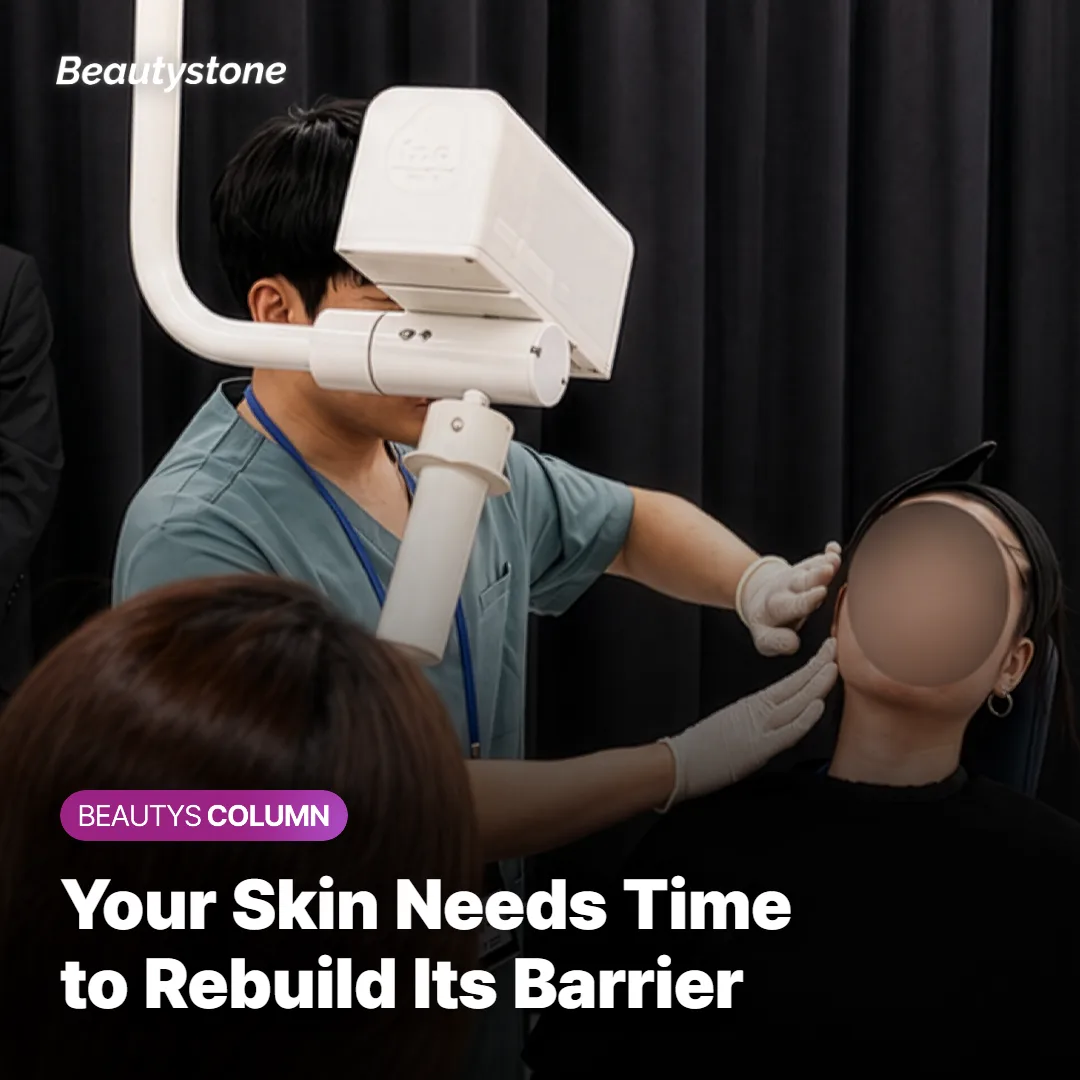
To understand why the waiting period varies so much, it helps to know what's actually happening under the surface. Treatments that leave micro-injuries — think laser resurfacing or a skin booster — need time for the epidermis, the outermost layer of skin, to rebuild itself over the injured area.
That rebuilding starts at the edges of the injury and works inward, and a thin, temporary layer of new skin is typically in place within about the first week. From there, that layer thickens and toughens up over the following weeks. Procedures that don't break the skin's surface at all, like Botox, skip most of this process — your skin barrier was never really disrupted, so once any injection-site redness calms down, you're largely in the clear.
How Long to Wait for Makeup, by Procedure
Here's a general timeline for common procedures. These are averages, not hard rules — your provider's specific aftercare instructions always take priority, and your own skin and the exact settings used can shift these windows earlier or later.
| Procedure | Base Makeup | Color Makeup | Note |
|---|---|---|---|
| Botox | Same evening to next day | Next day | Don't rub the injection site |
| Filler | Next day | Next day to 2 days | Avoid pressing on the injected area |
| Skin boosters | Next day | 2 to 3 days | Wait for pinpoint marks to settle |
| Non-invasive lifting (RF/ultrasound) | Same day to next day | Next day | Wait for warmth and redness to fade |
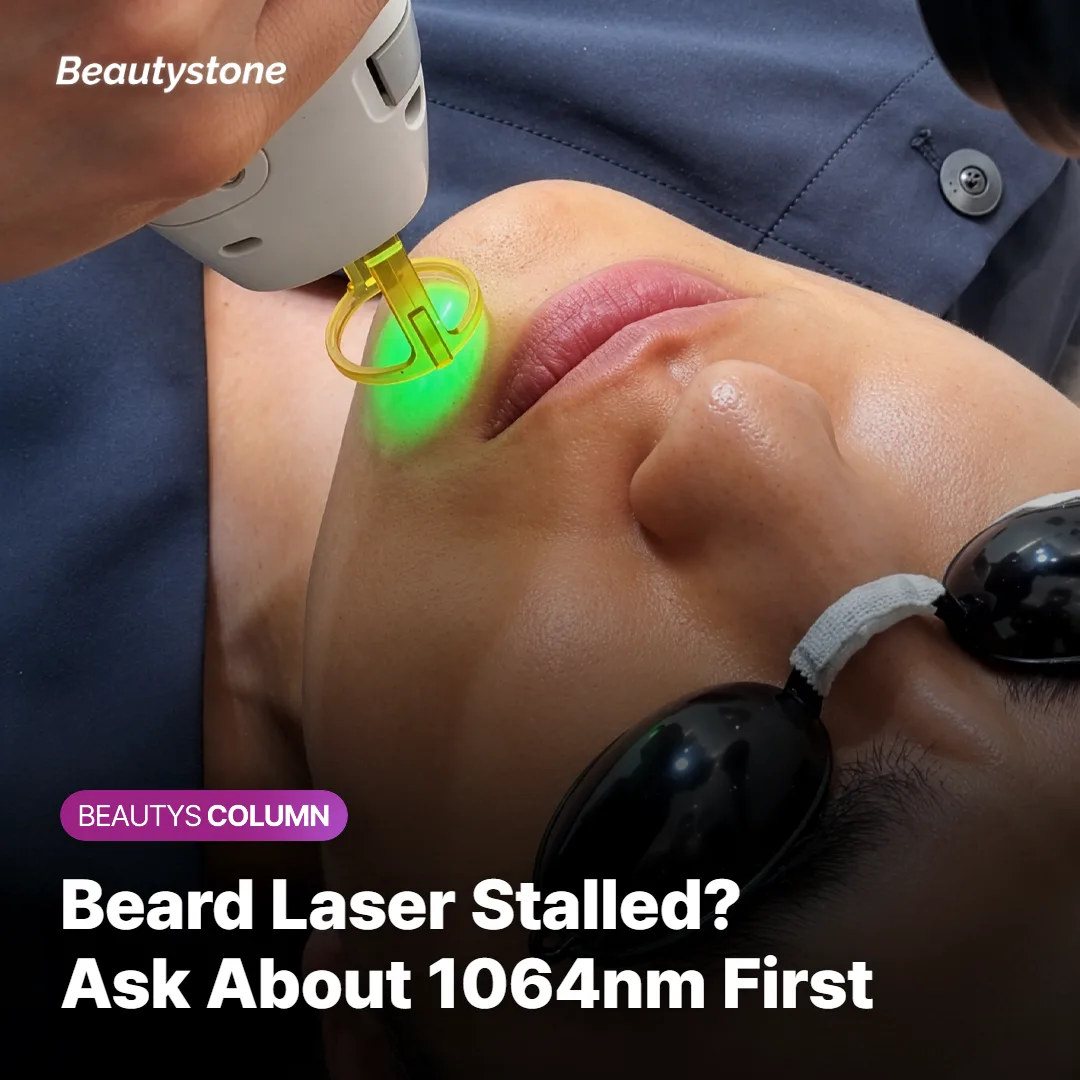
| Fractional laser | 3 to 5 days | 5 to 7 days | Wait until flaking has cleared |
| Ablative/resurfacing laser | After re-epithelialization | Per your provider | Confirm surface healing first |
Notice the pattern? The less your skin's surface was disrupted, the sooner makeup is back on the table. Botox and non-invasive lifting sit at one end, ablative laser sits at the other, and everything else falls somewhere in between.
The Right Order: Cleanse First, Then Base, Then Color
Once you're within your window, how you bring makeup back matters almost as much as when. Ease back in instead of jumping straight to a full face on day one.
- Base before color: Sunscreen and a light tinted moisturizer are usually fine earlier. Save heavier foundation, concealer, and eyeshadow for a day or two later.
- Cleanse without rubbing: Skip a harsh, foamy scrub over treated areas — pat products off gently instead. Hold off on long cleansing-oil massages for a few days too.
- Use clean tools: Swap in a freshly washed sponge or brush for any area that touched the treatment site, so you're not reintroducing bacteria.
- Go easy on active ingredients: Retinol and exfoliating acids like AHAs and BHAs are worth pausing for a few days while your skin settles.
Ingredients to Pause While You're Healing
Even people who use retinol or acids every night without issue should back off right after a procedure. Newly sensitive skin reacts differently than skin that's fully healed, and that's true no matter how well your skin usually tolerates actives.
Retinol (a vitamin A derivative used for texture and fine lines) and other retinoids can cause redness, flaking, and dryness on their own, and they make skin more sensitive to the sun — which matters even more when your barrier is already working overtime. Layering that kind of irritation on top of a healing procedure site can slow things down rather than speed them up.
- Retinol and retinoids: Pause for at least a few days, longer after resurfacing procedures.
- AHAs and BHAs: Hold off until any redness and sensitivity have settled.
- Fragranced or heavily active skincare: Stick to a simple, gentle routine while you heal.
Safety Signs: When Your Skin Is (and Isn't) Ready for Makeup
A calendar date is a helpful starting point, but your skin's actual signals are more reliable. You're generally in good shape to ease back into makeup if you notice all of the following:
- No oozing or scabbing: any treated laser area has closed over smoothly.
- Redness and heat have calmed down: the area doesn't feel warm to the touch.
- Injection-site swelling is gone: filler or skin booster marks have flattened out.
- No tightness or stinging: skincare products go on without discomfort.
On the other hand, hold off — and check in with your provider if things aren't improving — when you notice any of these:
- Ongoing oozing or scabs that keep reopening: the surface hasn't finished healing.
- Redness, swelling, or heat that's getting worse instead of better: this can point to infection.
- Pain that's increasing rather than easing up.
- Pus, yellow discharge, or fever: seek medical care right away.
Your skin is more sun-sensitive than usual while it heals, so once you do start wearing makeup again, sunscreen deserves top priority — even more than the color products layered on top of it. It's tempting to rush back to your full routine, but giving your skin an extra day or two once it's actually signaling that it's ready tends to make for a smoother return, with less risk of a flare-up. This article covers general timing; for the schedule that fits your specific procedure and skin, your provider's guidance always comes first.

The Bottom Line
Makeup timing after a procedure really comes down to one question: how much did your skin's surface get disrupted? Here's the short version:
- Botox and non-invasive lifting: makeup is usually fine within a day.
- Filler and skin boosters: give it a day or two before color makeup.
- Fractional and ablative lasers: wait until flaking clears and your provider confirms you're healed.
- Cleanse gently, ease color back in slowly, and pause retinol and acids while you're healing.
Like most aftercare, there's some individual variation here — your skin, your provider's technique, and the exact settings used can all shift these timelines. If you're not sure whether your skin is ready, a quick check-in with the provider who treated you is the safest way to find out. Beautystone is a dermatology clinic in Seoul's Hapjeong neighborhood — you can see current treatments and offers at /en/promotion.
Frequently Asked Questions
Q1. Can I wear makeup the same day as Botox?
Often, yes. Because Botox doesn't break the skin's surface, many people can wear a light base once any injection-site redness settles, sometimes the same evening. Just avoid rubbing or massaging the treated area, and hold off on heavier color makeup until the next day.
Q2. How long after filler can I wear makeup?
Most people wait until the next day for base makeup and one to two days for color makeup. Filler can leave some bruising or swelling right at the injection site, so give that spot a little extra time and avoid pressing on it while it settles.
Q3. Is it okay to cover a fresh laser treatment with makeup?
Not right away. Fractional laser treatments typically need three to five days before base makeup and five to seven days before color makeup, since the skin's surface has micro-injuries that need to close over first. Ablative or resurfacing lasers need even longer — wait until your provider confirms the surface has re-epithelialized.
Q4. What if my skin breaks out after I start wearing makeup again?
Stop the color makeup and simplify your skincare down to a gentle cleanser and moisturizer for a few days. It's possible your skin wasn't quite ready for the added product load. If irritation doesn't calm down within a few days, or it gets worse, check in with the provider who treated you.