Keratosis Pilaris Explained: The Skin Science
If you've got small rough bumps on the backs of your upper arms that never quite go away, you're looking at one of the most common skin conditions dermatologists see. Keratosis pilaris is driven by biology, not hygiene — and understanding what's actually happening inside each follicle changes how you approach care.
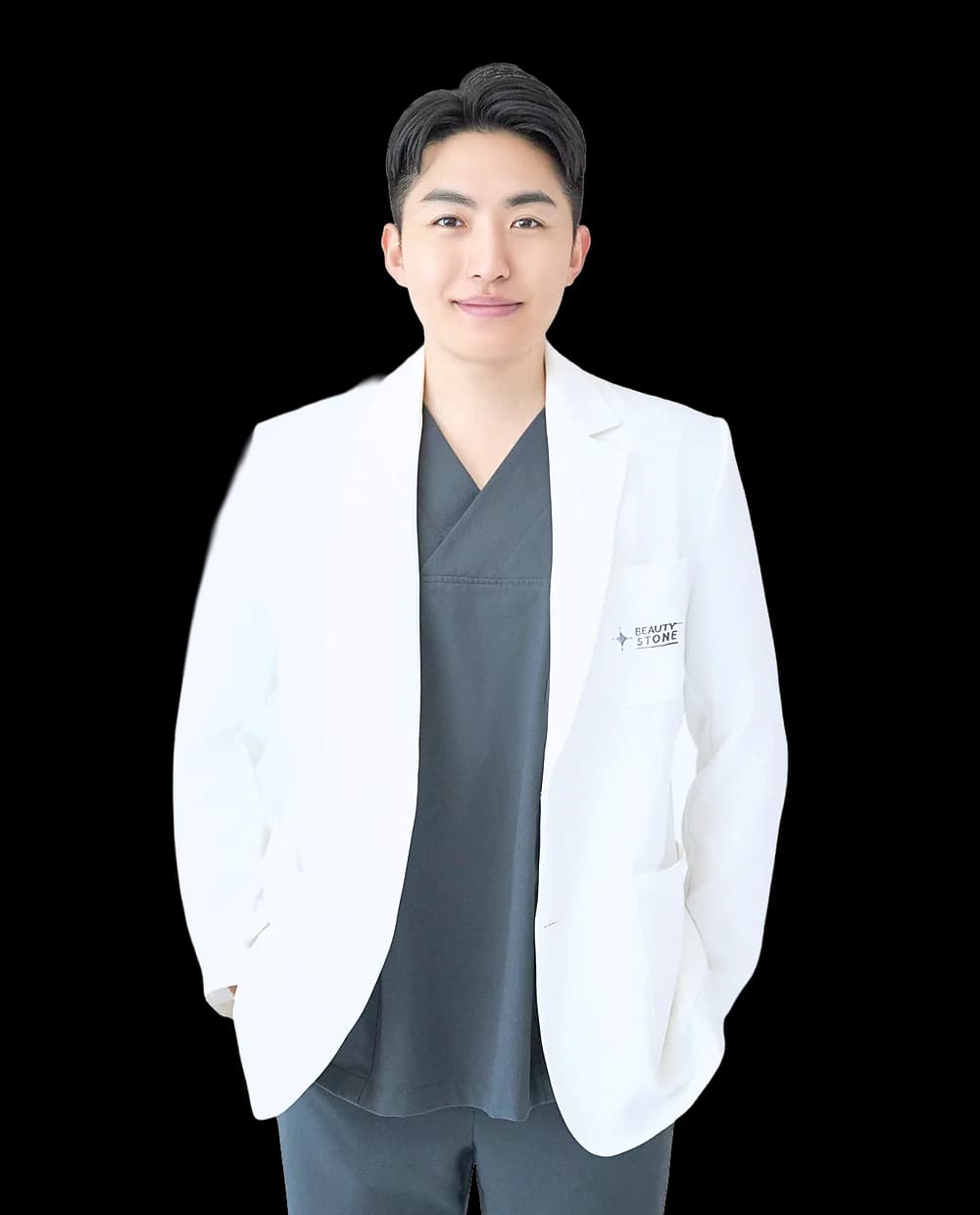
Wi Young-jin
Chief Director & CEO, Myeongdong
Those small, rough bumps on the backs of your upper arms have a name: keratosis pilaris. Most people discover them in adolescence and spend years trying to scrub or wash them away. Neither works very well — and once you understand why, the whole condition starts to make more sense.
In this article, we'll walk through what keratosis pilaris actually is at the biological level, what's happening inside each follicle, why the condition behaves the way it does, and what the skin science tells us about managing it. No product lists — just the mechanism.
What Is Keratosis Pilaris, Exactly?
Keratosis pilaris — often abbreviated KP — is a follicular skin condition in which keratin, the structural protein that forms the outer layer of skin, accumulates inside the opening of individual hair follicles. Each plug pushes slightly outward, creating the characteristic rough, sandpaper-like texture most noticeable on the outer upper arms, though the thighs, cheeks, and buttocks are also common sites.
The condition is benign and extremely common. Conservative estimates suggest it affects between 50 and 80 percent of adolescents and roughly 40 percent of adults, with symptoms often easing somewhat after the mid-twenties. It's not contagious, not caused by poor hygiene, and not a sign of nutritional deficiency.
KP has a strong hereditary component. If one or both of your parents had it, your chances of having it are considerably higher. The gene most consistently associated with KP encodes filaggrin — a protein that plays a central role in how skin cells mature and in maintaining the barrier function of the skin's outer layers. Mutations or variants in this gene are also linked to atopic dermatitis, and KP does appear more frequently in people with eczema, though the two are distinct conditions.
The bumps themselves are typically flesh-colored or slightly white. When the skin around the follicle becomes inflamed — from friction, heat, or a harsh product — they appear redder and feel more pronounced. That inflammatory layer is what makes KP look worse after aggressive treatment.
Inside the Follicle: What's Actually Causing the Bump
To understand why KP behaves the way it does, it helps to know what's happening at the follicle level.
Each hair follicle is lined with keratinocytes — the cells that produce keratin. In normal skin, these cells mature in an orderly sequence, eventually shedding from the follicle's surface as dead skin cells. In KP-affected follicles, that process goes slightly off-script. The keratinocytes inside the follicle opening differentiate abnormally, producing excess keratin that compacts into a plug rather than shedding cleanly.
Research published in a peer-reviewed dermatology context confirms that abnormal keratinocyte differentiation and follicular hyperkeratosis — the technical term for this excess keratin accumulation — are the primary drivers of KP lesions (PMC12971096). The plug sits at and just inside the follicle opening. The small bump you feel when you run your fingers across the skin is the plug pushing outward from that location.
The hair inside the follicle is often trapped beneath this plug. In some cases it curls back on itself, which can contribute to the mild redness around the follicle. That pinkish halo — called perifollicular erythema — is what gives KP its characteristic look on lighter skin tones, and can appear as darker hyperpigmentation on deeper skin tones.
Why the Condition Behaves the Way It Does
Understanding the follicular biology explains several things about KP that otherwise seem puzzling.
Why it doesn't respond to scrubbing. Physical scrubbing exfoliates the topmost dead skin cells on the surface. The KP plug isn't at the surface — it's inside and at the opening of the follicle. A gritty body scrub grazes over the bump without reaching the compacted keratin inside. What it does reach is the already-mildly-inflamed skin around each follicle, adding mechanical irritation that worsens the redness without clearing the plug. This is why many people find their KP looks angrier, not better, after scrubbing.
Why chemical exfoliants work better. Alpha-hydroxy acids like lactic acid and glycolic acid, and urea at concentrations of around 5–10%, work by breaking the bonds between dead skin cells rather than abrading the surface. These agents can penetrate to the follicle opening and soften the compacted keratin, allowing it to shed more normally. They address the mechanism rather than working around it. Consistent use over several weeks gradually reduces plug density and smooths texture, though individual results vary.
Why it fluctuates seasonally. KP frequently worsens in winter and improves in summer. Cold, dry air accelerates transepidermal water loss — the process by which moisture evaporates through the skin's outer layer — which makes the skin generally drier and can worsen follicular plugging. Higher humidity and more sun exposure in summer tend to soften the skin overall, reducing how pronounced the bumps look. This seasonal pattern is consistent with the condition's dependence on the skin's barrier environment.
Why it often improves with age. Hormonal changes in the mid-to-late twenties appear to influence keratinocyte behavior in ways that reduce KP severity for many people. Not everyone experiences this, but it's a recognized pattern — dermatologists often reassure younger patients that the condition may become less noticeable over time.
Managing KP: What the Skin Science Suggests
There's no single treatment that clears KP permanently. It's a structural tendency rather than an infection or deficiency, so management means working with the skin's biology consistently, not correcting an underlying problem once.
Chemical exfoliation is the cornerstone. Lactic acid, glycolic acid, and urea are the most studied and widely used options for KP. They reach the follicle opening and soften the keratin plug rather than abrading the surface. Improvement typically requires four to eight weeks of consistent daily use. Starting with a lower concentration is advisable if the skin is currently inflamed from previous scrubbing — allowing the barrier to recover first helps the actives work better.
Moisturizing supports the barrier. KP-affected skin tends to lose water more readily than average, partly because the follicular plugging disrupts the normal surface architecture. A ceramide-based or fatty acid-rich moisturizer applied after an active product helps maintain hydration between applications. The American Academy of Dermatology considers consistent moisturizing a foundational step in KP management — supportive rather than curative, but important.
Cleanser matters. Foaming body washes with harsh surfactants can strip the skin's barrier, worsening the dryness that exacerbates KP. A gentle, fragrance-free wash that doesn't leave skin feeling tight is a more compatible foundation for an active routine.
Avoid layering acid products. Using a lactic acid body lotion and a glycolic acid spray on the same area doesn't double the effect — it doubles the irritation risk without proportionally improving results. One well-chosen active applied consistently outperforms two competing products used erratically.
Side Effects and Safety Considerations
Most home care for KP is low-risk, but a few patterns are worth knowing before you start.
AHA irritation is possible. Lactic acid and glycolic acid can cause stinging, especially when applied to skin that's already inflamed. Starting every other day and moving to daily use once the skin has adapted reduces this. Mild tingling that clears within an hour is generally normal. Redness that persists, spreads, or is accompanied by itching or swelling is a signal to stop and reassess. If symptoms worsen or spread, seek medical care right away.
Urea can sting on compromised skin. Products formulated specifically for KP typically stay in a well-tolerated concentration range. Higher-concentration urea products designed for foot care or calluses are not appropriate for KP on the upper arms — they're too strong for that skin.
Don't pick at the plugs. It's tempting, particularly when a plug feels close to the surface. Picking introduces bacteria, breaks the skin, and can cause post-inflammatory hyperpigmentation — dark spots that linger long after the plug itself would have cleared. That residual discoloration is often harder to address than the KP itself.
Know what KP isn't. KP has a fairly distinctive presentation — small, non-painful follicular bumps in typical locations. But if your bumps are painful, unusually large, accompanied by discharge, or suddenly widespread in an atypical location, have them evaluated by a dermatologist. Follicular conditions such as folliculitis can look similar but have different causes and require different treatment. Individual results from any care approach vary.
When Home Care Isn't Enough
For most people with mild to moderate KP, consistent chemical exfoliation and moisturizing produce meaningful improvement within two to three months. If you've maintained that routine and aren't seeing results, or if the redness component is significant enough to bother you cosmetically, a dermatologist visit opens additional options.
Prescription retinoids — topical vitamin A derivatives — influence keratinocyte differentiation more directly than OTC exfoliants, addressing KP closer to its root cause. They can cause initial irritation and require consistent use over several months, but for persistent KP they tend to outperform OTC acids alone.
Professional chemical peels using higher concentrations of the same acids used in OTC products are another option, accelerating the smoothing process with a more intensive single application. These are typically worth considering when OTC care hasn't moved the needle after a genuine sustained attempt.
If you're in Seoul, Beautystone is a dermatology clinic in the Hapjeong area — see current options at /en/promotion.
The Takeaway
Here's what the biology tells us in brief:
- KP is structural, not hygiene-related. Excess keratin accumulates inside follicle openings due to abnormal keratinocyte differentiation — a pattern driven by genetics, not cleanliness.
- Physical scrubbing addresses the wrong layer. The plug sits at the follicle opening, not on the skin surface. Scrubbing adds friction to already-irritated tissue without reaching the actual problem.
- Chemical exfoliation works with the mechanism. Lactic acid, glycolic acid, and urea soften the keratin plug from the follicle opening outward. Results come from consistency over weeks, not intensity in one session.
- The barrier environment matters. Dry skin worsens KP. Moisturizing isn't optional — it supports the skin's architecture so active ingredients have a better environment to work in.
KP is a long-term management project, not a quick fix. The biology doesn't change; how well you work with it does. If consistent home care hasn't moved the needle after two to three months, a dermatologist can point you toward prescription options that work closer to the root cause. Talk to your provider if you have questions about what's right for your skin.
Frequently Asked Questions
Q. Is keratosis pilaris caused by dry skin?
A. Not exactly. Dry skin can make KP look and feel worse — it worsens follicular plugging and reduces how smoothly the skin surface appears — but the underlying cause is abnormal keratinocyte differentiation inside the follicle, which is primarily genetic. People with well-hydrated skin can still have active KP; people with chronically dry skin don't always develop it. Keeping the skin moisturized is a management tool, not a cure.
Q. Why does keratosis pilaris sometimes improve in summer?
A. Higher humidity reduces transepidermal water loss, keeping skin more hydrated overall. More sun exposure also tends to soften the skin surface. Both factors reduce how pronounced KP looks without changing the underlying keratinocyte behavior. The reverse is true in cold, dry winter conditions — KP commonly flares during those months. This seasonal pattern is consistent with the condition's sensitivity to the skin's barrier environment.
Q. Can keratosis pilaris be cured permanently?
A. No — KP is a constitutional skin tendency driven by genetics and follicular keratin behavior. There's no treatment that corrects the underlying keratinocyte differentiation pattern and leaves the skin permanently clear. What's possible is meaningful long-term management: consistent chemical exfoliation and moisturizing can reduce texture and redness to the point where most people stop noticing it day to day. Stopping the routine tends to bring it back. Individual results vary.
Q. Does picking at keratosis pilaris bumps help remove the plugs?
A. No, and it actively makes things worse. Picking breaks the skin, introduces bacteria, and often causes post-inflammatory hyperpigmentation — dark spots that can persist for months after the spot heals. That residual discoloration is frequently harder to address than the original KP. The plugs that get dislodged by picking re-form quickly in people predisposed to KP, so there's no lasting benefit.