Laser Hair Removal in Summer: Is It Safe?
Summer sun doesn't rule out laser hair removal, but it does change how a provider approaches your treatment plan, and results take more than one or two sessions either way.

If you've been putting off laser hair removal because summer's around the corner, you're not alone. It's one of the most common questions patients ask before booking: can I even start now, or should I wait until fall? Right behind that question is another one — how many sessions am I actually signing up for? In this article, we'll cover how GentleMax Pro actually removes hair, why summer sun and tanning matter more than the calendar date, how many sessions it typically takes to see results, and when the smartest time to start really is.
What Is GentleMax Pro?
GentleMax Pro is an FDA-cleared laser platform made by Candela that combines two wavelengths in a single device: a 755nm alexandrite laser and a 1064nm Nd:YAG laser. Rather than being locked into one setting, a provider can switch between the two, or use both, depending on your hair thickness, treatment area, and skin tone. That flexibility is the whole point of the platform, and it's part of why it's used across a wide range of skin types.
How Does GentleMax Pro Actually Remove Hair?
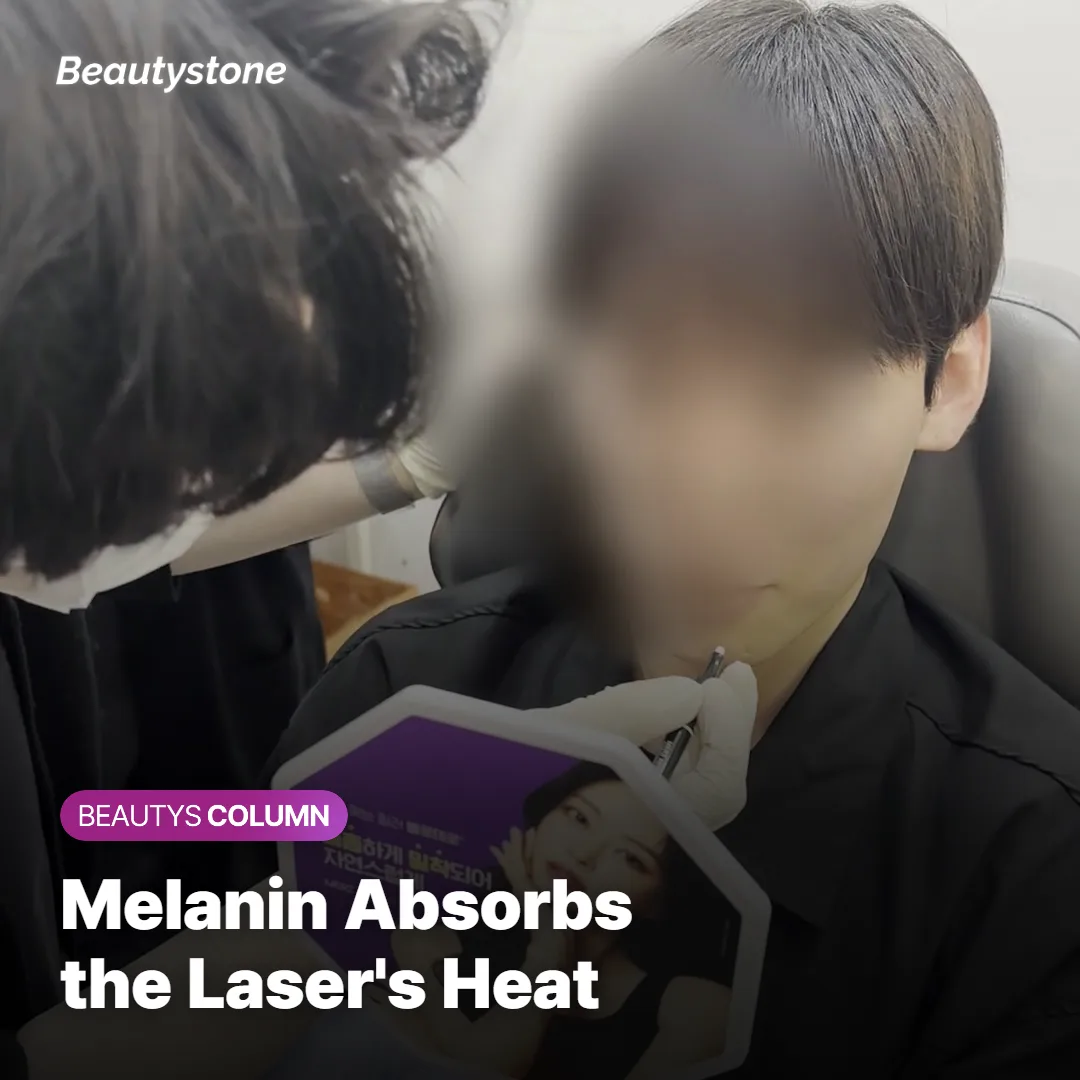
Every laser hair removal device, GentleMax Pro included, works on the same basic principle: the light is absorbed by melanin, the pigment inside your hair, and that light converts into heat. The heat travels down into the follicle and damages the structures that regrow hair, while the surrounding skin is left largely untouched.
Wavelength changes how that heat behaves. The 755nm alexandrite wavelength has a stronger pull toward pigment, which makes it efficient on finer hair, but it also means more of that energy tends to stay closer to the surface. The 1064nm Nd:YAG wavelength travels deeper and reacts less with surface pigment, so it's generally considered the safer pick for coarser hair or deeper skin tones.
There's a catch, though: the laser only affects hair that's actively growing. Hair cycles through growth and resting phases, and at any given time, only a portion of your follicles are in the growth phase the laser can target. That's the whole reason laser hair removal isn't a one-and-done treatment. It's built around repetition.
Is Summer a Bad Time to Start?
The short answer? It depends on how tanned your skin is, not the season itself. The real variable here is melanin, and summer just happens to be when most people's skin has the most of it.
When your skin tans, melanin builds up at the surface, not just inside your hair follicles. That means the laser's energy, especially at 755nm, which reacts more strongly with pigment, can get absorbed by the skin itself instead of staying focused on the follicle. A simulation study comparing how laser wavelengths penetrate skin of different tones found that shorter wavelengths produce a stronger pigment reaction but are more likely to concentrate heat near the surface, which is part of the mechanism behind burns and pigment changes on tanned or deeper skin.
That doesn't mean summer is off the table. It means providers typically adjust the wavelength and intensity based on how tanned you currently are, and they'll usually ask you to sit out a session if you've been in direct sun recently, think the days right after a beach trip, not a normal errand outside. Consistent sunscreen, both before and after your appointment, and being upfront about your tan level at your consultation go a long way toward keeping things safe.

How Many Sessions Will You Actually Need?
Because the laser only catches hair in its active growth phase, results build gradually rather than all at once. A study that alternated wavelengths every four to six weeks reported about a 75% reduction in hair count by the six-month mark, along with visibly thinner regrowth, not from one or two sessions, but from staying consistent over that stretch.
Spacing matters here more than frequency. Because only actively growing follicles respond, cramming sessions closer together doesn't proportionally speed things up. It mostly means the earlier session's hairs haven't had a chance to reach the growth phase yet. A four-to-six-week interval tends to line up better with how hair actually cycles.
| Factor | Typical Pattern | What to Know |
|---|---|---|
| Interval | About 4 to 6 weeks | Timed to the hair growth cycle |
| Session count | Multiple, spaced over months | One or two rarely covers it |
| Results timeline | Builds gradually | Progress shows up over months, not days |
| Maintenance | Occasional touch-ups | Depends on regrowth over time |
Your own timeline depends on the treated area, how coarse your hair is, and your skin tone, so a provider's estimate at your consultation will be more useful than a generic number.

Side Effects & Safety
Laser hair removal is considered low-risk when it's done by a trained provider, but that doesn't mean it's without any downsides.
- Common: Temporary redness, warmth, or mild stinging right after a session, usually settling within a few hours to a day.
- Less common: Temporary changes in skin color, more likely if the wavelength wasn't matched to a tanned or deeper skin tone.
- Rare: Blistering or burns, most often tied to recent sun exposure or settings that weren't adjusted for your skin.
If you notice blistering, spreading redness, or pain that gets worse instead of better, seek medical care right away. As with any laser procedure, individual results and reactions vary, so always disclose medications, skin conditions, and recent sun exposure at your consultation.
How Much Does It Cost?
Pricing for GentleMax Pro hair removal depends on the treatment area, how many sessions your plan includes, and the clinic you choose, so there isn't one number that fits everyone. Because results build over a series of sessions rather than a single visit, it's worth thinking of the cost as spread across a treatment plan rather than one upfront fee.
Beautystone is a dermatology clinic in Seoul's Hapjeong area, and a consultation is the best way to find out what a plan for your skin and hair would actually involve, see current offers at /en/promotion.
When's the Best Time to Start?
If results take months to show up regardless of season, the best time to start is whenever you can commit to showing up consistently, not necessarily whenever the sun is weakest. That said, planning around a low sun-exposure stretch does make the early sessions more straightforward, since you won't be working around a fresh tan.
Starting right before a beach vacation tends to backfire: you won't see meaningful results in time, and a burst of sun exposure right after treatment raises the risk of pigment changes. Building in a buffer, starting a few months ahead rather than a few weeks out, tends to be more realistic.
In the days before a session, most providers ask you to avoid strong sun and to shave the treatment area rather than wax or pluck it. Afterward, mild redness or stinging is common and usually settles quickly, and staying consistent with sunscreen helps protect the results you're working toward.
The Bottom Line
Whether you can start laser hair removal in summer comes down to how tanned your skin is at the time, not the calendar date. GentleMax Pro's two wavelengths give a provider room to adjust for that, but heavily tanned skin still raises the risk of burns and pigment changes.
- Results depend on treating hair repeatedly as it moves through its growth cycle, not on any single session.
- A four-to-six-week interval between sessions tends to line up with that cycle better than closer spacing.
- Tanned or sun-exposed skin raises the risk of side effects, especially with the shorter 755nm wavelength.
- Starting with a buffer, rather than rushing right before a trip, tends to lead to a smoother experience.
Like any procedure, it comes with trade-offs, and results vary from person to person. Ultimately, the right time to start depends on your skin, your schedule, and how consistently you can return for sessions. If you're considering GentleMax Pro hair removal, a consultation is the best way to find out what fits you. Beautystone is a dermatology clinic in Seoul's Hapjeong area, and current offers are listed at /en/promotion.
Frequently Asked Questions
Q1. Can I get GentleMax Pro hair removal if I have a tan?
It depends on how tanned your skin currently is, not the season. Heavily tanned skin absorbs more of the laser's energy at the surface, which raises the risk of burns or pigment changes, so providers typically adjust the wavelength and intensity, or ask you to wait, based on your tan level. Being upfront about recent sun exposure at your consultation is the best way to plan around it.
Q2. How many sessions does GentleMax Pro hair removal usually take?
Most people need several sessions rather than one or two, since the laser only affects hair that's actively growing at the time of treatment. Research on alternating-wavelength protocols has shown meaningful reduction and thinner regrowth by around the six-month mark with consistent sessions spaced a few weeks apart. Your own timeline depends on the treated area and how coarse your hair is.
Q3. Will booking sessions closer together speed up my results?
Not really. Because the laser only responds to follicles that are actively growing, cramming sessions closer together mostly means treating hair that hasn't reached that phase yet. A four-to-six-week interval tends to line up better with the natural hair growth cycle than a shorter gap.
Q4. What's the difference between GentleMax Pro's two wavelengths?
The 755nm alexandrite wavelength reacts strongly with pigment, which makes it efficient on finer hair, though more of that energy tends to stay near the surface. The 1064nm Nd:YAG wavelength travels deeper and interacts less with surface pigment, so it's often considered the safer choice for coarser hair, deeper skin tones, or tanned skin.