Does Cheek Filler Lifting Really Work?
If you've compared your cheek filler results to someone else's "dramatic" before-and-after and wondered what went wrong, the answer usually isn't the product. It's your bone structure.


Planning a trip to Seoul?
If you've scrolled through cheek filler before-and-afters and thought, "why didn't mine look like that," you're not alone. It's one of the most common frustrations we hear in consultations — someone gets the same amount of filler as a friend, in the same spot, and ends up with a noticeably smaller change. In this article, we'll cover what cheek filler lifting actually does, why the same syringe amount produces such different results, and how to figure out which category your own face falls into.
What Is Cheek Filler Lifting?
Cheek filler lifting uses hyaluronic acid (HA) filler placed at structural support points — the front of the cheekbone, the upper cheek, and sometimes along the jawline — to lift sagging tissue upward. That's a different job than standard volume filler.
Volume filler: fills in a hollow or flattened area, restoring what's missing.
Lifting filler: creates a structural shelf that tissue can rest on, so the effect is less about "filling" and more about "propping up."
Because of that difference, placement, depth, and volume matter less than a question most patients never think to ask: does your bone structure actually need the extra support? That's the variable that ends up driving most of the visible difference.
Why Does the Same Amount of Filler Look So Different on Different People?
The short answer? Cheekbone projection and how much cheek volume you've already lost matter more than the amount of filler injected. Two people can get exactly 1cc in the same spot and walk away with completely different outcomes.
If your cheekbones are naturally prominent and forward-projecting, your midface already has built-in support. Nasolabial folds (smile lines) tend to be shallower to begin with, because the cheek is already sitting up on bone. Add filler here and you'll usually see a real but modest change — not the dramatic transformation you saw in someone else's photos.
On the other hand, if you've had cheekbone reduction surgery, lost a noticeable amount of weight, or simply have a flatter, more recessed cheekbone structure to start with, that same 1cc reads very differently. There's no bony shelf holding the tissue up, so the filler itself becomes the support — and the whole midface can appear to lift at once.
It's also worth keeping in mind that most filler "reviews" you see online are self-selected. People post their best result, not their average one. So the visual bar you're comparing yourself to already skews toward the more dramatic end of the spectrum.
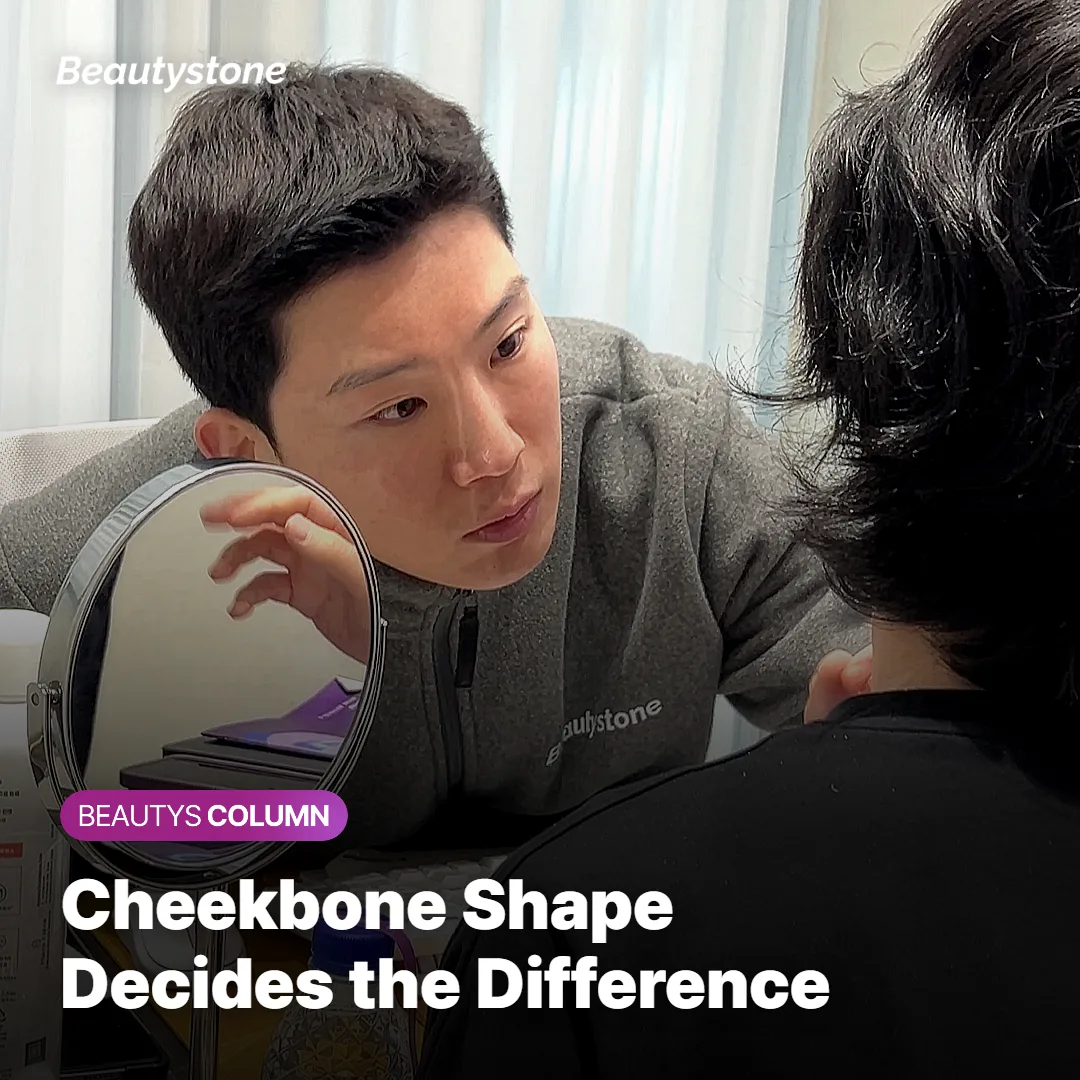
How Your Bone Structure Predicts Your Results
Here's a simple way to think about where your face is likely to land. Keep in mind these are general patterns, not guarantees — skin thickness, expression habits, and age all play a role too.
- Prominent, forward-projecting cheekbones: expect a subtle-to-moderate lift. The structural need is smaller, so the visible change is smaller too.
- Flat or recessed cheekbones (naturally, or after reduction surgery): expect a more noticeable change, since there's little existing bony support to compete with.
- Recent, significant weight loss: expect a fast, visible response — the cheek pad has lost its cushioning and the empty space fills in dramatically.
- Average-to-full cheek volume with age-related sagging: expect a gradual, more natural-looking lift over a couple of sessions rather than one big change.
One trick providers sometimes use in consultations: inject just one side first — say, 0.3cc in one upper cheek — and have the patient look in the mirror before doing the other side. Seeing the asymmetry side by side is a far more accurate preview than trying to imagine "more volume" in the abstract. If you're on the fence about how much of a difference you'll actually see, ask your provider about doing a single side first.
What to Expect: Timeline, Touch-Ups, and How Long It Lasts
How long results last isn't one number — it depends heavily on where the filler sits and how much that area moves.
| Area | Typical Duration | Why |
|---|---|---|
| Upper cheek / side of cheekbone | 12–18 months | Low movement, deep placement on bone |
| Nasolabial folds / mouth corners | 8–12 months | Constant movement from expressions |
| Chin | Up to ~2 years | Sits directly on bone, minimal movement |
One pattern we see often: someone comes in a year after their first treatment wanting "more" filler, but on exam, 60–80% of the original volume is still there. Layering a full new syringe on top of that leftover volume is exactly how cheeks start to look overfilled by year two or three. In cases like this, a smaller top-up — a fraction of a syringe rather than a full one — tends to look more natural than starting fresh.
That's really the core of the touch-up conversation: a clinic that automatically recommends a full syringe every year isn't accounting for what's already sitting under your skin. Ask your provider to actually check remaining volume before deciding how much to add back.

Side Effects & Risks
Bruising and mild swelling are common and usually settle within a few days to a week. That part is fairly predictable and applies to almost everyone, regardless of technique.
The rarer but more serious risk is vascular occlusion — filler accidentally compressing or entering a blood vessel, which can compromise blood flow to the skin. It's uncommon, but it's not zero, which is exactly why technique matters as much as the product itself.
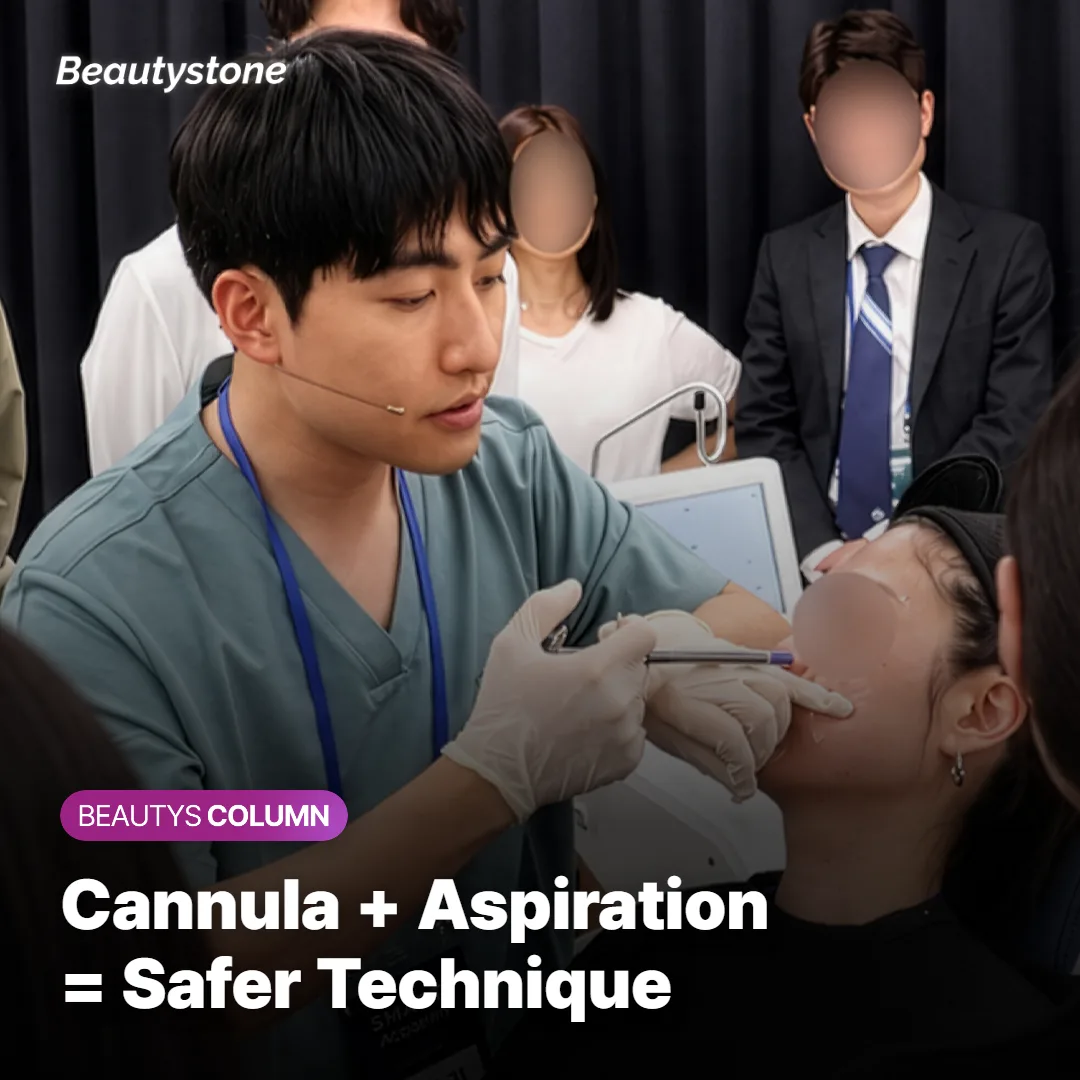
- Cannula technique: a blunt-tipped cannula is generally considered safer than a sharp needle for these deeper structural injections.
- Aspiration testing: checking for blood return before injecting to help avoid vessels.
- Hyaluronidase on hand: an enzyme that can dissolve HA filler quickly in an emergency, so it should always be available on-site.
If you notice spreading discoloration, blanching, worsening pain, or skin that looks dusky rather than simply bruised, seek medical care right away — these can be early signs of a vascular problem and are treated as urgent.
One more thing that's technically not a "side effect" but shows up in the same conversation: overfilled, distorted-looking cheeks later on are usually a treatment-planning issue, not a complication. It comes from repeated layering without accounting for what's already there, rather than anything going wrong during a single session.
How Much Does It Cost?
Pricing for structural cheek filler varies by clinic, the brand of filler used, and how many syringes your face actually needs — which, as covered above, depends a lot on your bone structure. Someone with recessed cheekbones might need less filler than expected to see a big change, while someone with prominent cheekbones may need more to see any change at all.
Rather than budgeting for a single big session, it's more realistic to plan for an initial treatment plus a smaller touch-up down the line — since, as the maintenance section above explains, adding a small amount to leftover volume is usually enough. A consultation is really the only reliable way to get a number that applies to your face specifically — see current offers at /en/promotion.
The Bottom Line
Here's the recap: cheek filler lifting works by giving sagging tissue a structural shelf to rest on, and how dramatic that looks depends far more on your existing bone structure than on how much product goes in. Prominent cheekbones tend to produce a subtler change; flatter or recessed cheekbones tend to produce a more visible one. Like any procedure, it comes with trade-offs — bruising is common, and rare but serious vascular risks mean technique matters as much as product choice.
Ultimately, the choice of how much filler to get — and when to top it up — depends on your own bone structure, how much volume you've already lost, and your goals. If you're considering cheek filler lifting, a consultation is the best way to find out what actually fits your face. Beautystone is a dermatology clinic in Seoul's Hapjeong neighborhood — see current offers at /en/promotion.
Frequently Asked Questions
Q1. Does cheek filler lifting hurt?
Most people describe pressure or a dull ache rather than sharp pain, especially with topical numbing cream beforehand. A cannula technique tends to feel less intense than a needle since it makes fewer entry points.
Q2. How long do cheek filler lifting results last?
It depends on the area — upper cheek placement on bone tends to hold for 12 to 18 months, while areas near the mouth that move constantly, like nasolabial folds, typically need a refresh closer to the 8 to 12 month mark.
Q3. Will people be able to tell I got filler?
That mostly comes down to how much is injected at once, not the total amount over time. Providers who keep first sessions to roughly 1cc and add small touch-ups every few weeks tend to produce the most natural-looking results.
Q4. How much does cheek filler lifting cost?
Pricing varies by clinic, filler brand, and how many syringes your bone structure actually needs, so it's not one-size-fits-all. A consultation is the most reliable way to get a number specific to your face — see current offers at /en/promotion.