Which Laser Is Right for Your Dark Spots?
"I have some spots" covers at least four different skin problems, and they don't respond to the same laser. Here's how the type of pigment decides the device, the session count, and the odds.

If you've searched for the best laser for dark spots and come away more confused than when you started, that's not a failure of research — it's a sign the question is missing a step. In the clinic, people arrive saying "I have some spots," and what's actually on their face turns out to be three or four unrelated problems that happen to look similar in a bathroom mirror. The laser that clears one of them can make another one worse. In this article, we'll cover how to tell the types apart, which devices suit which pigment, why melasma plays by its own rules, and the aftercare that decides whether your result holds.
Why Not All Dark Spots Respond the Same Way
Because "dark spot" describes a color, not a diagnosis. Four common conditions sit behind that word, and they start in different places and at different depths:
- Freckles: largely genetic, small, and sitting in the upper layer of skin. They darken with sun exposure and fade somewhat without it.
- Melasma: driven by a mix of UV exposure and hormones, appearing as larger, blurrier patches, often across the cheeks or upper lip. Pigment frequently reaches into the deeper dermis.
- Post-inflammatory hyperpigmentation*: the flat brown mark left behind after acne, a scratch, or any inflammation. It's a memory of an injury rather than a lesion of its own.
- Seborrheic keratosis: a benign growth where the surface has thickened. It's often slightly raised or rough to the touch, which is the clue that it isn't simple pigment at all.
*Post-inflammatory hyperpigmentation (PIH): darkening of the skin that develops after inflammation resolves, common after acne and more noticeable in deeper skin tones.
Here's why the distinction isn't academic. Aiming an aggressive setting at melasma can trigger a rebound — the pigment comes back darker than before, and you've spent money to go backward. That's a genuine clinical outcome, not a scare tactic, and it's the main reason a good consultation spends more time identifying what you have than selling you a device.
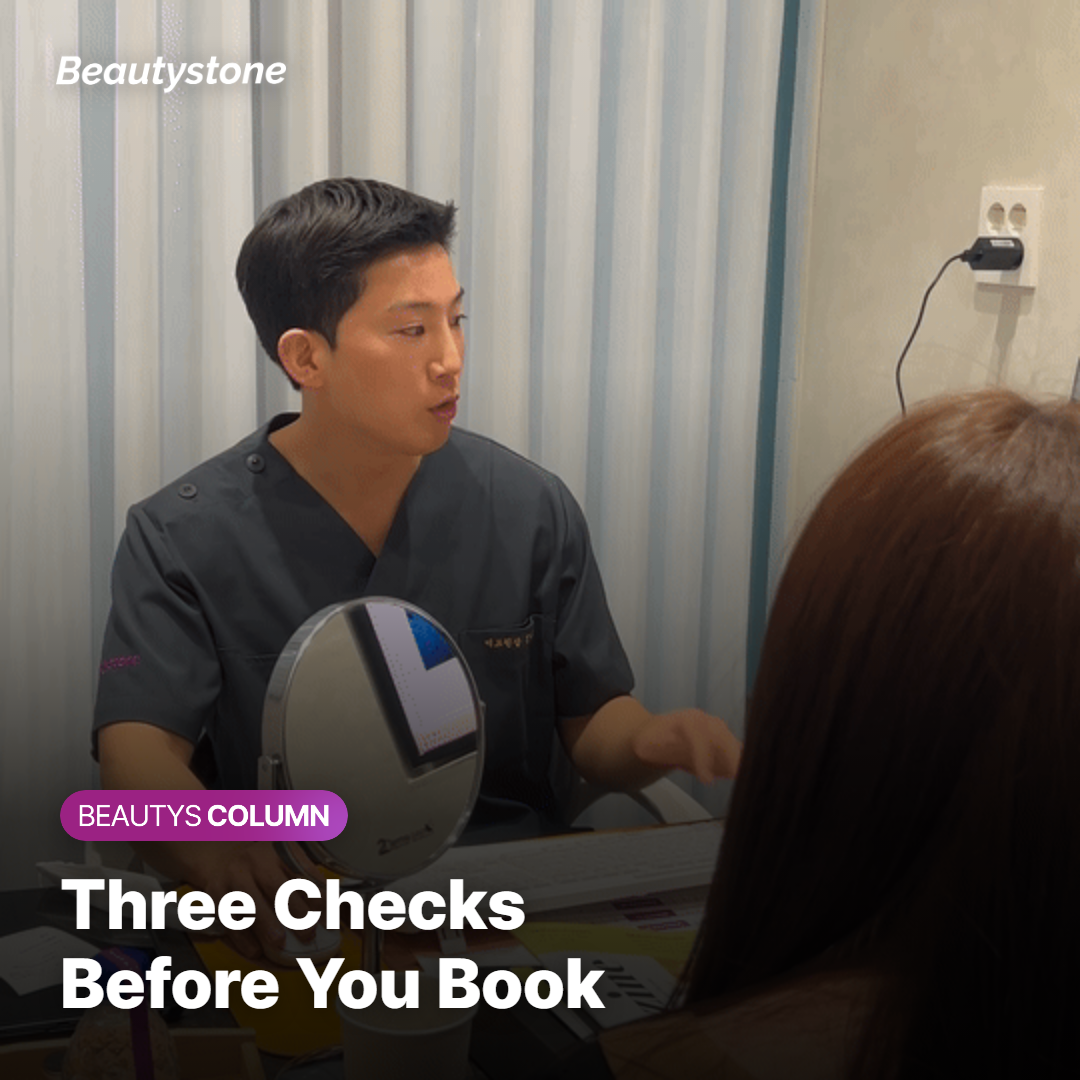
A Three-Point Check Before You Book
You can get a rough read on your own before you ever sit in a chair. Look at one spot in good, indirect light and ask three questions:
- Is the outer edge sharply defined? A crisp border suggests pigment concentrated near the surface, which is the type lasers handle most efficiently. A soft, blurry edge that fades into surrounding skin leans toward melasma.
- Is it flat, or can you feel it? Run a clean fingertip across it. If there's texture — raised, slightly waxy, or rough — you're likely looking at a seborrheic keratosis, which needs a different approach than a pigment laser alone.
- How deep is your current skin tone? Deeper or recently tanned skin absorbs more laser energy in the surrounding tissue, which raises the risk of post-treatment darkening. It doesn't rule treatment out, but it changes the settings and often the timing.
Be prepared for the answer to be less convenient than you'd like. In practice, only a minority of people who come in about spots — somewhere around 40% by our own experience in clinic — fall neatly into the straightforward surface-pigment category where one or two sessions do most of the work. Everyone else needs a plan rather than an appointment.
Which Laser Suits Which Type of Spot?
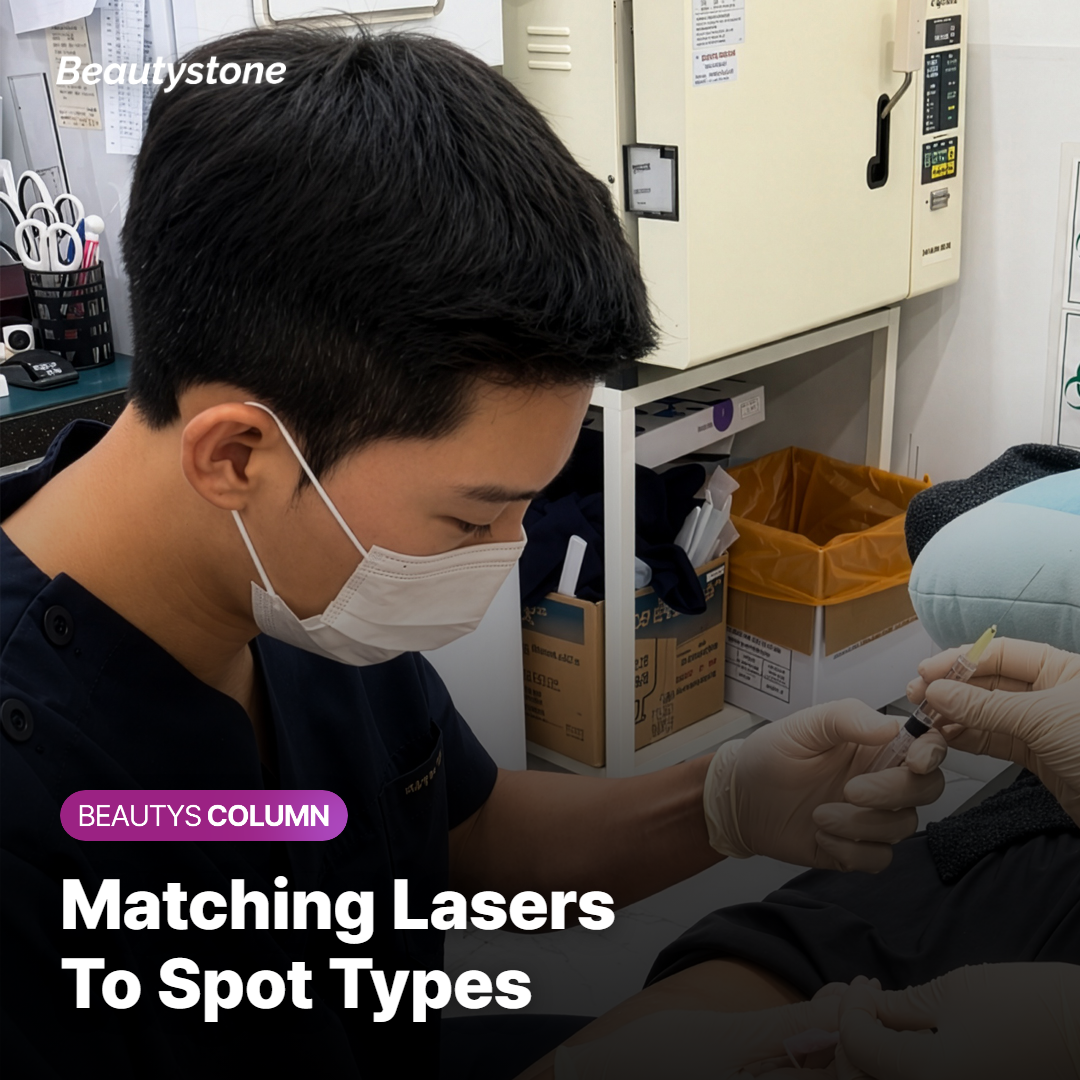
Broadly, the devices used for pigment fall into a few families, and matching the family to the pigment is most of the job.
| Type of pigment | Laser family that tends to fit | What to expect |
|---|---|---|
| Freckles and raised age spots | Ruby laser or IPL | Strong on surface pigment; visible change often within one to three sessions |
| Melasma | Low-fluence toning | Spread over many gentle sessions; not a short project, and prone to returning |
| Post-inflammatory marks | IPL or picosecond laser | Aims at overall tone; settings kept conservative to avoid re-triggering pigment |
| Mixed pigment on one face | Picosecond laser plus toning | Needs a sequenced plan rather than one setting applied everywhere |
Wavelength is the reason these aren't interchangeable. Shorter wavelengths are absorbed strongly by pigment near the surface, while longer wavelengths travel deeper with less absorption along the way. The GentleMax Pro Plus we use combines a 755 nm alexandrite wavelength with a 1064 nm Nd:YAG, which allows the depth and intensity to be adjusted to the pigment in front of it rather than forcing one setting onto every face.
None of this makes any single device the right answer for everyone. If a clinic recommends the same machine regardless of what you walked in with, that's worth a second opinion.
Why Melasma Needs a Slower Approach
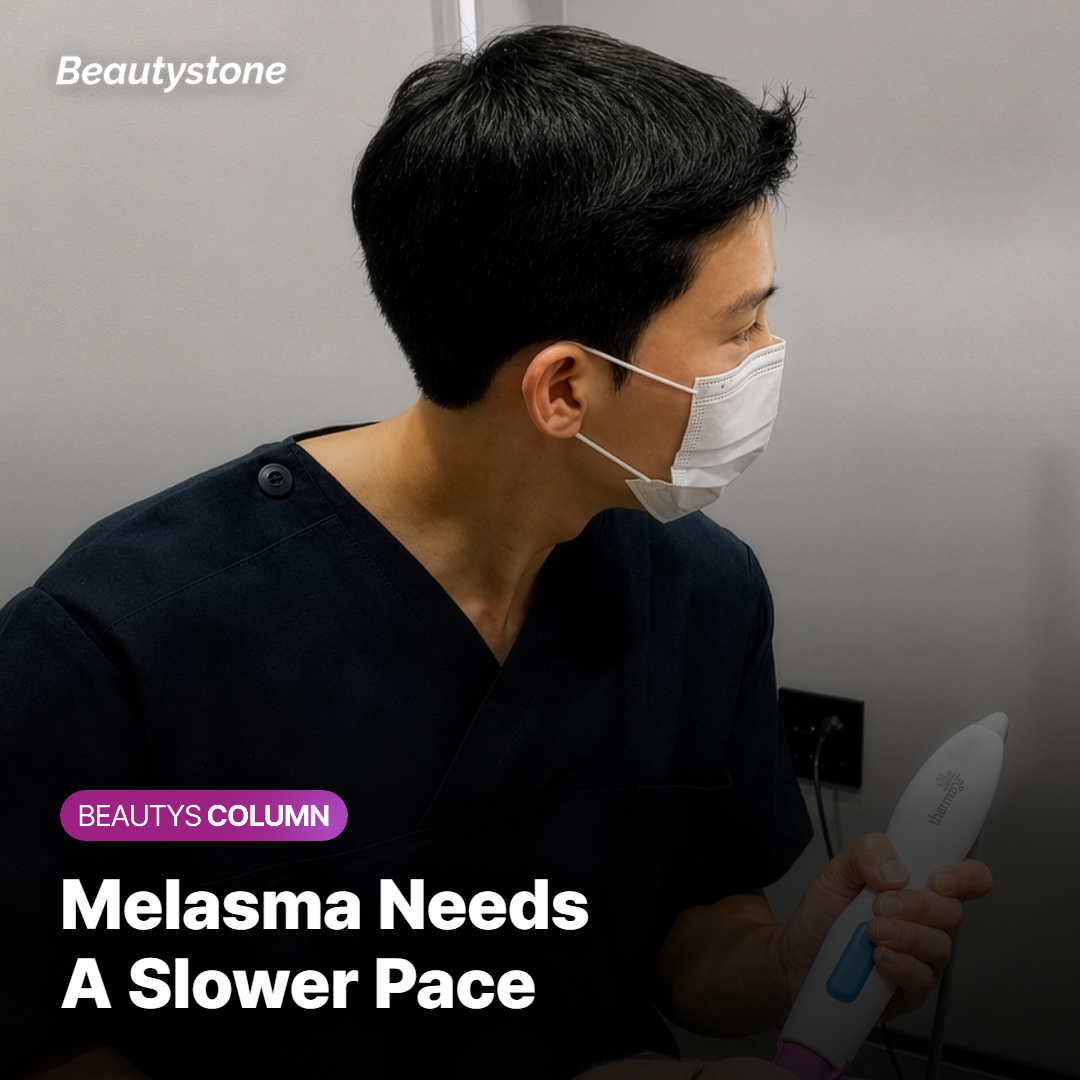
Melasma is the one that punishes impatience. Because the pigment often extends below the epidermis, the instinct to "just turn the power up" backfires — heat and inflammation are themselves triggers for pigment production, so a strong session can leave you darker a few weeks later.
The approach that tends to hold up is the opposite: low energy, repeated over many sessions, paired with daily sun protection and sometimes topical treatment. Expect a series measured in five to ten sessions or more, and expect the goal to be lightening rather than clearing. Melasma is also prone to returning, particularly with sun exposure or hormonal shifts such as pregnancy or a change in contraception.
It helps to reframe it as a condition you manage, the way you'd manage a tendency toward flushing or dryness, rather than a one-time repair. People who go in with that expectation are usually much happier with their results a year later than people who were promised a fix.
Aftercare: Where the Result Is Won or Lost
The most disappointing cases in clinic aren't the ones where the laser underperformed. They're the ones where the treatment went well and the pigment crept back because the weeks afterward weren't protected. Sunscreen is non-negotiable here.
- Sun protection: SPF 50+ with high UVA protection, applied before you leave the house and reapplied through the day. This matters more than any product you buy afterward.
- Leave the crusts alone: small dark flakes often form over treated spots and shed on their own within days. Never pick at them — removing them early is how you turn a treated freckle into a lasting mark.
- Cleanse gently: lukewarm water, no scrubs, no acids or retinoids until your provider clears you.
- Avoid heat: saunas, hot yoga, and long hot showers are worth skipping for one to two weeks, since heat itself can provoke pigment.
One more expectation to set honestly: a single session rarely finishes the job, even for the easy cases. Sharply bordered surface pigment often responds within one to three sessions, while anything deeper or more diffuse is a longer conversation.

Side Effects and When to Call Your Provider
Most sessions are done after a numbing cream sits on the skin for roughly 30 to 40 minutes. What you feel during treatment is usually described as a snap or a flick of heat — uncomfortable rather than unbearable, though sensitivity does vary by person and by area.
Redness, mild swelling, and a warm, sunburn-like feeling for a day or so are common and typically settle on their own. Temporary darkening of the treated spots before they flake away is expected, not a sign something went wrong.
Contact your provider if redness worsens instead of easing after a few days, if blistering or oozing develops, or if you notice new pigment spreading beyond the treated area. Fever or redness that spreads outward from the site means you should seek medical care right away.
Some people should postpone rather than proceed. If you're pregnant or breastfeeding, if your skin barrier is currently compromised from a peel or strong actives, or if you've been in the sun recently enough to still be tanned, say so at the consultation — timing is part of the treatment plan.
The Bottom Line
- Freckles, melasma, post-inflammatory marks, and seborrheic keratoses look alike and behave nothing alike — identification comes before device selection.
- Sharp borders and flat texture point toward surface pigment that lasers handle efficiently; blurry edges point toward melasma and a slower plan.
- Melasma responds to low energy repeated over many sessions, and is best treated as ongoing management rather than a one-time clearing.
- Daily sun protection and leaving crusts alone do more to protect your result than the choice of device does.
Like any procedure, laser treatment for pigment comes with trade-offs, and individual results vary with skin type, pigment depth, and how consistently you protect the skin afterward. Ultimately, the choice depends on what you actually have, your skin tone, and how much time you're willing to give it.
If you're not sure which category your spots fall into, a consultation is the most useful first step — a good one starts with a diagnosis, not a device. Beautystone is a dermatology clinic in Seoul's Hapjeong area — current offers are listed at /en/promotion, and treatment pricing is at /en/price.