Why Won't Lotion Fix Bumpy Arm Skin?
If lotion and body scrubs never quite smooth out those bumps on your upper arms, the issue probably isn't dead skin at all. A tiny muscle beneath each hair follicle may be the real cause.
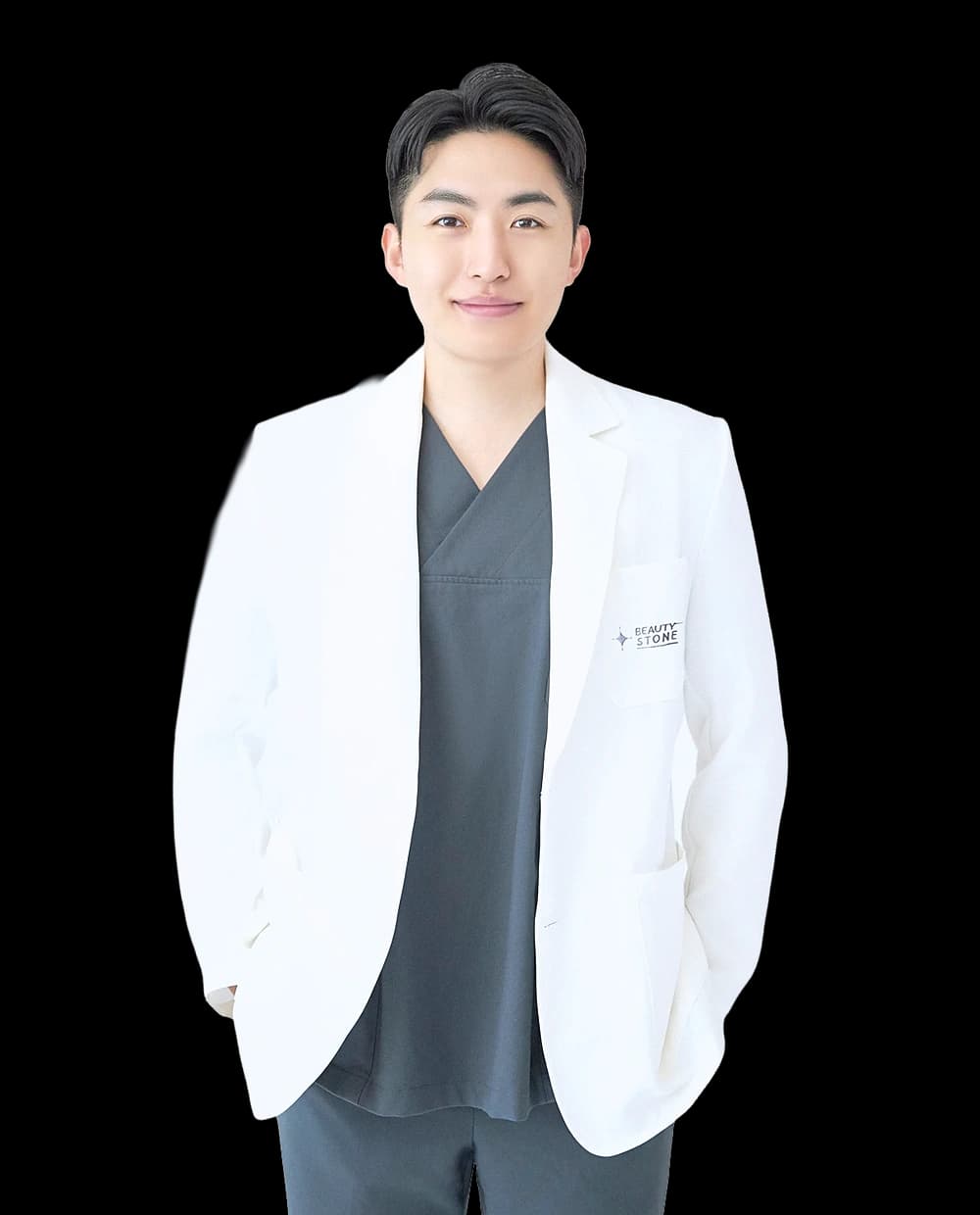
Wi Young-jin
Chief Director, Myeongdong
If you've spent years cycling through body lotions, scrubs, and exfoliating gloves trying to smooth out those little bumps on your upper arms, and nothing quite works, you're not alone. It's one of the most common skin complaints dermatology offices hear, and it's also one of the most misunderstood.
In this article, we'll cover what's actually causing those stubborn arm bumps, why moisturizer and exfoliation only go so far, how a tiny muscle under the skin plays into it, and what a Botox-based approach can (and can't) do about it.
What Is "Chicken Skin" on the Arms, Really?
That rough, goosebump-like texture on the back of the upper arms has a name: keratosis pilaris, often shortened to KP. It shows up when dead skin cells build up around hair follicles and form small, hard plugs, which is why dermatologists usually recommend gentle exfoliation and moisturizing as a first step.
But plenty of people do exactly that, consistently, for years, and the bumps barely budge. If that sounds familiar, there may be more going on than a simple buildup of dead skin.
Why Lotion and Exfoliants Don't Fully Fix It
Body lotion works on the surface: it hydrates the outer layer of skin. Scrubs and chemical exfoliants go a bit deeper, helping clear away the dead cells clogging the follicle opening. Both are genuinely useful for the surface-level part of the problem.
The part they don't touch is what sits just underneath: a microscopic muscle called the arrector pili, attached to the side of each hair follicle. This is the same muscle responsible for goosebumps when you're cold or startled. In people prone to persistent arm bumps, research suggests this muscle can stay in a low-grade, semi-contracted state even at rest, which physically tents the skin above it into that bumpy texture.
So even after all the dead skin is cleared away, a muscle sitting just below the surface can still be pulling the skin into little peaks. That's the piece topical products were never designed to reach.
How Arm Botox Targets the Real Cause
This is where Botox comes in, and it's a different mechanism than most people expect. Botulinum toxin is best known for smoothing forehead lines by relaxing larger facial muscles, but the same basic principle, temporarily blocking the nerve signal that tells a muscle to contract, applies to a muscle this small too.
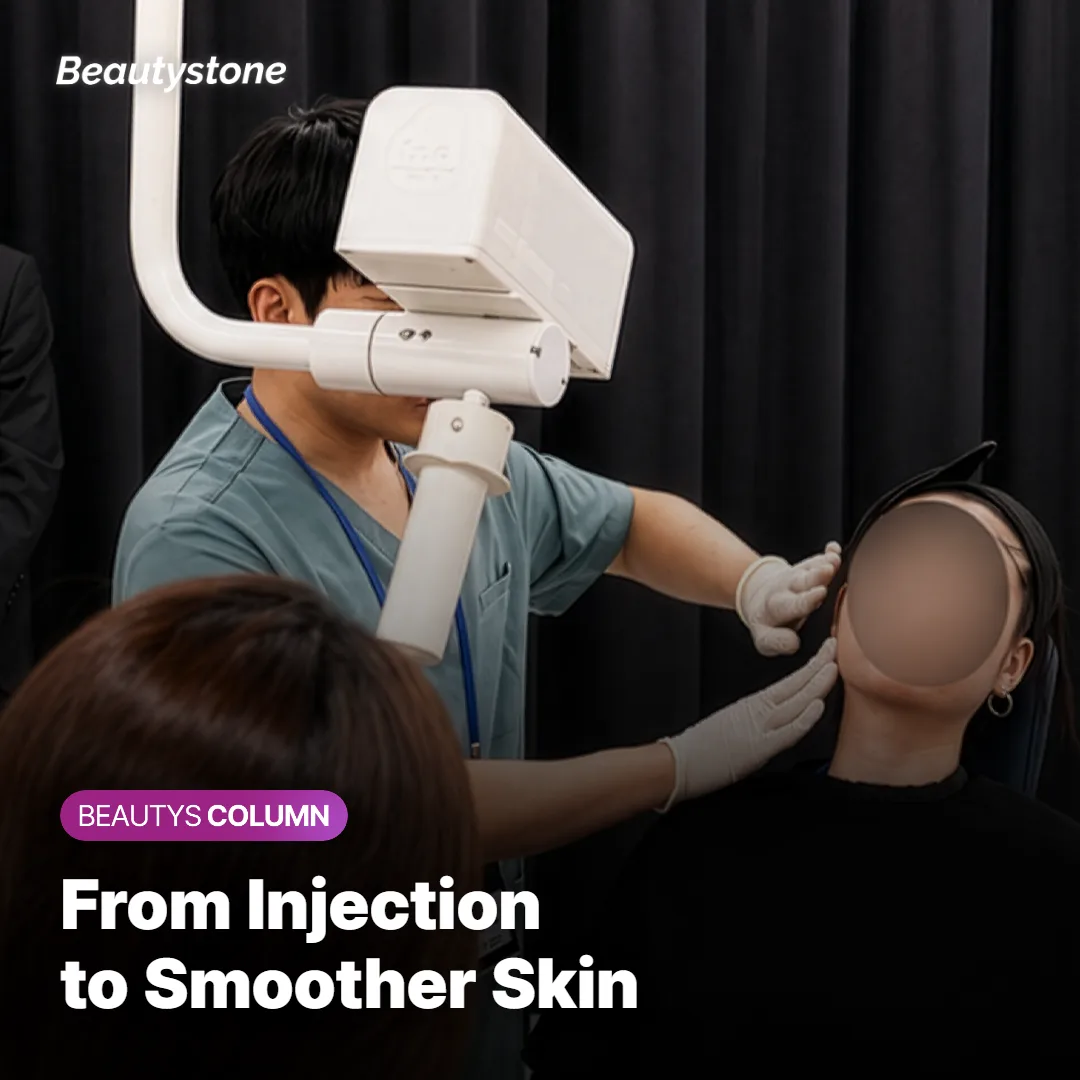
Because the arrector pili sits in a very shallow layer, just below the dermis and well above larger muscles like the biceps, providers use fine, superficial injections spaced across the treatment area. When that signal is blocked, the muscle stops tensing, the skin above it lies flatter, and the bumpy texture tends to soften noticeably.
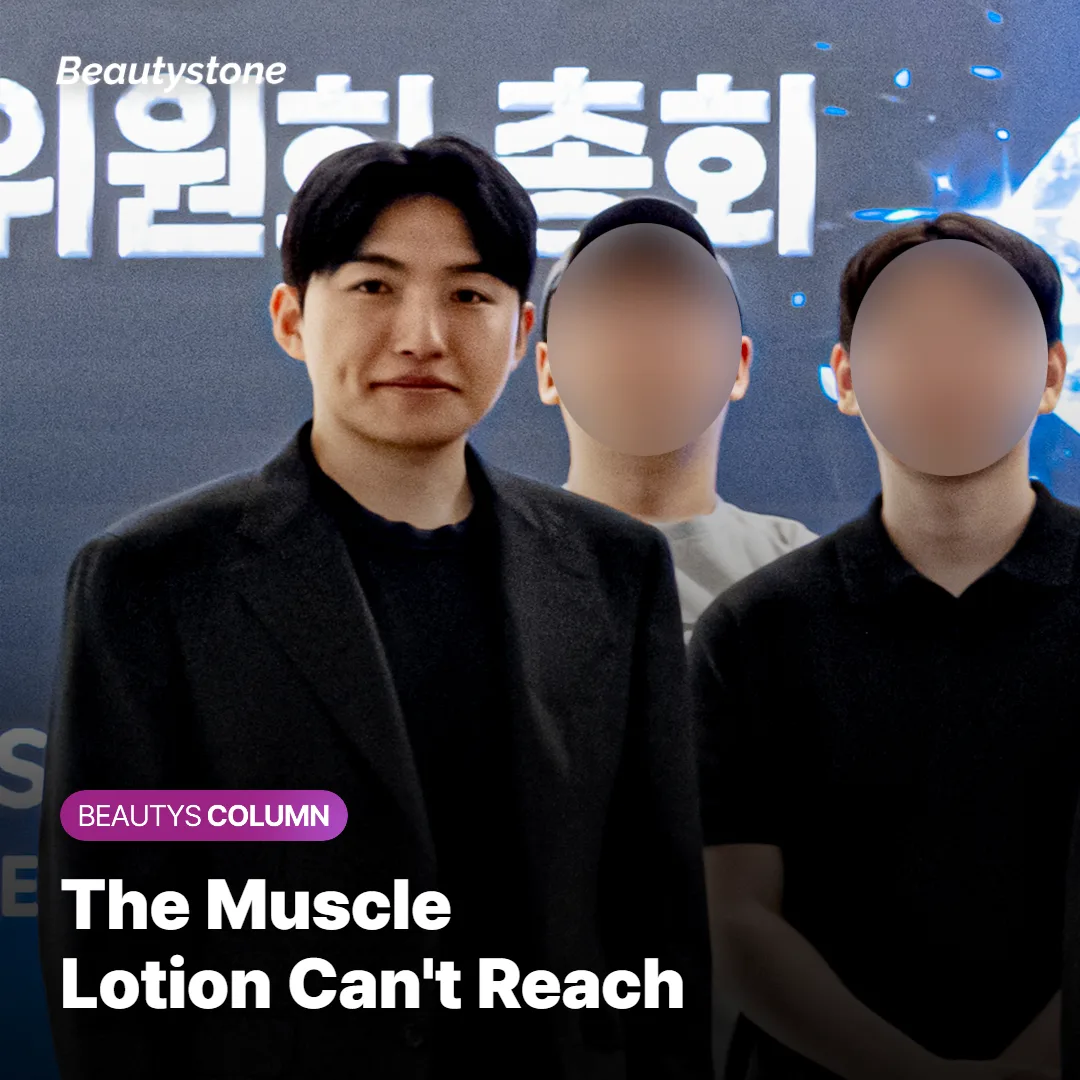
Dr. Wi Youngjin, a physician at Beautystone in Seoul's Hapjeong neighborhood, notes that this is a question that comes up often in consultations: patients who've tried nearly every lotion and scrub on the market and assumed they were simply doing it wrong. In most of those cases, the target was never the muscle underneath, which is exactly why topical routines alone couldn't fully resolve it.
What to Expect: Timeline and Results
Botox isn't instant. It typically takes about five to seven days to start affecting the targeted muscle, with the full effect settling in around the two-week mark. If you check a mirror the day after treatment and see no difference, that's expected, not a sign the treatment didn't work.
- Day 1-2: Mild redness or small bumps at injection sites, occasionally light bruising. Usually settles within a couple of days.
- Days 5-7: The arrector pili muscles begin to relax, and texture starts to look smoother.
- Week 2: Full effect is typically visible. This is the point where before-and-after comparisons are most meaningful.
- Months 4-6: Results are not permanent. As the nerve connection gradually regrows, muscle activity returns and the texture slowly comes back.
That last point is worth sitting with. This isn't a one-and-done fix, and individual results vary based on how much the muscle was contracting to begin with and how large an area was treated.
Side Effects & Risks
Because the arrector pili sits in such a shallow layer, treatment for this specific concern generally doesn't affect deeper muscle strength. Larger muscles, like the biceps, sit well beneath the injection depth used for this purpose, so most people don't notice any change in arm strength or the ability to lift things.
Redness, minor swelling, or light bruising at injection sites are common and usually settle within a few days. Itching has been reported occasionally but tends to resolve on its own within about a week. As with any injectable treatment, there's a small risk of infection or an uneven result if injections aren't placed and spaced properly, which is why choosing an experienced provider matters here as much as anywhere else on the body.
If you notice spreading redness, fever, or swelling that's getting worse rather than better after a few days, that's worth contacting your provider about right away rather than waiting it out.
Who's a Good Candidate for This?
Not everyone with bumpy arm skin is dealing with the muscle-driven version of it, so it helps to check a couple of things before assuming Botox is the right next step.
- Texture you can feel, not just see: if running your hand over the area reveals distinct, raised bumps, a muscle-driven cause is more likely.
- Texture that looks bumpy but feels flat: this points more toward pigmentation or scarring than muscle contraction, and Botox won't address that layer.
- Years of consistent skincare with little change: if lotion and exfoliation have been part of your routine for a long time without much payoff, that's a signal the cause may sit deeper than the surface.
Something else worth mentioning: if you've had Botox elsewhere on the body, like the calves or jawline, and assumed it "stopped working" on you, that's usually not the same thing as this treatment not being effective. Dosing and injection depth vary a lot by area, so a provider can walk through whether a different approach or product makes sense for your skin specifically.
The Bottom Line
Bumpy upper-arm skin that won't respond to lotion or exfoliation isn't necessarily a sign you're doing skincare wrong. In a meaningful number of cases, the texture comes from a tiny muscle beneath the surface staying chronically tense, not from dead skin buildup alone. Botox works by relaxing that muscle rather than treating the surface.
It's not permanent, results typically last around four to six months, and it comes with the same trade-offs as any injectable: mild downtime, a cost to repeat over time, and results that vary from person to person. Ultimately, whether it's worth pursuing depends on how long you've struggled with the texture, how much it bothers you, and your budget for upkeep.
If lotion and scrubs have never fully solved your arm texture, a consultation is the best way to find out what's actually going on underneath. Beautystone is a clinic in Seoul's Hapjeong area, and you can see current offers at /en/promotion.
Frequently Asked Questions
Q1. Is bumpy arm skin always keratosis pilaris?
Not always. Classic keratosis pilaris involves dead-skin buildup around the follicle, but in some people the texture comes mainly from a small muscle, the arrector pili, staying chronically tense beneath the skin. Running a hand over the area is a simple way to check: distinct, raised bumps point more toward the muscle-driven type.
Q2. How long does arm Botox for bumpy skin last?
Results generally last around four to six months, though this varies by person. As the treated nerve connection gradually regrows, the muscle regains activity and the texture slowly returns, so it isn't a one-time fix.
Q3. Will Botox in my arms make them feel weak?
Not typically. The arrector pili sits in a very shallow layer near the hair follicle, well above larger muscles like the biceps, so injections aimed at this specific concern generally don't affect grip or lifting strength.
Q4. How soon will I see results after treatment?
Don't expect an overnight change. It usually takes about five to seven days for the effect to begin, with results settling in around the two-week mark, which is the best time to judge how much the texture has improved.