Skin Clinic in Seoul: What Foreigners Ask
Language, cost, and first-visit steps for foreigners.

If you live in or are visiting Seoul and you want a skin clinic, the first worry is usually not the treatment. It is whether you can be understood, whether you need an appointment, and whether you will be talked into something you did not come for.
Here is the short answer first: yes, foreigners are treated at skin clinics in Seoul every day, English-speaking care is available at many of them, and a good clinic will start with a consultation rather than a sales pitch. The harder part is knowing what to expect and how to choose well.
This is general information from Beautystone, a skin clinic in the Hapjeong area of Seoul, written for the questions foreigners actually ask before their first visit.
What you'll learn

  · Whether Seoul skin clinics treat foreigners and speak English
  · What actually happens at a first visit, step by step
  · Rough costs and how to ask about them without surprises
  · How to choose a clinic, and what to check before you go
Do Seoul skin clinics treat foreigners?
Yes. Foreign residents and travelers are a normal part of the patient mix at many Seoul skin clinics, and a number of them offer English-speaking care — either through the doctor, the front desk, or written English intake. It is fair to call ahead and simply ask, "Can I be seen in English?" A clinic that answers clearly is already telling you something useful.
One thing worth understanding: in Korea, the sign outside can say "skin clinic," "dermatology clinic," or "aesthetic clinic," and these are not all the same. What you usually want is a clinic where a licensed dermatologist — a doctor who specialized in skin — actually does or directly supervises your treatment.
The credential system differs by country, so you cannot look for the exact same letters you would at home. In the US, for example, the American Academy of Dermatology notes that "FAAD" after a doctor's name means they are board certified, and that you should confirm certification through a recognized board. In Korea the title to look for is a dermatology specialist (피부과 전문의). The principle is the same everywhere: ask who is treating you and what they trained in.
What to expect at your first visit
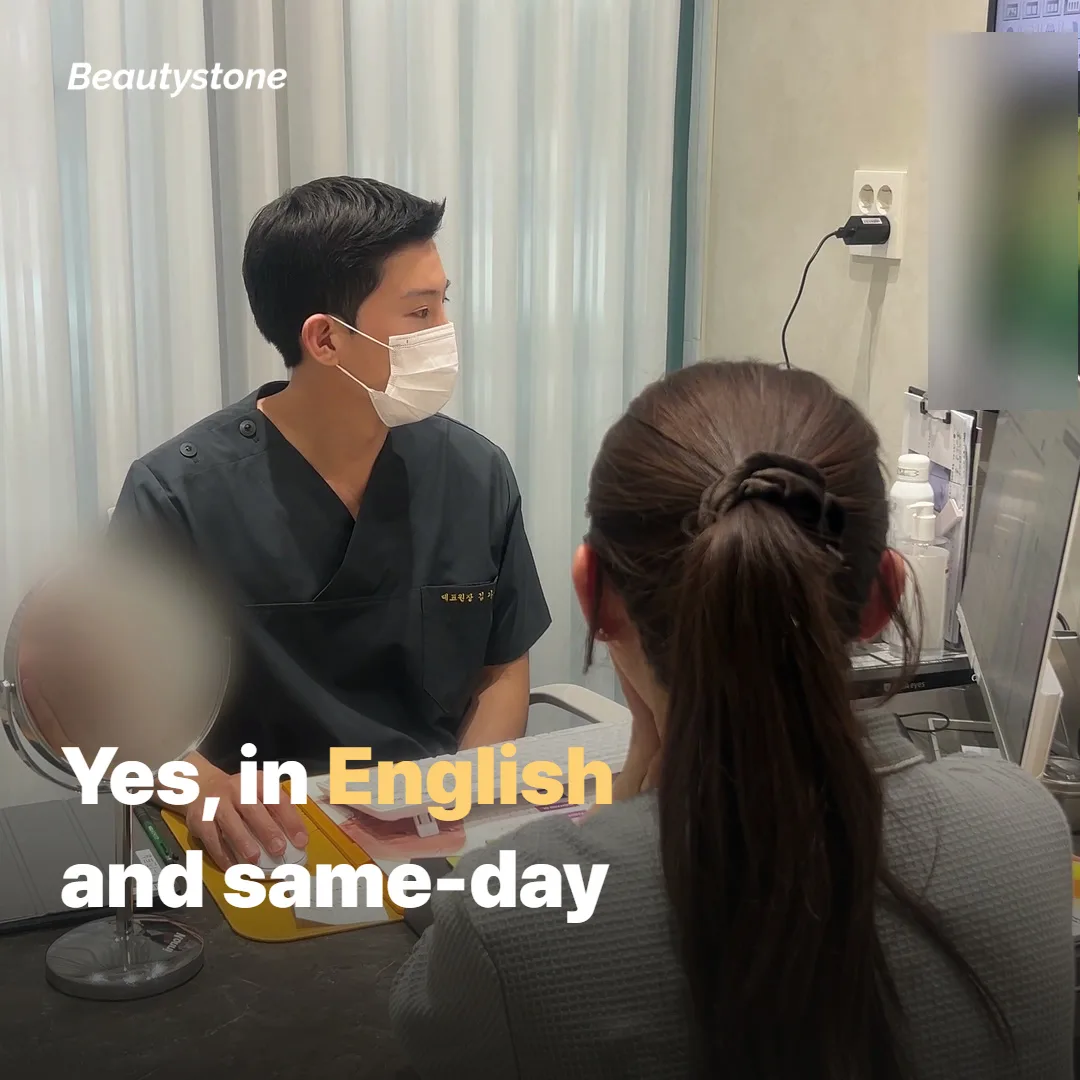
A first visit at a small Seoul clinic is usually calmer than people expect. Many clinics, including ours, take walk-ins and same-day consultations, so you do not always need to book days ahead — though calling first still saves waiting.
A typical first visit looks roughly like this:
- Check-in: a short intake form, sometimes available in English. Bring a photo ID and your ARC or passport.
- Consultation: the doctor looks at your skin, asks what is bothering you, and explains realistic options — including doing nothing yet.
- Treatment or plan: simple treatments can often be done the same day; others are booked for a later date so you can think it over.
A good sign is a consultation that spends more time on what your skin actually needs than on a package you should buy today. Individual skin and goals vary, so a plan that fits a friend may not fit you.

What it costs (and how to ask)
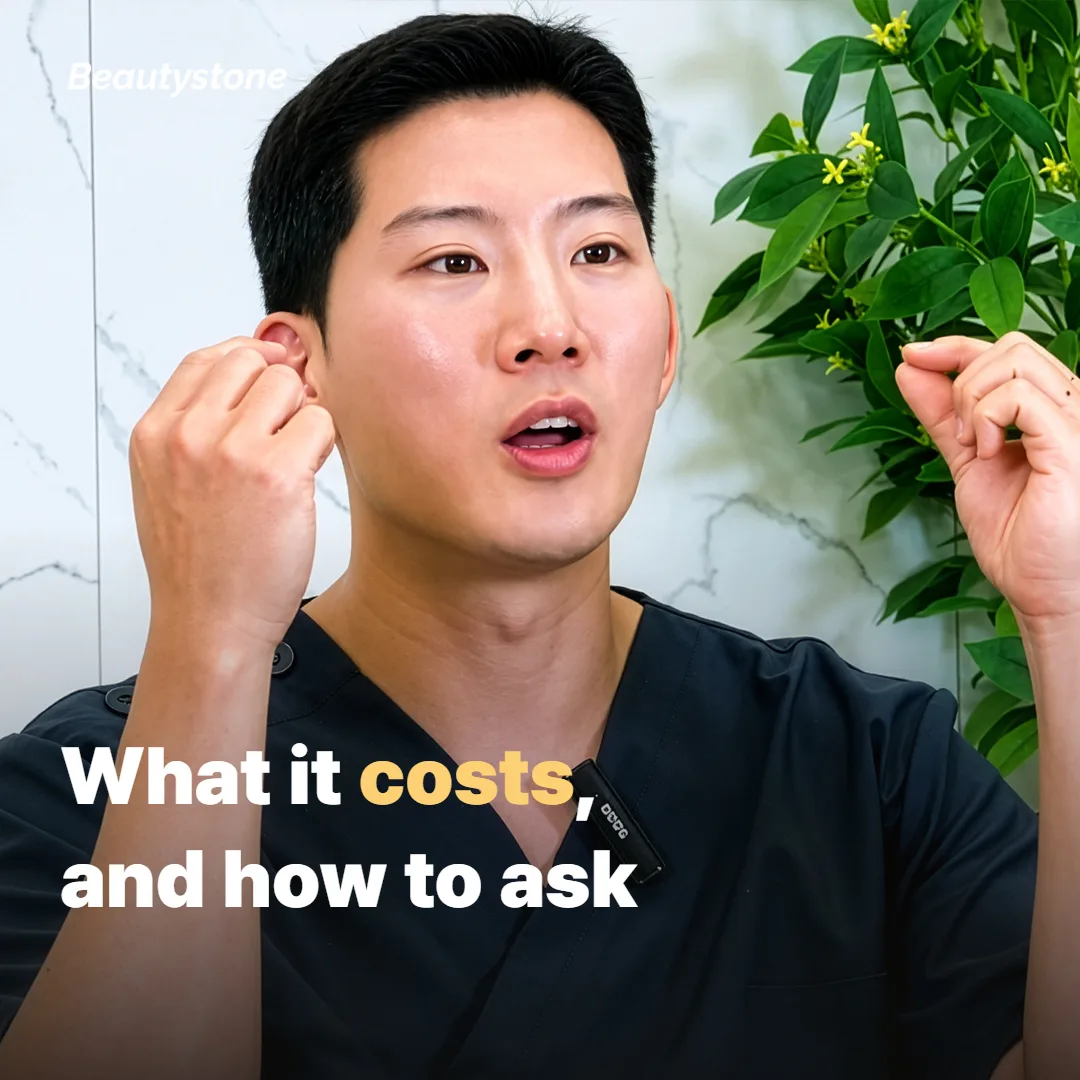
Cost is the question everyone has and few clinics post plainly for every service. As a rough guide, many single-session skin treatments at Seoul clinics fall in the low-to-mid hundreds of US dollars, while injectables and multi-session packages run higher. Prices vary widely by clinic, by how much product or how many shots are used, and by what is bundled in — so treat any figure as a ballpark and confirm at your consultation.
The most useful way to ask is not "how much is it?" but:
- "Is this priced per session, per area, or as a package?"
- "How many sessions do you usually recommend, and what is the total?"
- "Does the price include follow-up or aftercare?"
Asking this way makes very different-looking prices comparable, and it quietly signals that you are paying attention.
Why Hapjeong Beautystone (near Hongdae)
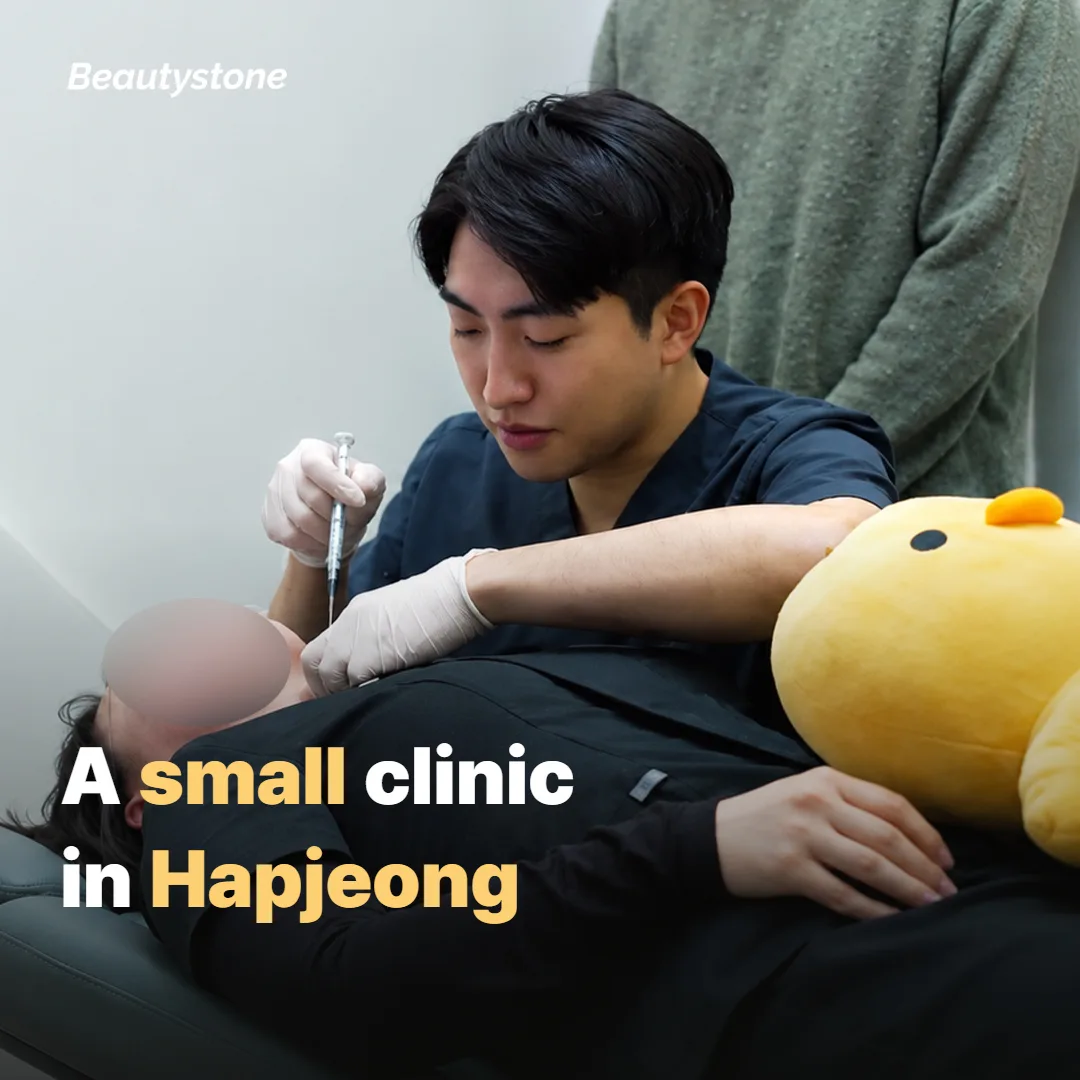
Beautystone is a small clinic in Hapjeong, a short walk from Hapjeong Station and one subway stop from the Hongdae area. Being small is the point: a dermatology specialist sees you directly, without the conveyor-belt pace of a high-volume clinic, so there is room to explain and to say "you don't need this."
For foreigners specifically, three things tend to matter: you can be seen in English, you can come same-day or on a weekend (we are open seven days a week, including Sundays — confirm the day's hours when you book), and the consultation is meant to help you decide, not to close a sale. Those are the reasons to consider us, stated plainly rather than sold.
How to choose a clinic as a foreigner
You will not always have a local friend to vouch for a clinic, so a short checklist helps:
- Who treats you: confirm a dermatology specialist does or directly supervises the procedure.
- Language: confirm you can consent and ask questions in a language you understand — informed consent only works if you actually understood.
- Honesty: a clinic that names limits and downtime, and says who should skip a treatment, is usually more trustworthy than one that promises a guaranteed result. No reputable clinic can promise permanent or 100% results.
- Aftercare reality: if you are a tourist, remember that a rare side effect can appear after you fly home. Ask what to watch for, and know you may need a local follow-up where you live.
- Red flags: spreading redness, worsening pain, fever, or anything that feels wrong after a treatment is not "wait and see" — contact the clinic or seek urgent care.
One low-cost habit protects almost any skin plan: sun protection. The American Academy of Dermatology recommends a broad-spectrum sunscreen of SPF 30 or higher, reapplied every two hours — especially useful after treatments that leave skin sensitive.
Frequently asked questions
Q. Do skin clinics in Seoul speak English?
A. Many do, though not all. English-speaking care is available at a number of clinics through the doctor, the front desk, or English intake forms. The reliable move is to call or message ahead and ask, "Can I be seen in English?" — and to confirm you will be able to ask questions and give consent in a language you understand.
Q. Do I need an appointment, or can I walk in?
A. Both are common. Plenty of clinics, including ours, accept walk-ins and same-day consultations, so you do not always need to book ahead. That said, calling first reduces waiting and confirms the doctor is in that day.
Q. How much does a skin treatment in Seoul cost?
A. It varies a lot. Many single-session treatments sit in the low-to-mid hundreds of US dollars, with injectables and packages higher, but the number depends on the treatment, the amount used, and what is bundled in. Ask whether the price is per session, per area, or a package, and what the total would be — then compare.
Q. Can I get a treatment as a tourist on a short trip?
A. Often yes, but plan around downtime and aftercare. Some treatments are same-day with little recovery; others leave redness or swelling that you would not want on a flight home the next day. Because a rare side effect can show up after you leave, ask what to watch for and be ready to see a local provider back home if needed.