Matching a Potenza Tip: 4 Questions to Ask First
The device is the same for everyone, but the tip, depth, and mode are not. Before you book, it helps to know which settings tend to suit pores, scars, or fine lines — and when the answer might be to wait.
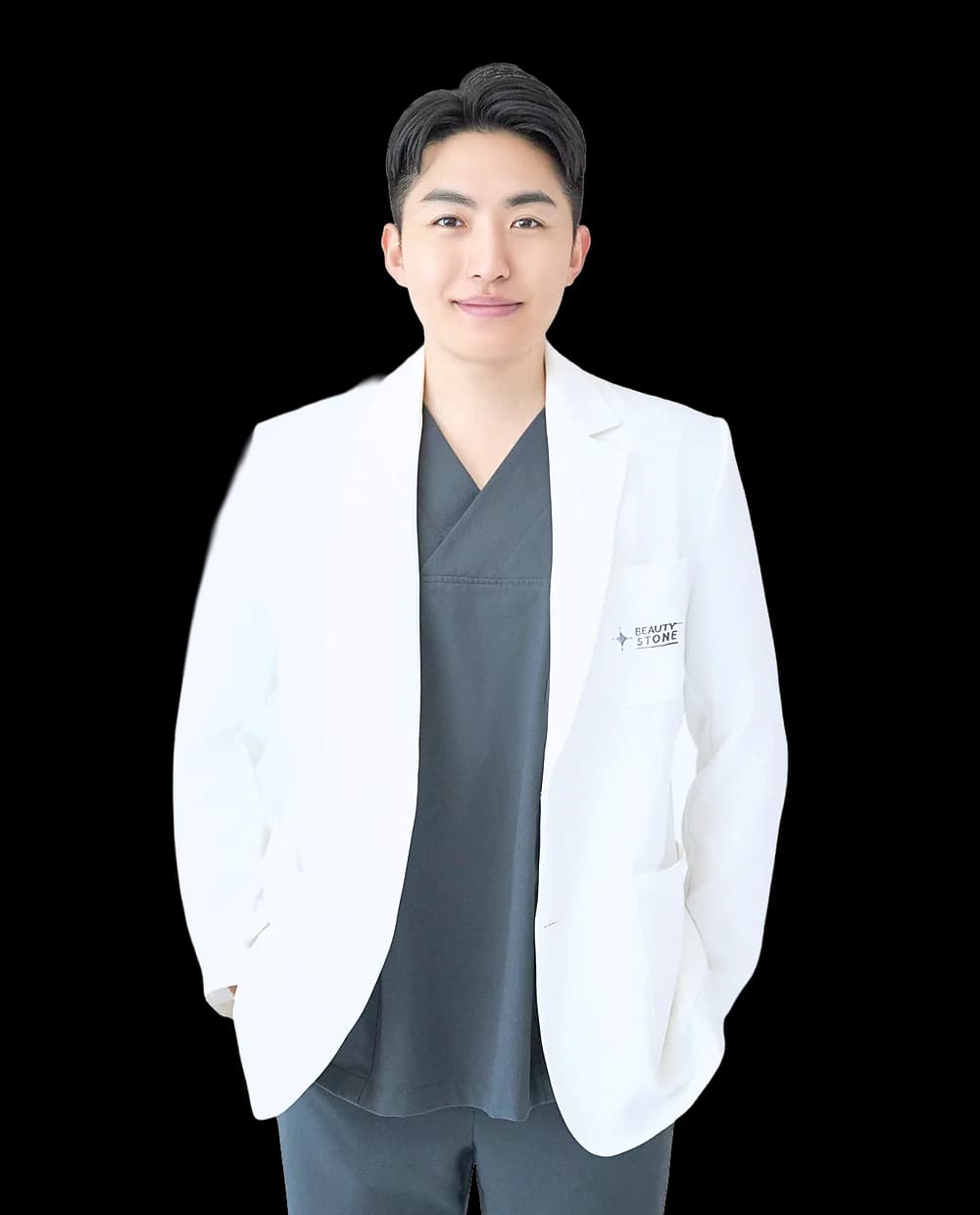
Wi Young-jin
Chief Director & CEO, Myeongdong
If you've read that Potenza treats pores, scars, and fine lines all at once, you may be wondering which of those it would actually do for your skin. The honest answer is that it depends less on the device and more on the tip and settings your provider chooses for your specific concern.
So instead of walking through the technology, this guide works the other way around. We start from your concern, map it to the tip and depth that tend to suit it, flag the situations where Potenza may not be the right call, and lay out what to ask so you leave a consultation with a clear plan.
Why Do Two People Get Such Different Potenza Results?
Here's a question worth sitting with before you book: if Potenza is a single device, why do results seem to vary so much from person to person? The short answer is that Potenza isn't one setting. It's a radiofrequency (RF) microneedling platform made by Cynosure, and it accepts different tip types, adjustable needle depths, and different energy modes.
The constants are the same for everyone. Fine needles create tiny channels in the skin, and RF energy is delivered through those needles to heat the deeper layers. What changes from one appointment to the next are the variables — the tip, the depth, and the mode — and those are what get matched to your skin rather than applied the same way to every face.
Potenza can run at two RF frequencies (1 MHz and 2 MHz) and in monopolar or bipolar modes. That range is exactly why the same device can lean toward pores for one person and scars for another. So when you compare notes with a friend who had it done, you're really comparing two different setups, not two reactions to the same treatment. It helps to think of Potenza less as a fixed procedure and more as a toolkit that gets configured for the target.
Which Tip Fits Your Concern — Pores, Scars, or Fine Lines?
This is where the choice becomes personal. The main variables are tip design, needle count, needle depth, and energy mode, and each one leans toward a different concern. Rather than memorize the hardware, it's easier to start from what you want to change and see which settings tend to follow.
The biggest single distinction is insulated versus non-insulated needles. On an insulated needle the shaft is coated, so RF energy is released mainly at the tip, deeper down — that concentrates heat below the surface and spares the upper skin, which is often favored for deeper targets like scars. On a non-insulated needle, energy is delivered along the whole needle, treating a fuller column of tissue from surface to depth, which is useful when broader skin-quality improvement is the goal.
Depth is the other lever. Adjustable depth lets the provider match the target: shallower settings tend to suit fine lines and surface texture, while deeper settings reach the level where scars and laxity sit. Depth is dialed to your anatomy, not a fixed number. Some tips also vary in needle count and layout, and certain ones are designed to help drive a chosen serum or solution into the channels the needles create — sometimes called RF-assisted delivery.
| If your concern is | The setup tends toward |
|---|---|
| Enlarged pores and texture | Moderate depth, tips suited to overall refinement |
| Acne scars | Deeper settings, often insulated tips |
| Fine lines and early laxity | Settings tuned for firming across a broader area |
| Getting a solution in | Tips configured for assisted delivery |
None of this is a menu you order from on your own — it's a starting point for the conversation. A review published in PMC on RF microneedling notes that needle depth, insulation, and energy settings all influence outcomes for scarring and skin texture, and a separate PMC study on energy-based dermal remodeling reinforces that matching parameters to the target tissue drives the result. Individual results vary.
When Might Potenza Not Be the Right Call?
Before matching a tip to your concern, it's worth asking the opposite question: are there reasons to hold off? RF microneedling is generally well tolerated, but it does create controlled injury, and a few situations make it a poor fit for the moment.
It generally isn't recommended over active infections or open acne lesions, and certain conditions or implanted electronic devices may rule it out entirely. Because the channels are open temporarily, this is a treatment where your history matters more than the marketing does — which is why an honest conversation before booking beats booking first and hoping.
- Active infection or open acne lesions in the area you want treated.
- Certain medical conditions or implanted electronic devices, which may exclude it.
- A skin tone that's deeper or more melanin-rich, where temporary post-inflammatory pigmentation is a bigger consideration and settings should be adjusted accordingly.
- A history you haven't discussed yet — pigment risk in particular is worth raising before you book.
The pigmentation point deserves emphasis because it directly shapes the tip and depth decision. Deeper settings raise the odds of temporary darkening, so for more melanin-rich skin the value of an experienced provider who can adjust the settings goes up. If any of these apply to you, the right move isn't to skip the idea — it's to raise it early so the plan is built around it.
Reading Your Recovery: What's Normal Week by Week?
Once you've had a session, the most useful thing is knowing what's expected and what isn't. RF microneedling is usually done as a short series rather than a single visit, and the meaningful change shows up gradually because it comes from collagen rebuilding — so patience is part of the plan, not a sign something's off.
On the day itself, numbing cream is applied first, and the session often takes 30–60 minutes depending on the area and concern. In the first one to three days, redness is typical, sometimes with mild swelling or a sandpaper-like texture as the surface recovers. Dryness or flaking can follow as it heals, and tiny pinpoint marks from the needle channels usually fade within days.
| When | What's usually normal |
|---|---|
| Day of | Numbing first; 30–60 min depending on area |
| First few days | Redness, possible mild swelling, rough texture |
| 2–4 weeks | Early smoothing may show; sessions spaced apart |
| 2–3 months on | Collagen remodeling continues; change keeps building |
Scars and deeper concerns often need multiple sessions, and a maintenance plan varies by person. There's a line between normal and not, though: if you notice spreading redness, pus, worsening pain, or fever, that's your cue to seek medical care right away rather than wait it out. Everything else on this list tends to settle on its own within a few days. Individual results vary.
What to Ask Before You Book at Beautystone
Because so much of the outcome rides on the tip, depth, and mode, the consultation is where the real decisions get made — not the booking page. Beautystone is a dermatology clinic in Seoul's Hongdae area, and the questions below are the ones worth bringing to any provider considering Potenza for you.
- Which concern are we prioritizing — pores, scars, fine lines, or overall texture — and does the tip choice follow from that?
- Would insulated or non-insulated needles suit my target, and roughly what depth range are you thinking?
- Given my skin tone and history, how are you adjusting to limit the pigmentation risk?
- How many sessions are we planning, and how far apart, before we judge results?
Notice that none of these ask the provider to promise an outcome. They ask how the plan is built, which is the part you can actually evaluate. A provider who can explain why a given tip and depth fit your concern is telling you the treatment is being matched to you, not sold to you.
Like any procedure, Potenza comes with trade-offs — some downtime, a pigment consideration for certain skin tones, and the need for the right settings. Ultimately the choice depends on your skin, your concern, and your provider's plan. If you're weighing it up, a consultation is the most direct way to find out which tip and depth suit your goals. You can see current offers at /en/promotion.
Frequently Asked Questions
Can one Potenza session cover pores and scars at the same time?
Sometimes a plan addresses more than one concern, but pores and scars tend to favor different depths and tips, so a provider may prioritize one target or spread the work across the short series. That's a good thing to raise in the consultation so you know what each session is aimed at.
How do I know if I should wait rather than book now?
Active infections or open acne lesions in the treatment area, certain medical conditions, and implanted electronic devices are the usual reasons to hold off or check first. If any apply, raise them early — it changes whether now is the right time and how the settings are chosen.
Why does my friend's Potenza experience sound so different from what I'm being offered?
Because you're likely comparing two different setups. The tip, needle depth, and energy mode are matched to each person's concern, so the same device can lean toward pores for one person and scars for another. Different plans, not different devices.
Does deeper skin tone change how Potenza is done?
It can. Temporary post-inflammatory pigmentation is a bigger consideration for deeper or more melanin-rich skin tones, so an experienced provider may adjust the settings to limit that risk. It's worth discussing before you book so the plan accounts for it.