

PicoWay: Can You Shower or Swim in the First 48 Hours?
Redness, swelling, and light crusting are normal after PicoWay tattoo removal. Here's how to care for your skin through the one-to-two-week recovery window, and when it's worth calling your provider instead of waiting it out.

If you’ve just had a tattoo removed with PicoWay, you’re probably staring at red, slightly puffy skin and wondering if that’s normal — and how soon it’ll calm down. Short answer: yes, it’s normal, and most of what you’re seeing settles within one to two weeks. But how you treat that skin in the meantime makes a real difference in how comfortably you get there.
In this article, we’ll cover how PicoWay actually clears tattoo ink, what to do (and avoid) in the first 48 hours, how recovery typically unfolds week by week, the side effects worth watching for, and when it’s time to call your provider instead of waiting it out.
How Does PicoWay Actually Break Up Tattoo Ink?
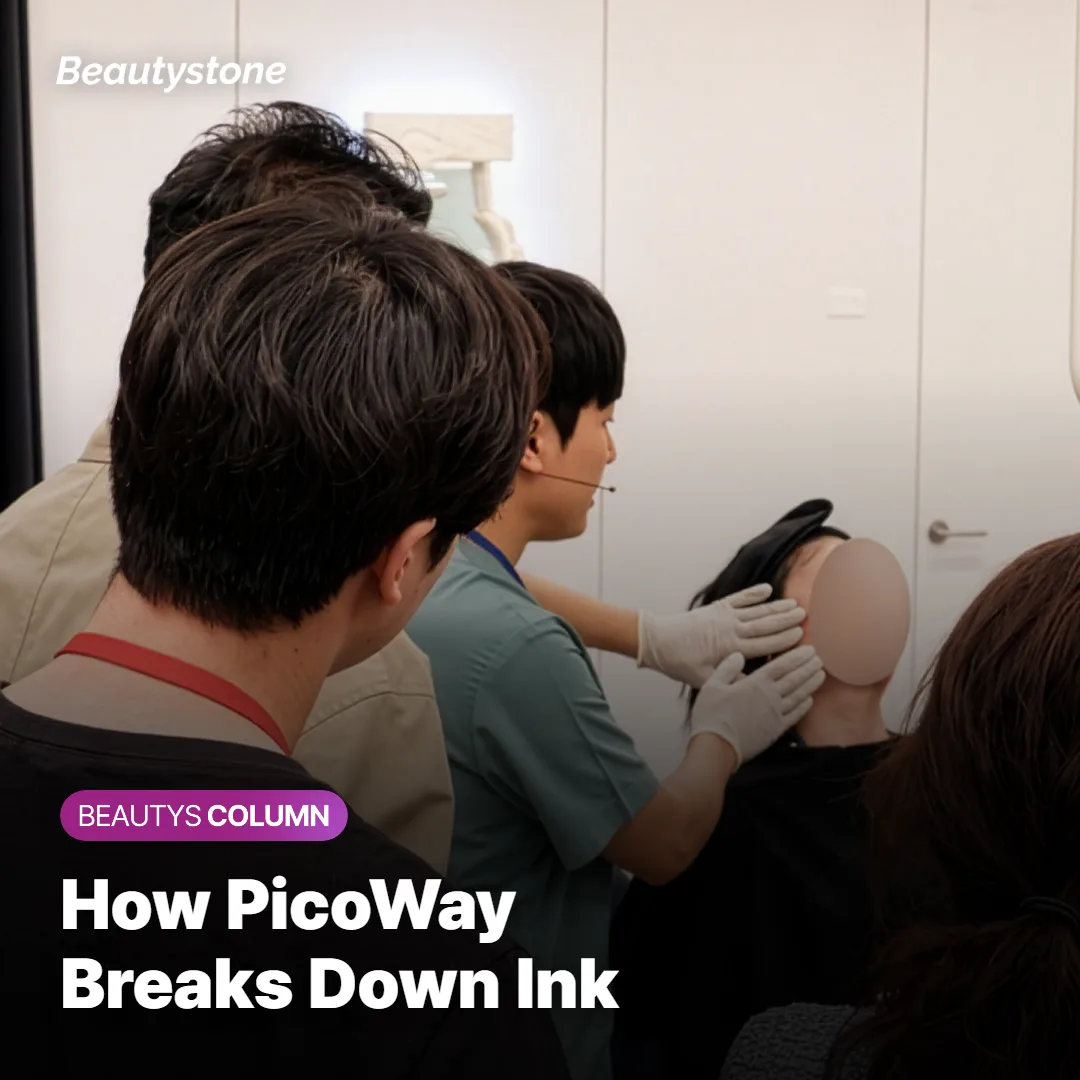
PicoWay is an FDA-cleared picosecond laser, which means it delivers energy in ultra-short pulses — trillionths of a second — rather than the longer pulses older tattoo removal lasers use. Those pulses don’t erase ink directly. They shatter it.
Tattoo ink sits in the dermis (the layer of skin just beneath the surface), held there in particles too large for your body to clear on its own. PicoWay’s laser energy fractures those particles into much smaller fragments, and your immune system — specifically your lymphatic system — gradually carries them away over the weeks that follow.
The American Academy of Dermatology notes that no laser can safely break down every layer of ink in a single pass, and that redness, swelling, and mild blistering are expected after treatment — which is exactly why aftercare matters as much as the session itself.
That’s also why tattoo removal is a process, not a one-time fix. Most tattoos fade gradually across several sessions rather than disappearing after one.
What Should You Do in the First 48 Hours After Treatment?
The goal right after your session is simple: keep the area clean, protected, and undisturbed while it starts to heal.
- Cleanse gently: Wash the area with mild soap and water, then pat — don’t rub — it dry.
- Apply a thin layer of ointment: Use whatever your provider recommends to keep the skin from drying out and cracking.
- Follow your bandaging instructions: Some providers leave the area uncovered, others prefer a light dressing — go with what you were told, not a general rule.
- Skip makeup, lotion, and fragrance: Anything not specifically approved by your provider can irritate skin that’s still healing.
You’ll likely notice redness, mild swelling, and possibly small blisters in the first day or two. That’s a normal inflammatory response, not a sign that something’s gone wrong.
What’s not normal? Picking at anything. Even if it’s tempting, resist the urge to scratch, peel, or pop a blister — doing so raises your risk of scarring and can leave pigment changes behind that are harder to treat than the original ink.

What Does the Recovery Timeline Actually Look Like?
Recovery isn’t a single event — it’s a gradual process that plays out over roughly one to two weeks for most people, though your timeline can look different depending on the size, color, and location of your tattoo, plus your own skin.
- Day 0–2: Redness and swelling are at their most noticeable. Gentle cleansing and a thin layer of ointment are typically all you need.
- Day 3–7: A thin scab or crust often forms over the treated area. Let it flake off naturally instead of picking at it.
- Week 1–2: Once the scab clears, the skin underneath can look pink or slightly lighter for a while before it settles into its normal tone.
- Throughout recovery: Sun protection matters the entire time — UV exposure can trigger pigment changes in skin that’s still healing.
These are typical patterns, not guarantees — individual results vary, and skin tone, tattoo size, and how closely you stick to aftercare instructions all play a role. If things are trending in the right direction — less redness, less swelling, a scab that’s flaking rather than deepening — that’s a good sign you’re healing as expected.

Side Effects & Risks: What's Normal, and What's Not
Most side effects after PicoWay treatment are mild and temporary: redness, swelling, and light crusting that resolve within one to two weeks. But a few signs go beyond typical healing.
- Redness or pain that gets worse instead of better as the days go on
- Ongoing pus or discharge, especially paired with warmth or fever
- Raised or thickened scarring after the scab has cleared
- Skin that’s turning noticeably lighter or darker than the surrounding area
If you notice any of these, don’t wait it out — contact your provider right away. Catching a complication early is almost always easier to manage than waiting to see if it resolves on its own.
Research on picosecond lasers for tattoo removal has documented temporary redness and crusting as the norm after treatment, with some patients experiencing lasting pigment changes — a reminder that healing patterns differ from person to person, and that’s worth discussing with your provider rather than assuming.
Can You Shower, Swim, or Scratch During Recovery?
Short version: gentle showers, yes. Soaking, scratching, and saunas, not yet.
It’s going to itch. That’s part of healing, and it usually means new skin is doing its job underneath. Scratching it, though, undoes that work — picking at a scab raises your risk of both scarring and pigment changes, so keep your hands off and lean on your ointment instead.
A quick, gentle rinse in the shower is generally fine. What’s not fine: long soaks in a bathtub, pool, or hot tub, and jumping straight back into the sauna. Give the area time to fully close up before you put it back in standing water or heat.
How Long Should You Wait Between Sessions?
Most providers space PicoWay sessions several weeks apart, and there’s a physiological reason for that gap: your body needs time to fully clear the ink particles the laser already broke up before it makes sense to treat the area again.
Rushing back in too soon doesn’t speed up the process — it just adds more inflammation to skin that hasn’t finished healing yet. Your provider will typically look at how the area has healed, not just the calendar, before scheduling your next round.
As for how many sessions you’ll need in total, that depends on the tattoo’s size, ink density, colors, and depth. Some tattoos fade out in a handful of sessions; others take longer. It’s less about hitting a fixed number and more about tracking gradual fading from one session to the next.
The Bottom Line
Redness, swelling, and light crusting for the first one to two weeks are typically part of normal healing. Worsening pain, ongoing discharge, or spreading redness are not, and they’re worth a call to your provider. Protecting the area from sun and leaving scabs alone are the two habits that matter most — and however good your aftercare is, tattoo removal is still a gradual process spread across multiple sessions, not a single appointment.
Like any laser procedure, PicoWay comes with some downtime and a healing process to manage — it’s not a quick, consequence-free fix. Ultimately, how your skin responds and how quickly you heal depends on your tattoo, your skin, and how closely you follow aftercare instructions.
If you’re considering PicoWay tattoo removal or want a recovery plan tailored to your skin, a consultation is the best place to start. Beautystone is a dermatology clinic in Seoul’s Hapjeong neighborhood — see current offers at /en/promotion.
Frequently Asked Questions
Q1. How long does recovery take after PicoWay tattoo removal?
Most of the redness and puffiness you see right after treatment settles within one to two weeks. Individual healing time can vary depending on the treated area and your skin.
Q2. What should I do in the first 48 hours after PicoWay treatment?
Keep the area clean, protected, and undisturbed: cleanse gently with mild soap and water and pat it dry rather than rubbing, apply a thin layer of the ointment your provider recommends, and follow whatever bandaging instructions you were given rather than a generic routine.
Q3. How many PicoWay sessions does it take to fully remove a tattoo?
Tattoo removal is a gradual process rather than a one-time fix — most tattoos fade across several sessions instead of disappearing after one. The exact number of sessions you'll need depends on your specific tattoo and skin, so it's best discussed with your provider.
Q4. Is redness and swelling after PicoWay normal, or a sign of a problem?
Redness, swelling, and even mild blistering are expected after treatment, according to the American Academy of Dermatology. That said, if symptoms seem unusually severe or aren't improving as expected, it's worth checking in with your provider rather than waiting it out.

