Does Facial Mist Actually Hydrate Your Skin?
Spritzing a facial mist feels like instant hydration, but plain water alone can evaporate and pull moisture out of your skin instead of adding it. Here's what actually keeps skin hydrated, and how to mist without backfiring.

If your bag has a facial mist rattling around in it, you're not alone. It's become one of the easiest skincare habits to reach for — one spritz and your face instantly feels cooler and dewier, so it's easy to assume that's hydration doing its job. But you've probably also heard the opposite claim: that misting your face too often can actually dry your skin out. So which is it? In this article, we'll cover what a facial mist actually does to your skin, why plain water can backfire, and how to use one so it works for you instead of against you.
Does Facial Mist Actually Hydrate Your Skin?
The short answer? Not on its own. A facial mist can absolutely be part of a hydrating routine, but the spritz itself isn't the part doing the moisturizing — what you do in the few seconds right after matters a lot more.
Most facial mists are mostly purified water, and that water genuinely does feel cool and refreshing the moment it lands on your skin. That part's real. The question is what happens to it next.
Why Water Alone Doesn't Moisturize Your Skin
Water sitting on the surface of your skin doesn't stay there — it evaporates. And as it evaporates, it can pull additional moisture out of your skin along with it. Skincare formulation research treats real hydration as a three-part job: humectants that draw water in, occlusives that seal it in place, and emollients that smooth everything in between. Plain water only touches the first of those, and only for a moment.
That's the mechanism behind what's sometimes called reverse hydration: spraying water on your face again and again without ever sealing it in can leave your skin drier by the end of the day than when you started.
Not All Mists Are Created Equal
Check the ingredient list before you assume your mist is doing more than a spray bottle of tap water would. Some formulas really are just purified water and a little fragrance. Others add humectants like glycerin or hyaluronic acid, plus a touch of oil to help seal moisture in.
- Water-only mists: feel refreshing in the moment but offer little lasting hydration once that water evaporates.
- Humectant mists: glycerin or hyaluronic acid pull in extra moisture, though they still benefit from a moisturizer layered on top.
- Humectant-plus-oil mists: pair water-drawing ingredients with a light seal, putting them closer to an actual leave-on moisturizer than a quick spritz.
If a mist is labeled hydrating on the front of the bottle but the ingredient list is just water and fragrance a few lines down, that's a marketing label, not a formula built to hydrate.

Setting Spray vs. Hydrating Mist: Don't Confuse the Two
Does spraying mist over finished makeup make it last longer? Yes — but that's not hydration either. What you're seeing is the mist smoothing over the slight texture gap between powder and base, which makes makeup look more blended and set.
Setting sprays and hydrating mists solve different problems, and they're usually built differently, too. Setting sprays typically lean on polymers or resins that form a light film over makeup to hold it in place. Reach for a hydrating mist to set your makeup instead, and you can end up with patchiness or product sliding around rather than staying put.
How to Use a Facial Mist So It Actually Works
Two habits separate a mist that helps your skin from one that quietly works against it.
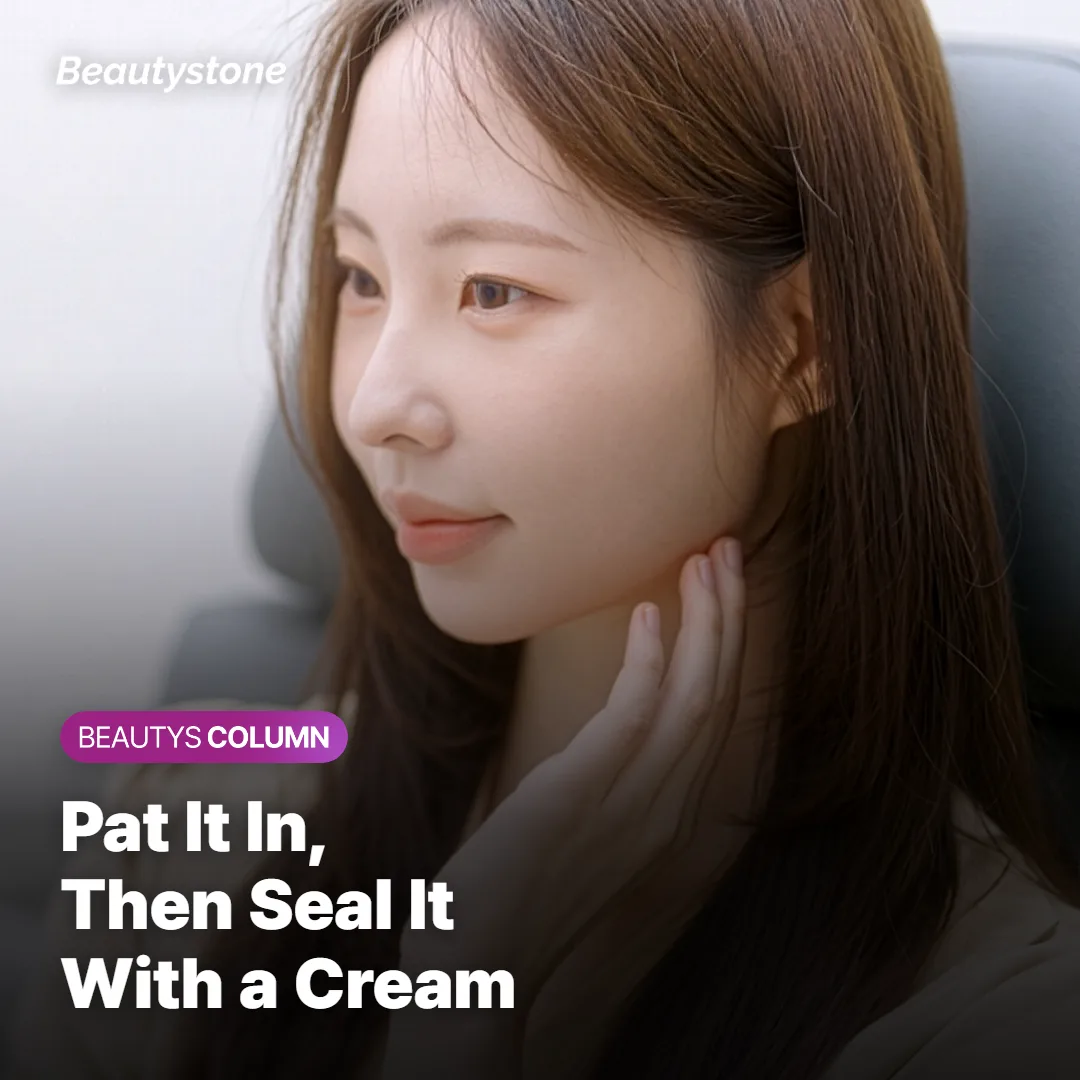
Pat, don't let it air-dry: Right after spraying, press the mist in with clean hands or a puff instead of letting it evaporate on its own. That one change cuts down how much moisture evaporation pulls back out with it.
Seal it with something occlusive: Follow up with a light cream or a few drops of facial oil while your skin is still damp. That's the step that actually locks hydration in — the mist is just the delivery system, not the destination.
Frequency over volume: One well-timed mist, patted in and sealed, does more for your skin than spraying every hour throughout the day. Reach for it when dryness actually shows up rather than on a fixed schedule.
Overuse Risks: When Misting Too Often Backfires
Misting on repeat without ever sealing it in is where things go sideways. Skin that keeps losing surface moisture to evaporation can end up feeling tighter and looking duller by the end of the day, not more hydrated — a pattern that's common with plain water mists and usually eases once you start patting the mist in and following with a moisturizer.
There's a second risk worth flagging if you mist over sunscreen: spraying on top of sunscreen that hasn't fully set, or relying on mist alone over bare skin outdoors, doesn't add SPF and can dilute what's already on your skin. Keep mist use to a light touch-up over sunscreen that's already set, not a substitute for it.
If your skin stays tight, flaky, or itchy no matter how you adjust your mist habit, that's less a mist problem and more a reason to check in with a dermatologist or your provider — ongoing dryness and itching deserve a real look, not more self-treatment.
A Better Fix for Office and Travel Dryness
If you're reaching for mist because your office air feels like a desert, the mist is treating a symptom, not the cause. A small desk humidifier changes the air itself, which tends to do more for your skin over a workday than dozens of spritzes ever could.
Drinking water regularly matters, too — your skin's primary moisture supply comes from inside, not from what lands on the surface. A mist can feel like a quick fix mid-afternoon, but a glass of water and a humidifier running nearby do more for how your skin holds up by the end of the day.
The Bottom Line
- Facial mist alone doesn't hydrate — patting it in and sealing it with a cream or oil is what makes it count.
- Plain water mists can trigger reverse hydration if you let them air-dry instead of pressing them in.
- Setting sprays and hydrating mists solve different problems, so don't swap one for the other.
Like most skincare habits, a mist comes with trade-offs — how well it works depends on the formula, your skin, and what you do in the seconds after you spray, so individual results vary. Ultimately, whether a mist earns a spot in your routine depends on your skin and your goals, not a one-size-fits-all rule. If you're not sure what your skin actually needs, a consultation is the best way to find out what fits you. Beautystone is a dermatology clinic in Seoul's Hapjeong area — see current offers at /en/promotion.
Frequently Asked Questions
Q1. Does spraying more mist mean more hydration?
Not necessarily — spraying more often without patting it in or sealing it with a moisturizer just means more water evaporating off your skin, not more hydration staying in it. A few well-timed sprays that you actually seal in do more than a dozen you let air-dry.
Q2. Is it okay to spray mist over sunscreen?
A light touch-up over sunscreen that's already set is generally fine. What you want to avoid is using mist as a substitute for sunscreen, or spraying heavily before your SPF has finished setting, since that can dilute the layer you already applied.
Q3. Can I use facial mist right before I apply makeup?
You can, but give it a minute or two to absorb first. Applying makeup over skin that's still visibly damp is one of the most common reasons foundation looks patchy or slides around later in the day.
Q4. What's the actual difference between a setting spray and a hydrating mist?
A setting spray usually contains polymers or resins built to hold makeup in place, while a hydrating mist is built around water and humectants meant for bare or lightly moisturized skin. Swapping one for the other tends to disappoint — hydrating mist won't set makeup, and setting spray won't meaningfully hydrate skin.