Laetigen: Benefits, Cost & What to Expect
Laetigen is a South Korean collagen booster that delivers collagen directly into the skin instead of waiting for your body to make more. Here's how it works, what it costs, and what results to expect.

If your skin has started to look tired no matter how much sleep you get — thinner, less bouncy, and quicker to show fine lines — you're not imagining it. Collagen production slows down steadily after your mid-20s, and once it drops low enough, moisturizer and serum alone can only do so much. That's where a growing category of injectable treatments, including one called Laetigen, comes in.
Laetigen is a South Korean collagen booster that's been getting attention for a simple reason: instead of asking your skin to make more collagen over time, it delivers collagen directly where you need it. In this article, we'll cover what Laetigen actually is, how it works, what recovery looks like, where results tend to show up first, the risks worth knowing about, and roughly what it costs.
What Is Laetigen?
Laetigen belongs to a category dermatologists call collagen boosters — injectables designed to restore volume, hydration, and firmness in the skin. But it works differently from most collagen-stimulating injectables on the market.
Treatments like poly-D,L-lactic acid (PDLLA) or poly-L-lactic acid (PLLA) biostimulators work indirectly: they create a mild injury response in the skin, which then signals your own cells to build new collagen over the following weeks and months. Laetigen skips that waiting period. It's formulated with high-purity collagen along with peptides and antioxidants, and it's injected straight into the skin — so you're supplementing what's already there rather than waiting for your body to catch up.
How Does Laetigen Work?
The short answer: it delivers ready-made collagen, plus supporting ingredients, directly into the dermis — the layer of skin responsible for firmness and elasticity.
Because the collagen is delivered rather than stimulated, many people notice a difference within days rather than the weeks it can take for biostimulators to kick in. The peptides and antioxidants in the formula are there to support the skin's own repair process alongside the collagen, so the goal isn't just to plump the skin temporarily — it's to leave it in better condition than before the injection.
That said, faster isn't the same as forever. Like most injectable boosters, Laetigen is a supplement, not a one-time fix, and results depend on your skin, your provider's technique, and how many sessions you do.
What to Expect After Treatment
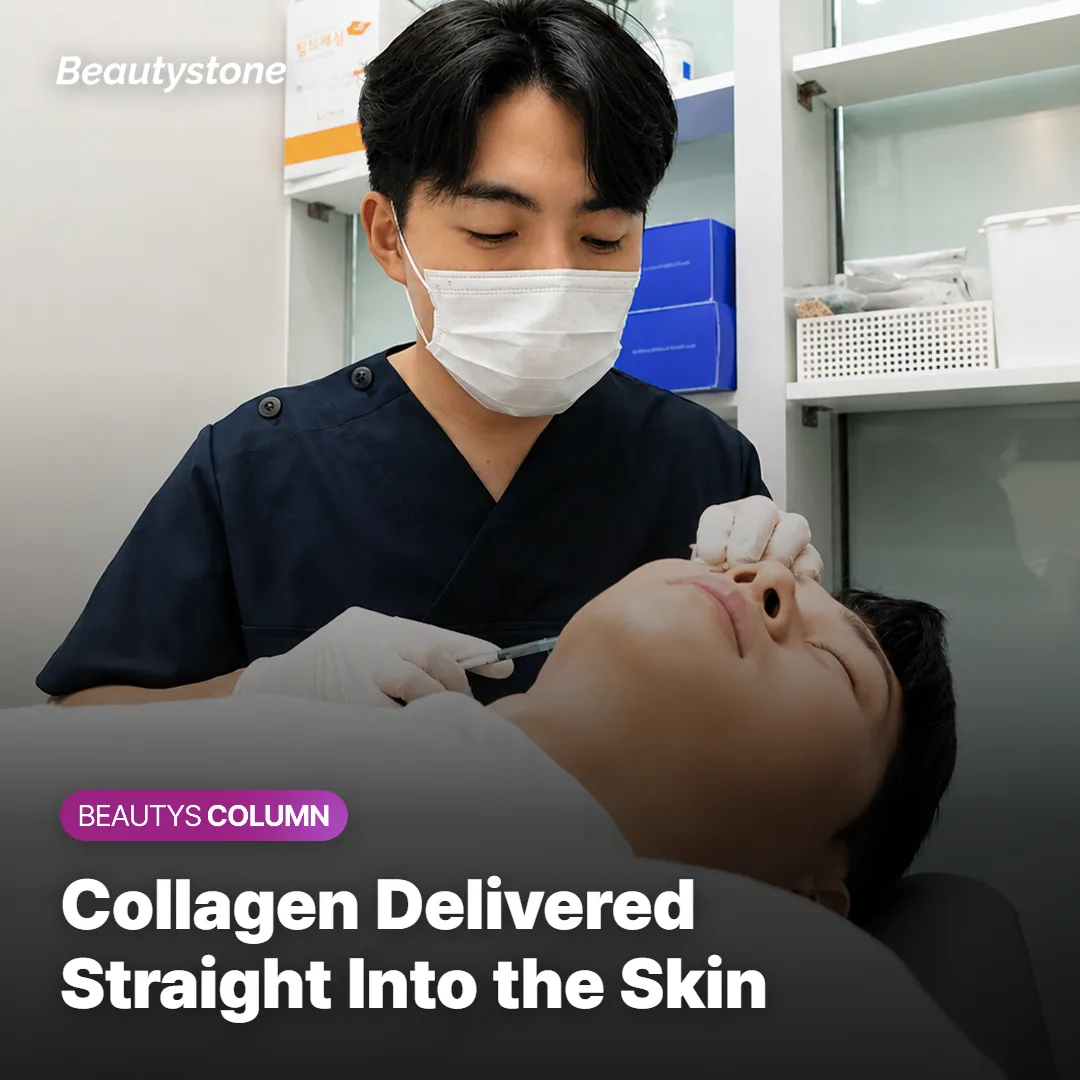
A typical Laetigen appointment starts with a numbing cream to keep discomfort to a minimum — most people describe the injections as a series of quick pinches rather than anything painful. There's no surgical downtime involved: you can go straight back to your normal day.
That said, some temporary reaction at the injection sites is normal:
- Redness: Usually settles within one to two days.
- Bruising: If it happens, it typically fades within three to five days.
- Makeup: Best to keep it minimal on treatment day and go easy on cleansing; most people wait until the next day for full makeup.
- Activity: Skip the sauna, intense workouts, and alcohol on treatment day — your provider will usually clear you for those again after about 48 hours.
Sunscreen isn't optional here — freshly treated skin is more sensitive to UV exposure, so daily SPF is non-negotiable in the days and weeks after treatment.
Where You'll See Results First
Not every part of the face responds the same way. Areas where skin is thinner and elasticity tends to drop first — like under the eyes, the cheeks, and the nasolabial folds (the creases that run from the nose to the corners of the mouth) — are usually where people notice a difference earliest.
Softening in the nasolabial area, in particular, is one of the changes people report most: as that crease fills in, the whole face can look less tired. Many people also mention smoother texture, tighter-looking pores, and — somewhat unexpectedly — better makeup application, since foundation tends to sit more evenly on hydrated, plumper skin.
Side Effects & Risks
Laetigen is generally well tolerated, but it's still an injectable, and it comes with the same category of risks as any other skin injection.
- Redness and swelling: Common and usually mild, resolving within a couple of days.
- Bruising: Possible at injection sites, typically clearing up within a week.
- Tenderness: Some sensitivity at the treated area for a day or two is normal.
- Rare reactions: Infection or an allergic response are uncommon but possible with any injectable.
If you notice spreading redness, fever, or pain that gets worse instead of better, contact your provider right away rather than waiting it out. A thorough consultation before treatment — including a review of your skin history and any allergies — is the best way to keep the risk of complications low.

How Much Does Laetigen Cost?
Pricing for Laetigen is typically based on volume and how many sessions you book. At Beautystone's Seoul clinic, a single 2cc session starts at around ₩550,000. Most providers, including Beautystone, offer a lower per-session rate when you book a package of three or more visits, since repeated treatments tend to produce more noticeable, longer-lasting results than a single appointment.
Exact pricing varies by clinic, by how much product your skin needs, and by any add-on treatments, so these figures are a starting point rather than a quote. The most reliable way to know what you'd actually pay is a consultation.

Who's a Good Candidate for Laetigen?
Laetigen is aimed at people dealing with dehydrated, dull, or thinning-looking skin, fine lines, or enlarged pores — regardless of gender. It isn't only a women's treatment: men dealing with dehydration-type skin, fine lines, or visible pores are candidates too, with only the injection depth adjusted for skin type.
Fall and winter tend to be a slightly gentler time to schedule it, since lower UV exposure means less irritation and, often, a smoother recovery — though it can be done safely in any season with proper aftercare. As with any injectable, a consultation with a board-certified provider is the best way to confirm whether it's the right fit for your skin.
The Bottom Line
Laetigen is a collagen booster that delivers collagen directly into the skin instead of asking your body to build more of it over time — which is why a lot of people notice firmer, more hydrated-looking skin faster than with biostimulator-style injectables. Results tend to show up first around the eyes, cheeks, and nasolabial folds, typically last three to six months, and mild redness, swelling, or bruising are the most common trade-offs.
Like any injectable, it's not a one-time-forever fix, and individual results vary depending on your skin and how many sessions you do. Ultimately, the choice depends on your skin, your goals, and your budget. If you're considering Laetigen, a consultation is the best way to find out what fits you — Beautystone is a dermatology clinic in Seoul's Hapjeong area, and you can see current offers at /en/promotion.
Frequently Asked Questions
Q1. Does Laetigen hurt?
Most clinics apply a numbing cream first, so people typically describe the injections as a series of quick pinches rather than real pain. Some redness or mild swelling in the first day or two is normal, but it's not usually described as painful.
Q2. How long do Laetigen results last?
Most people see improvements in texture and firmness that last around three to six months after a single session. If your skin has more pronounced elasticity loss, providers often recommend two to three sessions spaced about a month apart, followed by a maintenance visit roughly every six months.
Q3. Can men get Laetigen too?
Yes. Laetigen isn't marketed to one gender — men dealing with dehydrated, dull skin, fine lines, or enlarged pores are candidates too. The treatment principle stays the same; only the injection depth may be adjusted for skin type.
Q4. When can I wear makeup after Laetigen?
Most providers recommend keeping cleansing gentle and makeup minimal on the day of treatment, then resuming full makeup the next day. Avoiding exfoliants, scrubs, and heavy massage for the first two to three days after treatment also helps the skin settle.