

Warmth After InMode FX: Is It Normal?
Warmth, tingling, or mild redness for a few days after InMode FX is a normal part of how the treatment works — not a sign something went wrong. Here's the timeline most people follow, what can make it linger, and the signs that mean it's worth a call to your provider.

If you got home after InMode FX and noticed your skin still feels warm — or a little tingly, hours or even days later — you're not alone. Most people are told to expect “some redness” before they leave the treatment room, so when that warmth hangs around longer than expected, it's easy to start wondering if something's off.
The short answer? Lingering warmth, tingling, and mild redness are a normal part of how radiofrequency (RF) treatments like InMode FX work. Your skin heats up during the session and then gradually cools back down over the following days, and that cooling process is exactly what you're feeling.
In this article, we'll cover what counts as a typical recovery timeline, what can make heat or tingling stick around longer than it should, a few aftercare habits that make the first week more comfortable, and the specific signs that mean it's time to check in with your provider.
What Is InMode FX, and Why Does It Leave Skin Warm?
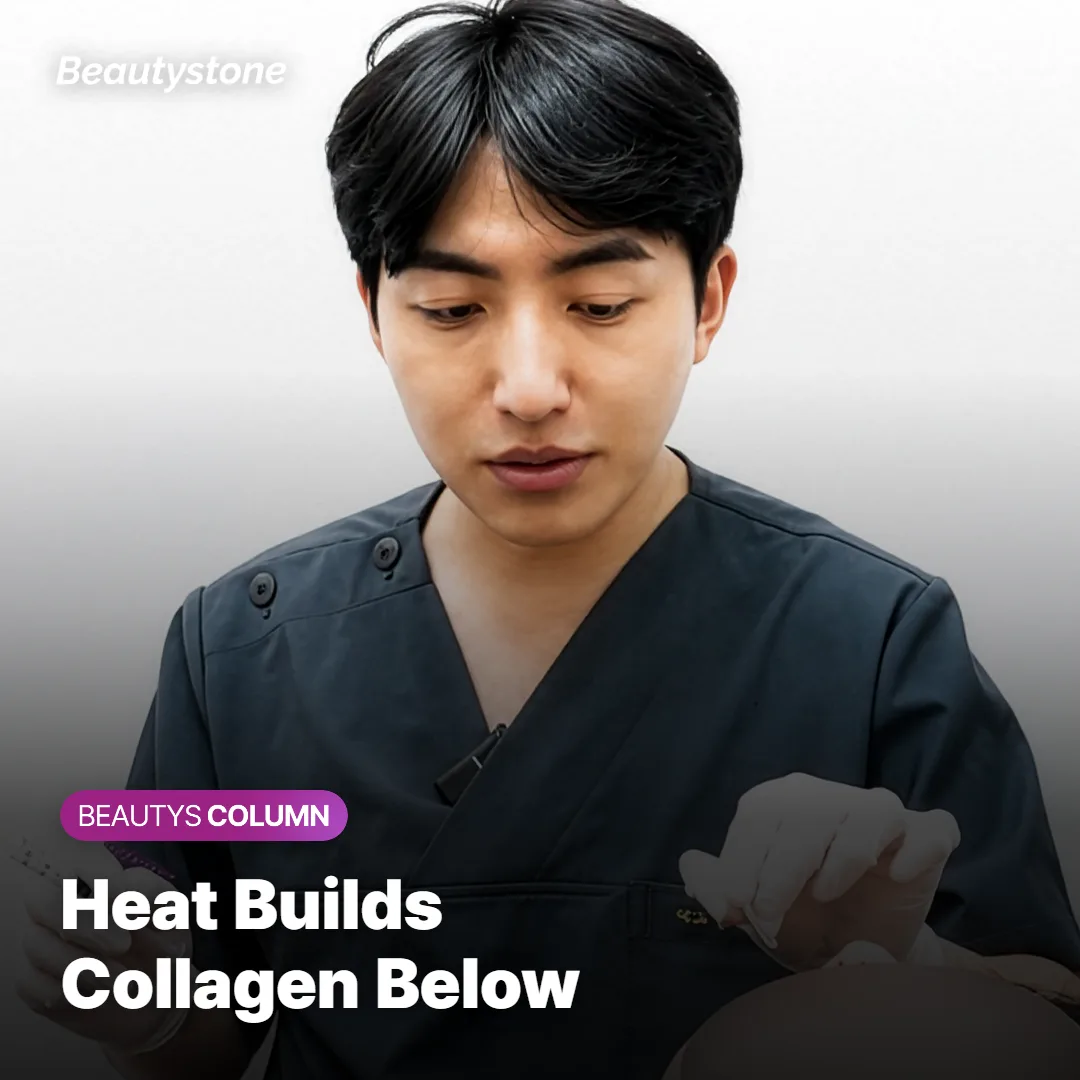
InMode FX is a radiofrequency (RF) treatment that delivers controlled heat into the deeper layer of your skin, called the dermis. That heat does two things: it causes existing collagen fibers to contract right away, and it triggers your skin to produce new collagen over the following months. The tightening and texture improvement people notice later is a direct result of that heating process.
Because the whole point of the treatment is to warm the deeper skin layers on purpose, it makes sense that some of that warmth is still noticeable after you leave. Your provider isn't just being cautious when they mention redness or heat beforehand — it's baked into how the technology works.
Why Heat and Tingling Are a Normal Part of Recovery
Research on RF-based skin treatments describes the same pattern: heat contracts and remodels collagen, and redness or swelling afterward typically settles within a matter of hours to a few days as the tissue cools and recovers. That's essentially the process your skin is going through right now.
How intense it feels — and how long it lasts — varies from person to person. Thinner or more reactive skin tends to hold heat a little longer at the same energy setting, and if you already deal with occasional flushing, you may notice the redness stick around a bit past where someone else's would fade. None of that means the treatment was too strong for you; it just means everyone's skin responds on its own timeline.
Your Day-by-Day Recovery Timeline
So how long is “normal,” exactly? Most people follow a fairly predictable curve, even though the exact intensity differs from person to person. Here's the general pattern to expect.
| Timing | Warmth | Tingling | Redness |
|---|---|---|---|
| Day of treatment | Noticeably warm | Common | Fairly visible |
| Day 1–2 | Mild, low-grade | Occasional | Starting to fade |
| Day 3–5 | Mostly gone | Rare | Nearly settled |
| Day 7 | Not noticeable | None | Back to normal tone |
If you're tracking somewhere close to that curve, you're in typical territory. If your skin is thin, sensitive, or prone to flushing, it's common to run a day or two behind this timeline rather than ahead of it.
What Can Make Heat or Tingling Stick Around Longer
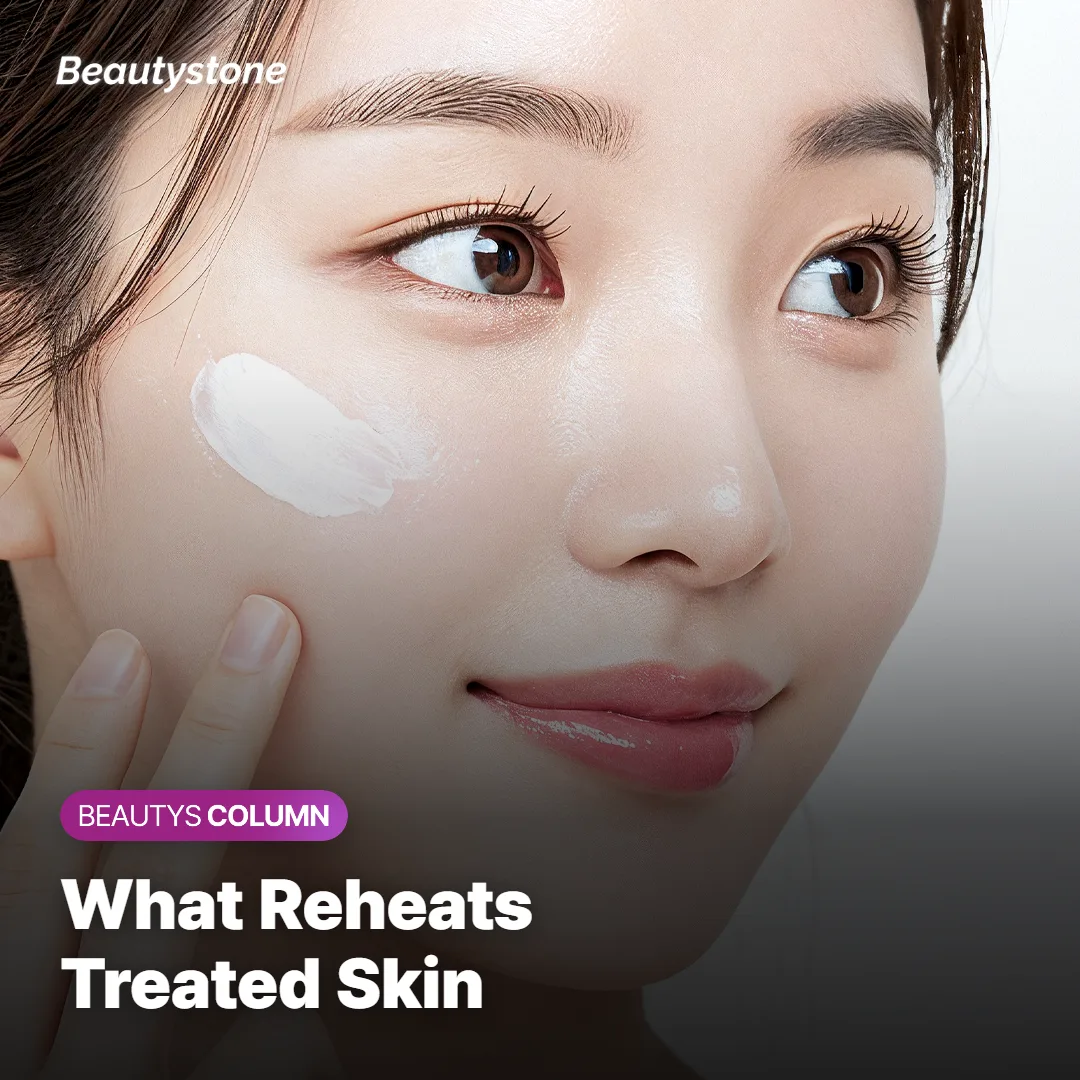
If warmth isn't fading the way you'd expect, the culprit is often something reheating the treated area from the outside rather than the treatment itself misbehaving. A few common triggers:
- Hot showers, saunas, or hot tubs: These raise the temperature of the treated area right back up, which can bring warmth back after it had already started to fade.
- Intense exercise: A spike in blood flow can reignite that warm, flushed feeling.
- Alcohol: It dilates blood vessels, which tends to make redness and warmth more noticeable.
- Sun exposure: Freshly treated skin is more reactive, so UV exposure on top of it can slow recovery down.
- Retinoids and exfoliating acids: These are worth pausing for a few days — treated skin is already sensitized, and layering active ingredients on top adds more irritation.
Cutting back on these for the first few days usually brings things back on track. If warmth is still strong after you've avoided all of the above for a week, or if it's localized to one specific spot and starting to feel like pain rather than heat, that's worth flagging to your provider — most of the time it resolves on its own, but a quick check-in offers peace of mind.
Aftercare Tips to Ease the Warmth
You don't need to do much to help your skin recover — mostly, it's about avoiding extra irritation rather than adding new steps. A few things that help:
- Lukewarm water only: Cleanse briefly with lukewarm water and pat dry instead of rubbing.
- Keep it moisturized: A gentle, fragrance-free moisturizer supports your skin barrier and can make tingling feel less noticeable.
- Reapply sunscreen every 2–3 hours: Starting the day after treatment, this matters more than usual while skin is sensitized.
- Stay in cooler environments: Hot, humid rooms can make warmth feel more intense than it actually is.
- Drink plenty of water: Staying hydrated supports overall skin recovery.
A light cold compress can take the edge off if the warmth feels uncomfortable — just keep it brief and avoid pressing ice directly against your skin for long stretches, since that can irritate rather than soothe. If you like using a sheet mask to help skin feel calmer, stick to a fragrance-free, alcohol-free formula for the first day or two.
Side Effects & Risks: When to Call Your Provider
Most of what you'll feel after InMode FX resolves on its own within about a week. Still, a handful of signs go beyond typical recovery and are worth a call to whoever performed your treatment:
- Strong heat that hasn't eased up after a week despite cutting back on the triggers above.
- Blistering, oozing, or a yellowish crust forming over the treated area.
- Pain that's isolated to one spot and getting worse rather than gradually easing.
- A high fever, spreading redness, or warmth that seems to be expanding — these can point to infection and deserve prompt attention.
- Redness or swelling that hasn't improved after two weeks.
Redness itself (erythema) is a normal, expected response to RF heat — it's only when it stalls, worsens, or comes with one of the signs above that it's no longer just a routine recovery signal. If you notice spreading redness, fever, or worsening pain, seek medical care right away. For anything milder but still off compared to what you were told to expect, it's always reasonable to reach out to your provider rather than wait it out — they treated you and know your specific case best.
The Bottom Line
Warmth, tingling, and mild redness after InMode FX are expected parts of how the treatment stimulates collagen — not signs that something went wrong. For most people, it's most intense on treatment day, fades to a mild, occasional sensation over the next day or two, and is essentially gone within a week.
Like any procedure, there's a small chance recovery doesn't go exactly to plan, which is why it's worth knowing the red flags — persistent strong heat, blistering, isolated worsening pain, fever, or redness that lingers past two weeks — even though most people never see them.
Ultimately, how your skin responds depends on your skin type, sensitivity, and how closely you stick to aftercare in the first few days. If you're considering InMode FX or want a read on how your own recovery is tracking, a consultation is the best way to find out what to expect for your skin. Beautystone is a dermatology clinic in Seoul's Hapjeong area — see current offers at /en/promotion.
Frequently Asked Questions
Q1. How long does warmth from InMode FX usually last?
Most people feel the most heat on the day of treatment, with it fading to a mild, occasional warmth over the next day or two. By day 3 to 5, it's typically barely noticeable, and most people don't feel anything by day 7. Thinner or more sensitive skin can take a little longer, so if strong heat is still there after a week, it's worth checking in with your provider.
Q2. Can I use ice to cool down the tingling?
A light cold compress is fine — just keep it brief and avoid pressing ice directly against your skin for long periods. Wrapping an ice pack in a clean cloth and holding it against the area for short stretches is a safer way to take the edge off without over-cooling sensitized skin.
Q3. Is it okay to work out or use the sauna the day after InMode FX?
It's best to skip intense exercise, saunas, and hot showers for about 2 to 3 days. Both raise blood flow and skin temperature, which can bring back warmth that had already started to fade. A light walk is generally fine, but save anything that makes you sweat heavily for later in the week.
Q4. When can I wear makeup again after InMode FX?
If there's no oozing or broken skin, light makeup is usually fine starting the day after treatment. If tingling is still noticeable, it's worth holding off on color cosmetics for a day or two and sticking to a simple routine of gentle moisturizer and sunscreen instead.


