Filler Side Effects: What to Check First?
Managing medication before your procedure and proper aftercare afterward are key to minimizing bruising and swelling. Here's your Filler safety checklist.

When researching Filler, one of the first concerns that comes to mind is often, "What if I end up bruised and lumpy?" While no procedure is entirely free of potential side effects, there's quite a bit you can do ahead of time to minimize them. So, what exactly should you look into before going in?
The short answer: common side effects typically resolve within a few days, but rare and more serious complications do exist — which is why checking in before, during, and after your procedure really matters. Let's walk through it in order.
By the end of this article, you'll know:

  · How to tell common Filler side effects apart from rare ones
  · What to prepare and check before your procedure
  · Which warning signs to watch for immediately after your procedure
  · How to manage post-procedure swelling and bruising
What Are the Most Common Filler Side Effects?
The most common reactions include swelling, bruising, minor bleeding at the injection site, and palpable nodules*. Most of these tend to resolve within a few days to a few weeks.
Nodules*: Small lumps that form under the skin when Filler clumps together. Most resolve on their own over time, or a medical professional can address them if needed.
The American Society for Dermatologic Surgery's resource on dermal fillers categorizes swelling, bruising, bleeding, and nodules as common reactions, while infection, allergic responses, and filler migration are listed as rare. One rare but serious situation worth knowing about is accidental intravascular injection — this requires prompt medical attention and should be clearly distinguished from typical post-procedure reactions.
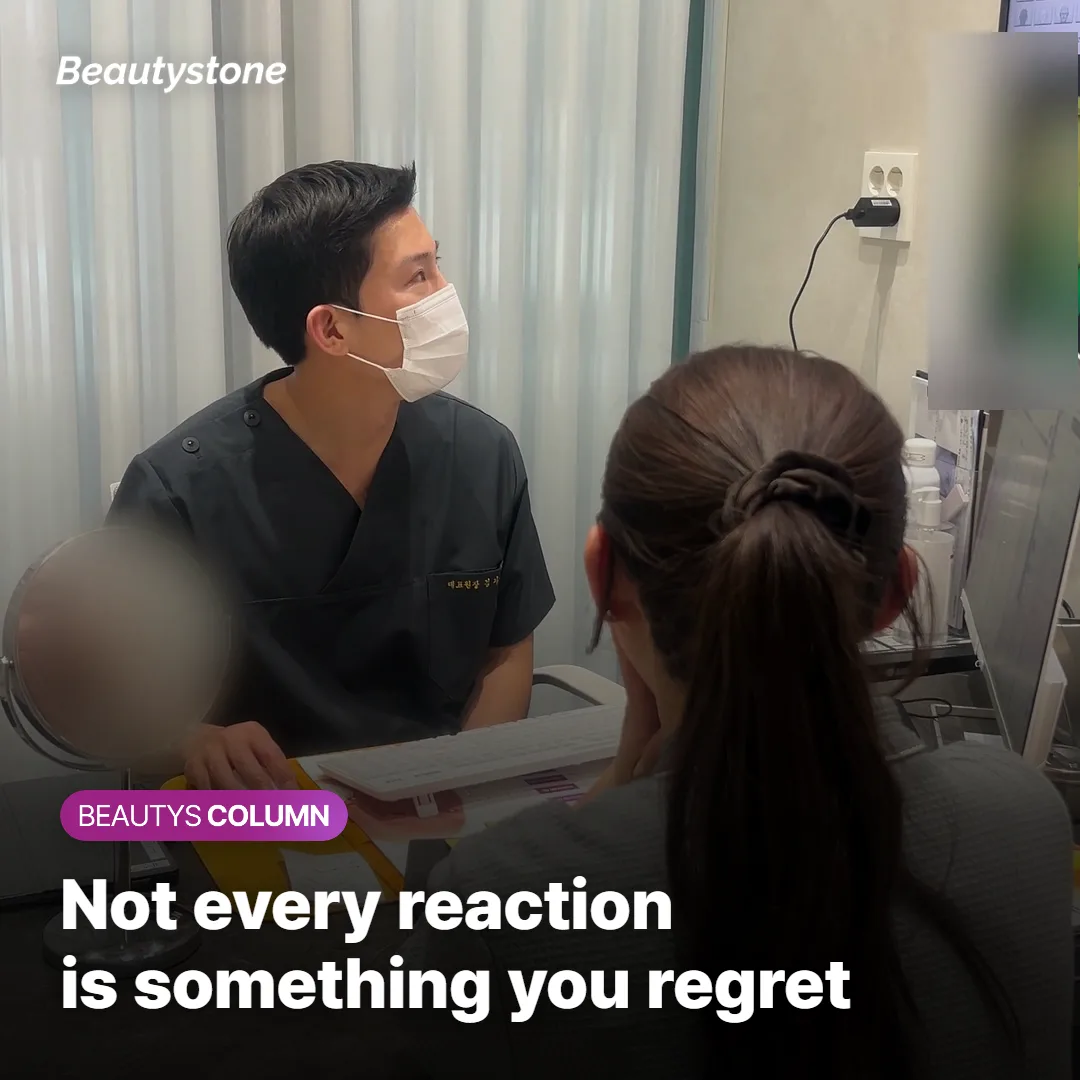
Pre-Procedure Checklist — Medications, Health History & Your Injector
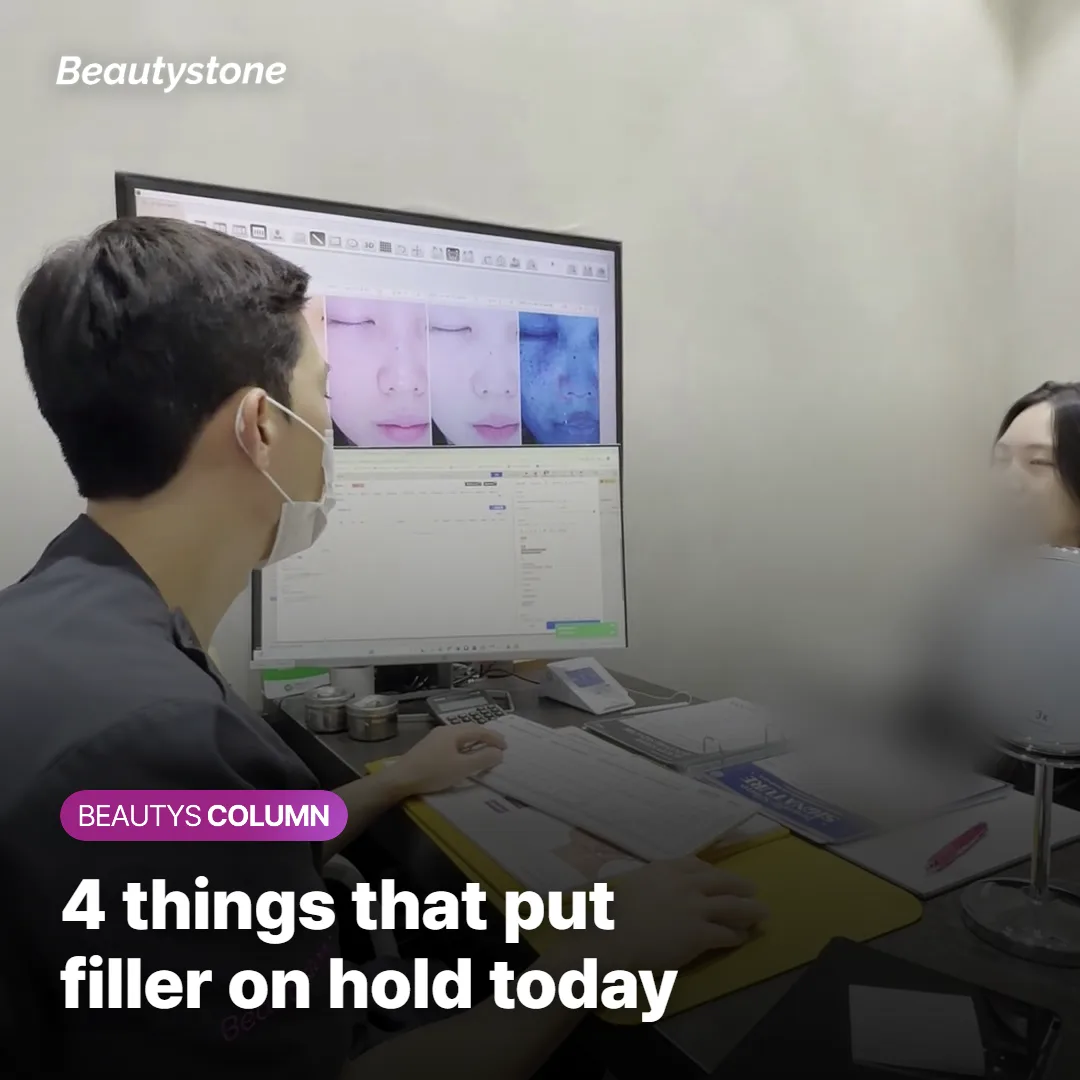
There are a few things to take care of before your appointment. According to the same resource, blood thinners such as aspirin — which can increase the risk of bruising — should be discussed with your prescribing physician and potentially adjusted around two weeks before your procedure. Additionally, certain conditions such as active lip herpes, uncontrolled diabetes, or blood coagulation disorders may mean that Filler is not appropriate for you at that time.
Above all, who performs your procedure makes a significant difference. The resource also recommends that your medical provider review your health history and assess the treatment area thoroughly before proceeding. Confirming your injector's qualifications and the thoroughness of your consultation should be your very first checkpoint.
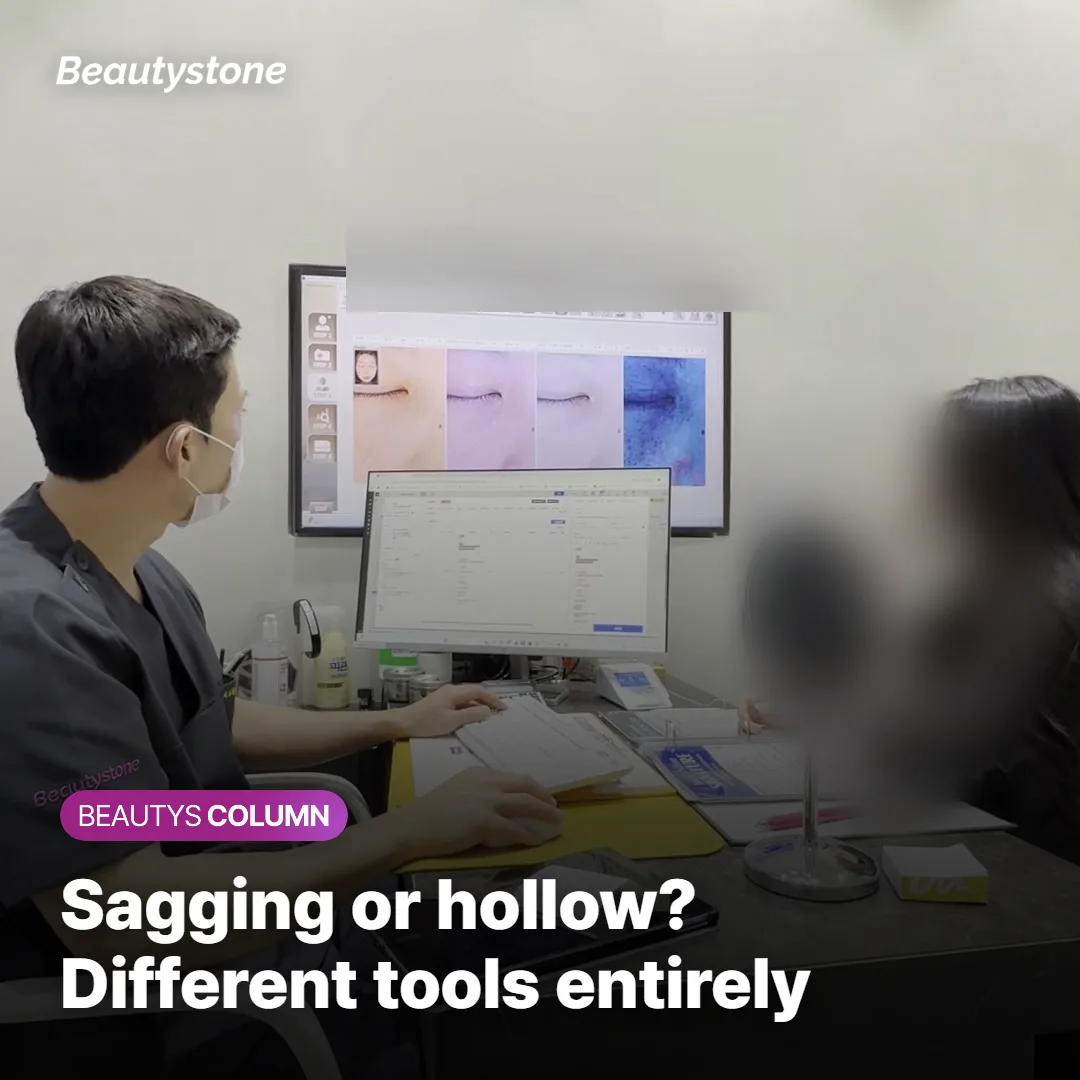
Right After Your Procedure — Signs to Report Immediately
Most people experience only mild swelling and bruising, but if you notice anything unusual right after your procedure, it's important to let your medical provider know right away.
- Sudden blanching (whitening) at the injection site, or persistent severe pain
- Any visual disturbances, such as blurred vision
- Swelling or pain that worsens over time rather than improving
These can be signs that go beyond typical post-procedure reactions and require prompt evaluation. Knowing what to look for in advance means you can respond calmly and without hesitation if something feels off.
Post-Procedure Care — Reducing Swelling and Bruising
According to Cleveland Clinic's dermal filler resource, most patients are able to return to their daily activities right after the procedure — however, avoiding strenuous exercise for one to two days is recommended, and applying a cold compress can help ease swelling. It's also best to avoid pressing firmly on the treated area.
The same resource advises contacting your medical provider if you notice any signs of infection — such as bleeding, fever, redness, or worsening swelling — or any signs of an allergic reaction. Downtime varies from person to person depending on the number of areas treated, the type of Filler used, and your overall condition at the time.
At Beautystone Clinic Hongdae, We Go Through the Checklist Together
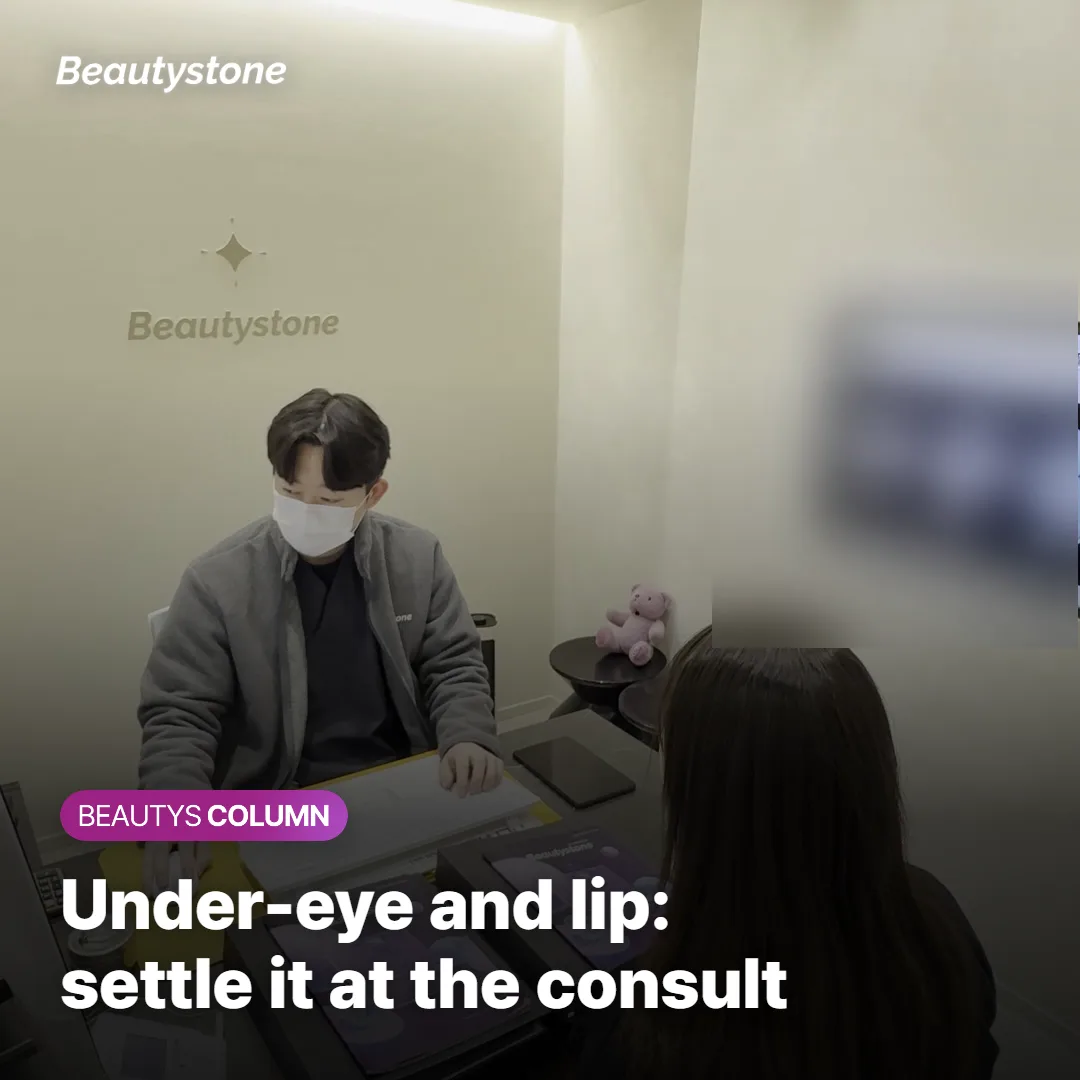
At Beautystone Clinic Hongdae, we believe Filler is more than a quick procedure to rush through. We take the time to review your pre-procedure medications, health background, and post-procedure care plan together — because even with the same Filler, what each person needs to watch out for can be quite different.
This article is intended as general information, so we always recommend discussing your individual suitability and any specific precautions with a medical professional before your procedure. We're a short walk from Hapjeong Station, so you're always welcome to stop by before your appointment to go over your personal concerns and what to keep in mind.

Frequently Asked Questions
Q. Does Filler always cause bruising?
A. Not necessarily — but bruising and swelling are fairly common reactions. Discussing any blood-thinning substances with your provider beforehand and avoiding pressure on the treated area afterward can help reduce the likelihood.
Q. How long do side effects usually last?
A. Common swelling and bruising typically resolve within a few days to a few weeks. That said, some reactions can appear later, so if you notice anything out of the ordinary that persists, it's worth checking in with your medical provider.
Q. Can I exercise right after my procedure?
A. It's generally recommended to avoid strenuous exercise for about one to two days. Since downtime varies depending on the treatment area and your individual condition, it's best to follow the specific guidance from your provider.
Q. What signs should prompt me to seek medical attention right away?
A. Sudden blanching at the injection site, severe or worsening pain, visual disturbances, progressively worsening swelling, or fever are all signs that warrant immediate contact with your medical provider.