Vascular Dark Circles: Target the Vein or Hide It? 2 Fixes
If your under-eye area looks fine in the morning but darker by evening, that day-to-day shift is a strong sign your dark circles are vascular. From there, treatment splits into two paths: targeting the visible vein directly, or thickening the skin above it so the vein shows through less.

If your under-eye area looks fine in the morning but noticeably darker by the time you check the mirror again in the evening, you're not imagining things. That kind of shift, where the same dark circle looks lighter on a good day and darker on a tired one, points to a specific cause: it's vascular.
But "vascular" doesn't automatically mean one treatment. Once color really does shift within a day, providers usually look at two different approaches: targeting the visible vein directly with a laser, or thickening the skin above it with a collagen booster so the vein shows through less. Which one fits better depends on what's actually going on under your eyes. In this article, we'll cover why color shifts within a day, a simple self-check you can try at home, how vascular lasers and collagen boosters each work, and how to think about which approach might fit you.
Why Do Dark Circles Change Color Within a Day?
The short answer: if your dark circles look lighter in the morning and darker by evening, or noticeably worse on days you're exhausted, that day-to-day swing is a strong sign the cause is vascular. Pigment-related dark circles and hollow-related shadowing don't typically move around like that.
There's a simple check you can try at home. Gently pull the skin under your eye upward with a finger. If the color visibly lightens when you do this, you're likely looking at thin skin with a vein showing through underneath, which leans vascular. If the color stays the same brownish tone, that points more toward pigmentation. If the shadow disappears entirely once you pull, hollowing (volume loss) is more likely the driver. Research on periorbital dark circles (periorbital dark circles typically involve overlapping causes such as shadowing, vascularity, and pigmentation rather than a single isolated factor) backs up the idea that it's worth checking more than one sign rather than assuming any single test tells the whole story.

What's Actually Causing the Color Shift?
It comes down to oxygen levels in the blood sitting in the veins under your eyes. Deoxygenated blood (blood that's already dropped off its oxygen) reads as a darker, more blue-toned color through skin than oxygen-rich blood does. When you're tired, sleep-deprived, or you've been sitting still for hours, blood flow through those veins slows down, and deoxygenated blood lingers there longer. That's why the same area can look noticeably darker by late afternoon or evening.
The under-eye area also happens to be the thinnest skin on your face, which is exactly why this shows up so visibly there and barely anywhere else. The thinner the skin, the more a vein sitting just beneath it shows through, and the more your color can swing based on what's happening in your circulation that day. Skin thickness is a bigger variable here than most people expect.
Vascular Laser: Targeting the Veins Directly
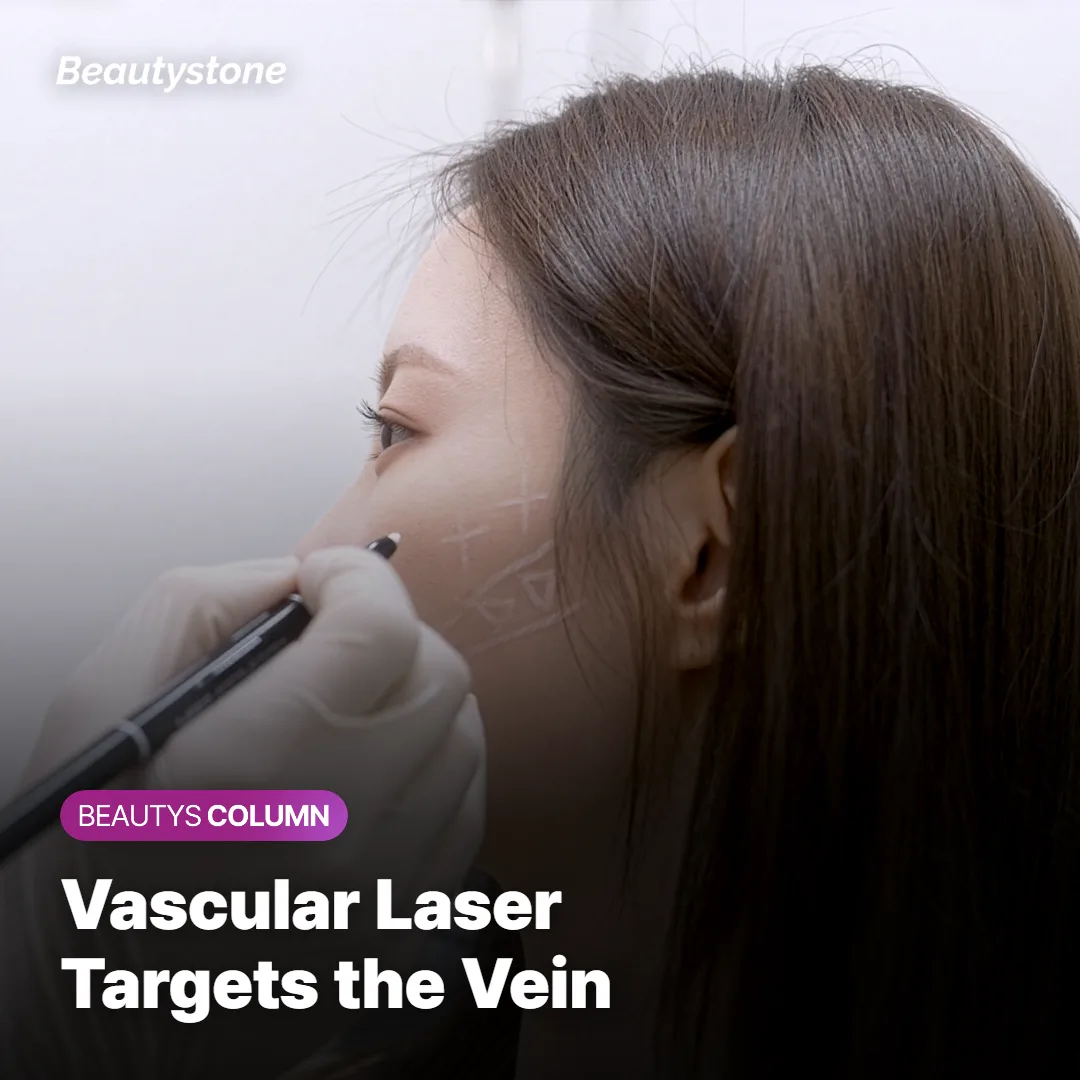
This approach goes after the visible vein itself. A vascular laser is tuned to a wavelength that gets absorbed by hemoglobin (the oxygen-carrying protein in blood) inside the vein, which coagulates the vessel and gradually fades the visible show-through over the following weeks. A review of vascular approaches to periorbital dark circles (lasers that target blood vessels are considered a suitable option for the vascular type of periorbital dark circles) points to pulsed dye lasers (585-595nm) and longer 1064nm wavelengths as commonly used options, with the longer wavelength generally considered a safer pick for deeper skin tones since it interacts less with melanin.
This isn't usually a one-and-done treatment. Most people need several sessions spaced a few weeks apart, and improvement tends to show up gradually as sessions add up rather than all at once. It's typically the first pick for anyone whose vein is clearly visible and stays that way regardless of the time of day. Bruising or discoloration at the treated spot can linger for several days afterward, so it's worth timing sessions around your schedule.
Collagen Boosters: Thickening the Skin to Hide the Veins
This approach leaves the vein alone and works on the skin above it instead. A collagen booster stimulates new collagen production in the dermis (skin's structural middle layer), and as that layer gradually thickens, the same vein underneath becomes harder to see, even though it's still there. PDLLA-based formulas such as Juvelook are common examples of collagen boosters used for this purpose. Because the under-eye area is delicate, providers typically use finer-particle, lower-irritation boosters here rather than the formulations used elsewhere on the face.
This route usually involves two to three sessions spaced a few weeks apart. It tends to be the better starting point for anyone whose pull test showed a dramatic lightening, since that's a sign thin skin is doing most of the work rather than a stubbornly visible vein. Don't expect an immediate change here. Collagen boosters take time to build, so results show up gradually over the following weeks as the dermis fills in, not right after the appointment.

Vascular Laser vs. Collagen Booster: Side-by-Side
Since the two treatments work in fundamentally different ways, it helps to see them side by side.
| Category | Vascular Laser | Collagen Booster |
|---|---|---|
| What It Targets | The visible vein directly | Skin thickness above the vein |
| Best Fit | A clearly visible vein | Thin skin as the main driver |
| Typical Sessions | Several, a few weeks apart | Two to three, a few weeks apart |
| When Results Show | Gradually, as sessions add up | Gradually, as the dermis fills in |
Some people have both a visible vein and thin skin working against them at the same time, in which case combining the two approaches, spaced out over separate appointments, tends to work better than picking just one.
A few situations are worth flagging before booking either treatment:
- Pregnancy or breastfeeding: most providers recommend holding off on both treatments.
- Active infection or inflammation around the eyes: treatment should wait until it clears.
- A history of keloid scarring: flag this during your consultation so your provider can plan accordingly.
- Recent eye-area procedures: space treatments out rather than stacking them close together.
- Certain photosensitizing medications: some laser treatments may need to be timed around these.
If any of that applies to you, talk to your provider about timing before scheduling.
How Much Does It Cost?
Pricing for both treatments varies by clinic, by how many sessions you need, and by how much area is being treated, so there's no single number that applies across the board. Vascular laser is usually billed per session since you'll need a series, while collagen booster pricing often reflects the product volume used per visit.
The most reliable way to get an actual number is a consultation, where a provider can look at your under-eye area and map out how many sessions you're likely to need. If you want a general sense of current offers, they're listed at /en/promotion.
Side Effects & Risks
Both treatments are generally well tolerated, but it's worth knowing what to expect from each.
- Vascular laser: Mild bruising, redness, or discoloration at the treated spot is common and usually settles within several days. Some people cover it with makeup in the meantime.
- Collagen booster: Mild swelling right after injection is common and typically goes down within a day or two. Minor bruising at the injection site can also happen.
- Both treatments: Less commonly, prolonged bruising, uneven results, or an allergic reaction to the product used can occur.
If you notice spreading redness, swelling that worsens instead of improving, or a fever after either treatment, seek medical care right away rather than waiting it out.
The Bottom Line
If your dark circles change color within a day, lighter in the morning and darker by evening, that's a solid sign a vascular component is involved. From there, a vascular laser targets the visible vein directly, while a collagen booster thickens the skin above it so the vein shows through less. Neither is automatically the better option across the board. It really comes down to whether a visible vein or thin skin is doing more of the work in your specific case, and some people benefit from combining both, spaced out over separate appointments rather than done the same day.
Like most things with skin, individual results vary, and a pull test at home is a useful starting point rather than a diagnosis. Ultimately, the right approach depends on your under-eye anatomy, your goals, and how many sessions you're realistically up for.
If you're trying to figure out which category your dark circles fall into, a consultation is the best way to find out what's actually going on. Beautystone is a clinic in Seoul's Hapjeong area, and current offers are listed at /en/promotion.
Frequently Asked Questions
Q1. Can I get a vascular laser and a collagen booster at the same time?
Sometimes, if both a visible vein and thin skin are contributing to your dark circles. Providers usually stagger the two rather than doing them on the same day, often starting with the laser to reduce the vein's visibility, then following up with a collagen booster once that's settled. Space each treatment out based on your provider's plan rather than combining them in a single visit.
Q2. How many sessions do I need, and how long do results last?
It depends on which treatment you're doing. Vascular laser typically takes several sessions spaced a few weeks apart, with improvement building gradually. Collagen boosters usually take two to three sessions, and results build in gradually over the following weeks too. Individual results vary, and maintenance sessions down the line are common for both.
Q3. Does either treatment hurt?
Most people describe both as more uncomfortable than painful, closer to a series of quick pinches. Numbing cream is commonly used beforehand for the collagen booster, and the laser sensation is often compared to a light snap against the skin. Ask your provider about numbing options if you're sensitive around the eye area.
Q4. When can I wear makeup again after treatment?
For collagen boosters, most people can wear light makeup the next day once any swelling has gone down. For vascular laser, it depends on whether there's bruising or discoloration at the site. If there is, your provider will likely recommend waiting until it fades before applying makeup directly over the area.