
Sofwave Numbing Cream: The 20 to 30 Minute Window That Matters
A timeline of the appointment, from when the cream goes on to what is normal two days later.


What you'll learn

  · Numbing cream typically does its best work 20 to 30 minutes after application.
  · The sensation is usually quick, warm pinpricks rather than deep, lingering pain.
  · Bony passes over the cheekbones and jawline are the parts worth planning for.
  · Redness fades in hours and mild swelling usually settles within 24 to 48 hours.
Numbing cream is not instant. It generally works best in a specific window, usually around 20 to 30 minutes after it goes on, which is why the timing of your appointment matters as much as the cream itself. A provider who times the treatment to that window is doing something useful for you; one who starts early is asking your skin to do the work the cream had not finished.
So instead of asking whether Sofwave hurts, it helps to walk through the appointment in order: what happens while you wait, what the passes feel like, which lines are the hard ones, and what counts as a normal next two days. That is the sequence below. Pain tolerance and recovery vary from person to person, so treat this as a map of the visit rather than a promise about yours.
Why the Numbing Cream Clock Starts Before You Sit Down
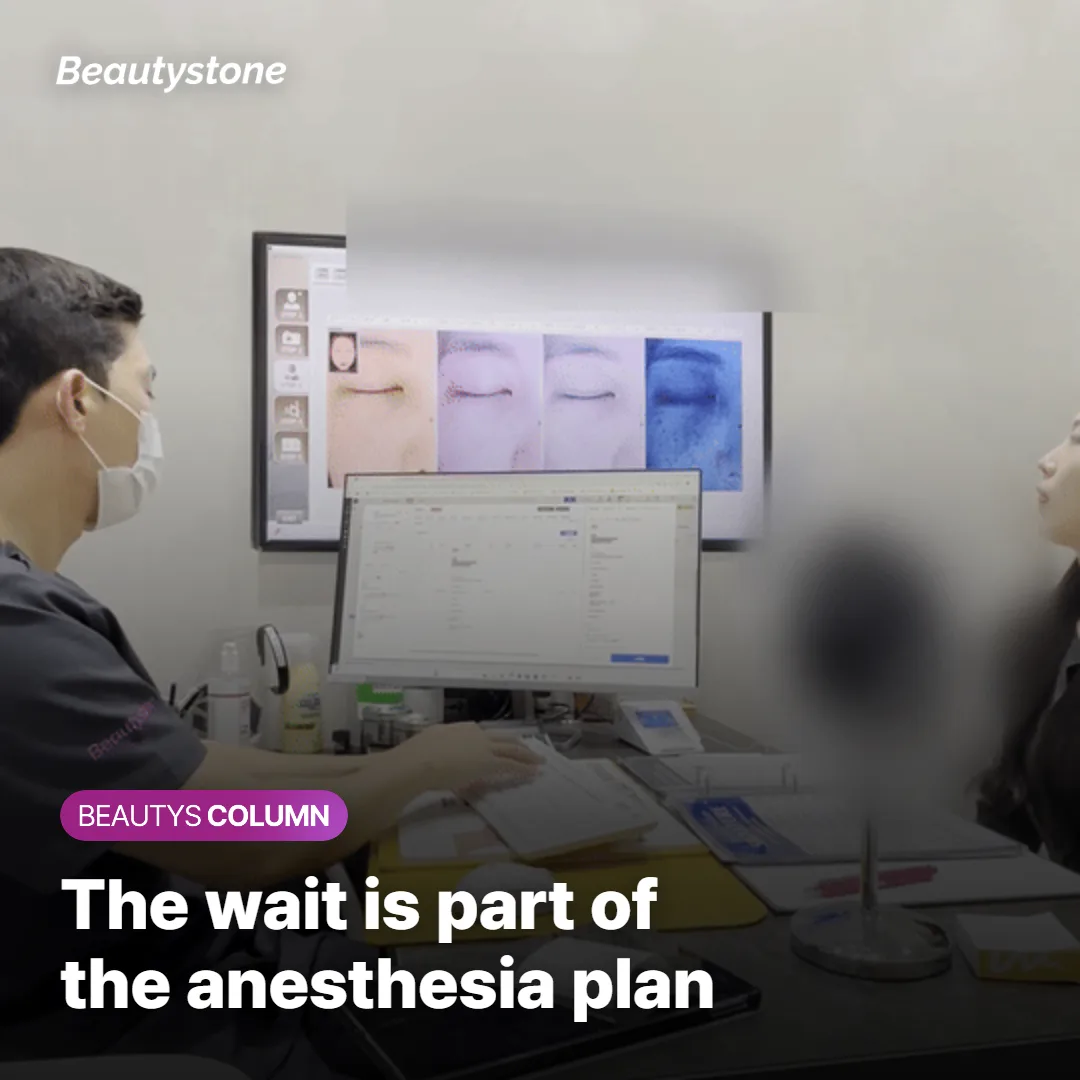
The first stage of a Sofwave appointment is waiting, and it is not dead time. Topical numbing cream works best in a specific window, usually 20 to 30 minutes after application, so a good provider will time your treatment to land inside that window rather than starting the moment the cream is spread on. If you are ever rushed straight from the cream to the handpiece, that is a fair thing to ask about.
The waiting stage is also where you can quietly improve your own odds. A few small habits change how loud the session reads:
- Cut back on caffeine an hour or two beforehand. A jittery nervous system tends to amplify every sensation, including this one.
- Eat something light before you come in. Showing up hungry rarely helps anyone tolerate anything.
- Plan to breathe slowly and deliberately once the passes begin. Short, shallow breathing makes discomfort feel larger than it is.
- Know in advance which lines are the bony ones, so the cheekbone or jawline pass does not arrive as a surprise.
None of that replaces anesthesia. It just means you are not starting the session already braced and tense, which is a real part of how intense the first few passes feel.
What the Passes Actually Feel Like, Stage by Stage
Once treatment starts, the sensation most people describe is a quick, warm pinprick that comes and goes as the handpiece moves across the skin, rather than a deep ache that builds. Sofwave delivers short ultrasound pulses to the mid-dermis, roughly 1.5mm down, which is shallower than some other ultrasound lifting devices that target deeper tissue. That shallower target is a large part of why the feeling reads as fast surface heat instead of heavy pressure.
A clinical review of high-intensity parallel ultrasound skin tightening describes this energy concentrating in the mid-dermis, where it prompts collagen and elastic fiber remodeling. That matches the way patients describe the discomfort: localized and brief rather than deep or lingering. Most devices, Sofwave included, also run contact cooling throughout the treatment, which takes the edge off the heat as it happens rather than afterward.
The intensity is not flat across the face, though. It rises and falls depending on what is underneath the handpiece:
- Over fattier areas, the pulses tend to register as warmth more than as sharpness.
- Over bone, at the cheekbones, jawline, and brow, vibration carries more noticeably and the same setting reads louder.
- Over thinner skin, including around the eyes and temples, there is less tissue to buffer heat coming from the mid-dermis.
This is also why speaking up mid-session is normal rather than dramatic. If one line is genuinely hard to get through, say so. A provider can pause, add numbing, or give you a short break, and that is a safer move than gritting your teeth through a pass.
When Cream Alone Is Not the Plan
Most patients get through Sofwave comfortably with topical numbing cream alone. A smaller group feels it more sharply, and the reasons are usually anatomical rather than a matter of willpower. The point of naming them before your appointment is that both fixes, more contact time or a nerve block, are far easier to arrange in advance than mid-session.
| If this describes you | Why it changes the plan |
|---|---|
| More than half your treatment area sits over bone | Vibration carries more noticeably through bone than through fattier tissue |
| You have thinner skin, including around the eyes or temples | Heat from the mid-dermis sits closer to the surface with less tissue to buffer it |
| Dental anesthesia has never worked especially well on you | It can be a sign topical numbing needs more time or a stronger approach |
| A past HIFU-style treatment had you asking to pause partway | Past experience is one of the better predictors of how this will feel |
If none of those apply, cream alone is a reasonable starting plan. Handling injections without much trouble, a treatment area that skips most of the bony zones, and skin that runs thicker than average all point the same direction. According to the American Society for Dermatologic Surgery, most non-invasive tightening treatments using ultrasound and radiofrequency are well tolerated, although some devices call for local anesthesia depending on the settings and the area being treated.
Sofwave generally sits on the cream-is-enough side of that spectrum, which is exactly why the timing question matters so much. When cream is doing most of the work, giving it its full window is not a detail.
The First 48 Hours: Normal Versus a Reason to Call
The stage people prepare for least is the one after they leave. Sofwave is generally considered a low-risk, non-invasive treatment, but low-risk is not the same as risk-free, and knowing the usual shape of recovery makes it much easier to tell an ordinary day two from a real problem.
What is typical:
- Redness and warmth right after treatment, usually fading within a few hours.
- Mild swelling the same day, typically settling within 24 to 48 hours.
- Light tenderness the next day, most often over the bony areas that felt loudest during the session, and rarely enough to interfere with normal activities.
- Temporary numbness or tingling, which is uncommon but does happen and usually resolves on its own within a few days.
What is not typical, and worth acting on: redness spreading well beyond the treated area, swelling that worsens instead of improving, or a fever. Any of those falls outside the range of normal recovery, so seek medical care right away rather than waiting to see whether it passes overnight. The rule of thumb is direction, not intensity. Recovery should be trending toward better each day.
The American Academy of Dermatology recommends asking your provider about expected pain, recovery, and results before any cosmetic procedure. Asked before the appointment, those three questions remove most of the surprises that make day two feel alarming.
How We Time the Appointment at Beautystone in Hapjeong
Dr. Kim Daniel Ha-won builds the schedule around the numbing window rather than around the clock, which means the cream goes on with enough lead time to reach its window before the first pass, and the more sensitive lines are planned for rather than discovered. What you felt in the session and how the following days went both get recorded, so the next appointment starts from your actual experience instead of an average.
If you are booking, these are the questions that make the visit run better:
- How long will the cream be on before we start, and will I be waiting in the room?
- Which parts of my treatment area sit over bone, and how will those passes be handled?
- If a line is too much, what are the options right then: pause, more numbing, or a nerve block?
- What should I expect over the next 48 hours, and what would make you want to hear from me?
Comfort is not a personality test. It depends on your skin thickness, how much of your treatment area sits over bone, your own pain tolerance, and how carefully the numbing window is respected. Beautystone is a dermatology clinic in the Hapjeong area, and current offers are listed at /en/promotion. A consultation is the most reliable way to work out which plan fits you before you are on the table.
Frequently Asked Questions
Can I apply numbing cream at home before my appointment?
Ask the clinic first rather than deciding on your own. The cream generally works best in a window around 20 to 30 minutes after application, and a provider schedules your treatment to land inside that window. Applying it too early or too late at home can pull you outside it, which is the opposite of what you were trying to achieve.
Should I skip coffee before a Sofwave appointment?
Cutting back for an hour or two beforehand is a reasonable move. A jittery nervous system tends to amplify sensation, so caffeine does not create pain but it can make the same pulses register louder. Eating something light before you come in helps for a similar reason.
Do the bony areas need something different from the rest of the face?
Often, yes, because vibration carries more noticeably through bone than through fattier tissue, so the cheekbones, jawline, and brow tend to feel more intense at the same setting. A provider can extend the numbing cream's contact time before starting, or use a nerve block for the more sensitive lines. Neither is an unusual request.
What should I do if I feel numbness or tingling afterward?
Temporary numbness or tingling is uncommon after Sofwave, but it does happen and it typically resolves on its own within a few days. Mention it at your next visit so it gets recorded. If it comes alongside spreading redness, worsening swelling, or a fever, that is a different situation and calls for medical care right away.