Sofwave Hurts Less: 1 Reason That's Not Enough
It targets only the mid-dermis, which means less discomfort and minimal downtime. Here's an honest breakdown of what to expect during the procedure and how recovery unfolds.

If you've been researching Lifting procedures, you've probably come across the claim that "Sofwave is less painful." The short answer: yes, it does tend to cause less discomfort than other HIFU procedures — but that doesn't mean it's completely pain-free. The key reason comes down to its shallower depth of action and a different energy delivery method.
This article is an informational content piece prepared by Beautystone Clinic.
The Reduced Discomfort Comes Down to How Deep It Works
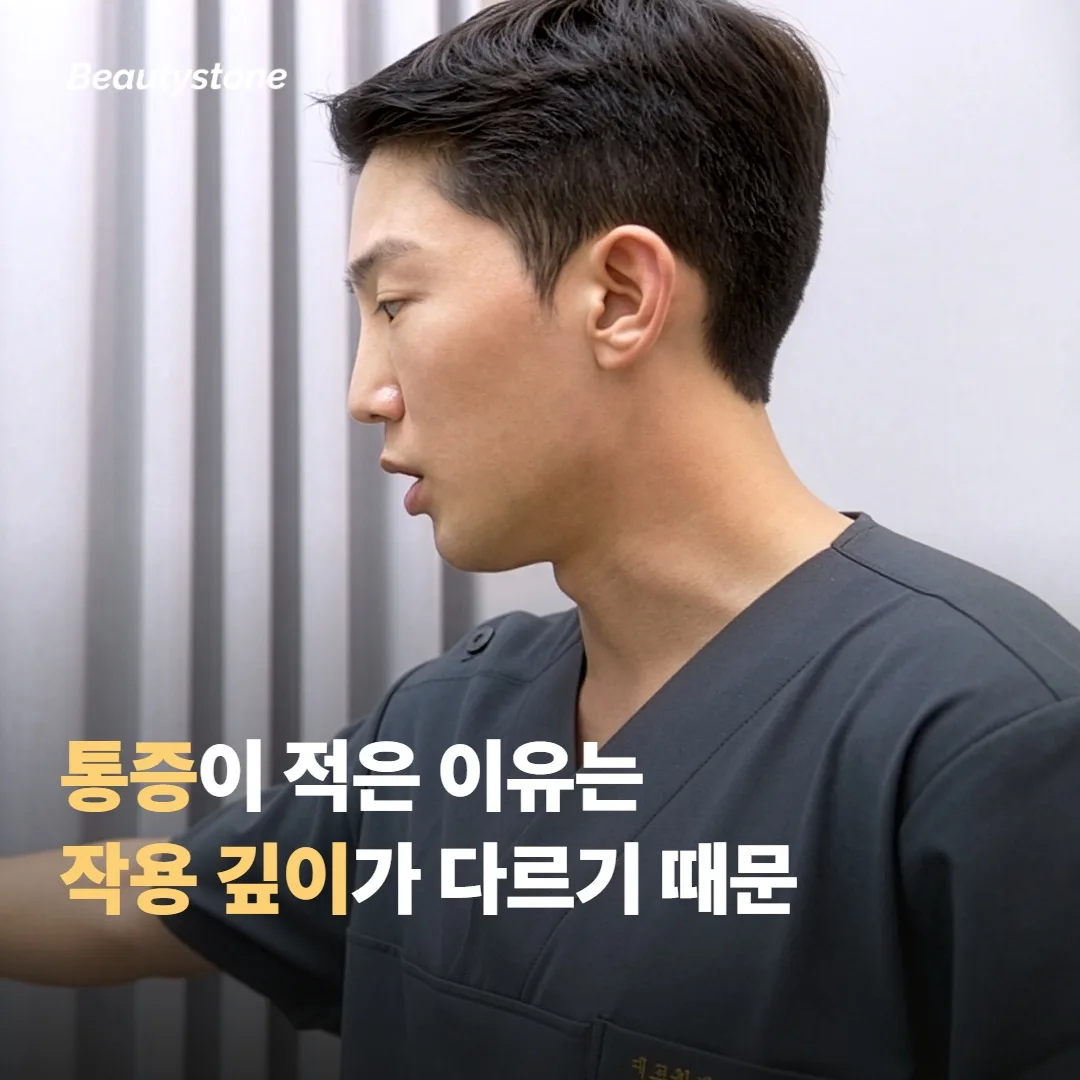
Sofwave delivers ultrasound energy in a focused manner to the mid-Dermis (approximately 1.5mm depth). Compared to Ultherapy, which belongs to the non-ablative Lifting category that reaches the SMAS Layer at depths of 4.5mm and 3.0mm, Sofwave works at less than half the depth.
The deeper the energy penetrates, the stronger the pain signals become. Because Sofwave acts only on the superficial Dermis, patients generally experience less discomfort — even though it's still a Collagen-stimulating procedure. Dermis: the layer of skin beneath the epidermis, where Collagen and elastin are concentrated. Stimulating Collagen synthesis in the mid-Dermis can help improve surface sagging and Fine Lines.
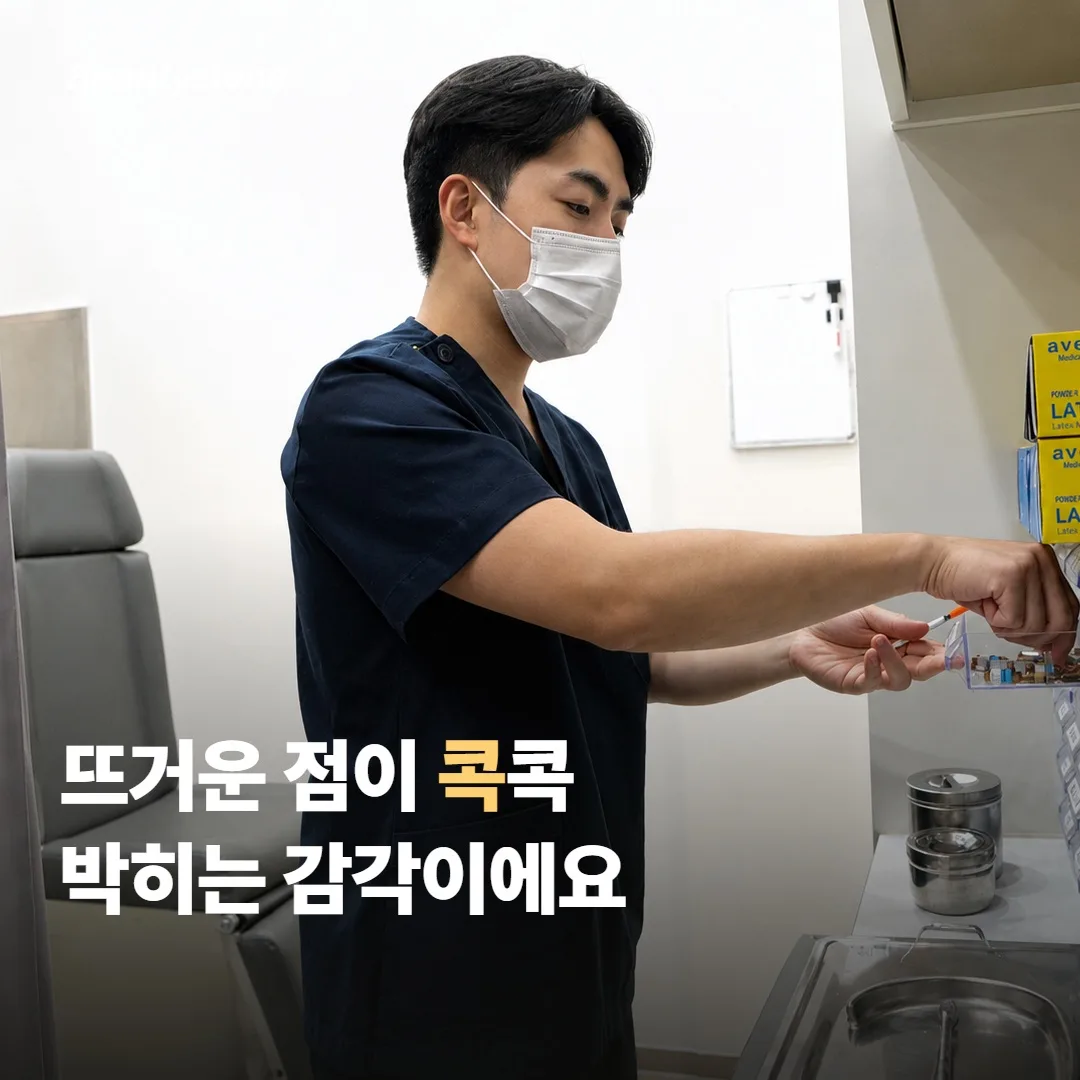
During the Procedure, Most Patients Describe a "Hot Pinpoint" Sensation
Here's how patients commonly describe what they feel during treatment:
- The first few pulses — A warm stimulus that's quite manageable
- Along the jawline and cheekbones — Areas closer to the bone tend to feel more vibration and resonance
- Forehead and temples — Nerve-dense areas may produce a mild tingling sensation
- Consecutive pulse zones — Repeated passes over the same area can cause a gradual build-up of Heat sensation
Topical numbing cream is standard for initial Pain management. If you're still concerned, speak with your provider about additional Pain control options.
Recovery Is Minimal — Most Patients Return to Daily Activities Right Away
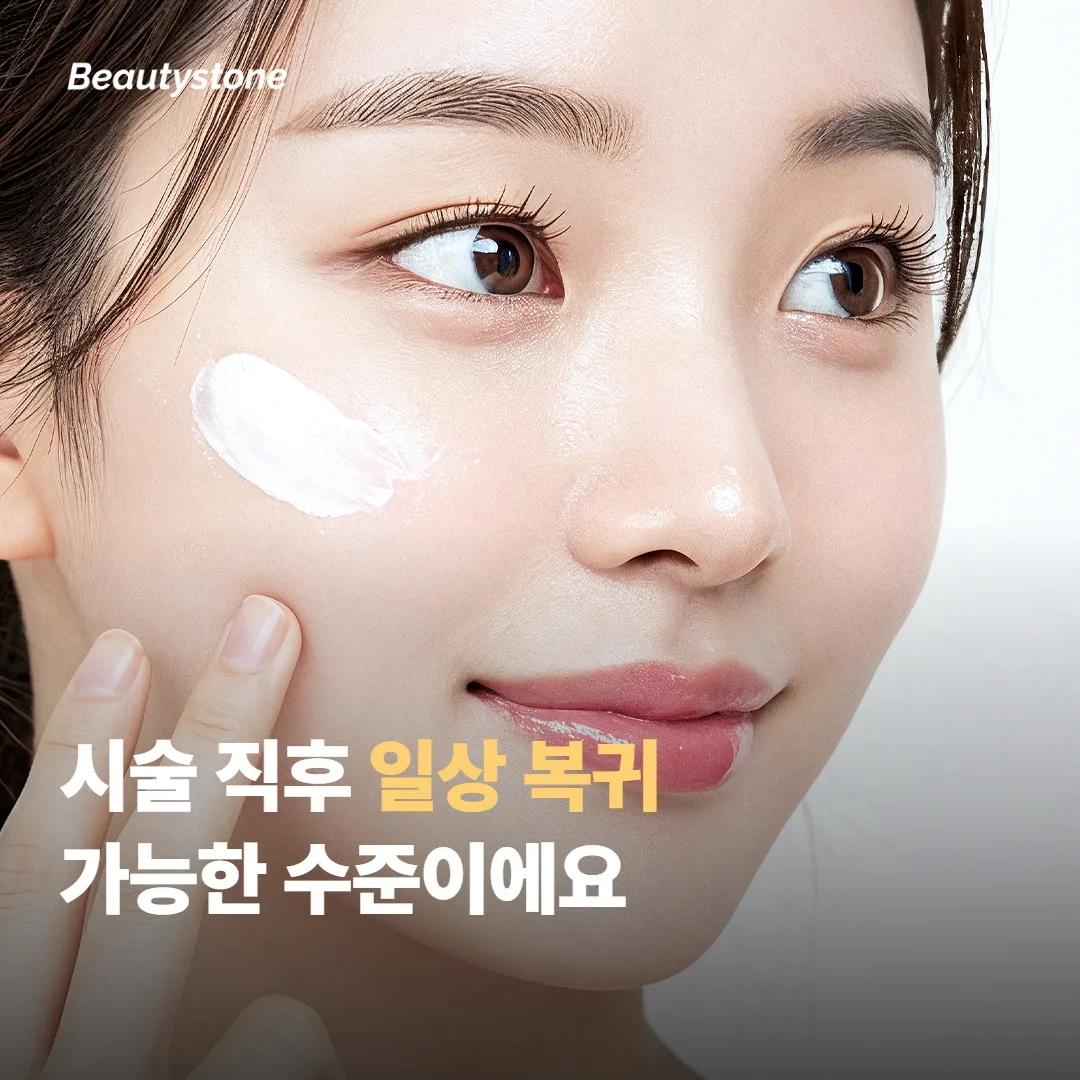
One of Sofwave's biggest advantages is its short Downtime. You can typically resume exercise, apply makeup, and go about your day immediately after — consistent with the general characteristics of non-ablative Collagen-stimulating procedures.
That said, individual recovery experiences can vary:
| Timeframe | Typical Condition | |---|---| | Immediately after | Mild Erythema at treated areas. Makeup is fine | | Days 1–3 | Mild localized Swelling or slight tightness. No disruption to daily activities | | Within 1 week | Most patients return to their pre-procedure baseline | | Weeks 2–4 | Early Collagen response begins; subtle improvements start to emerge | | Weeks 8–12 | Noticeable Lifting effect becomes visible |
Less Pain Doesn't Automatically Mean It's the Right Procedure for You
As mentioned, the reduced discomfort is a direct result of the shallower depth of action — and that comes with trade-offs. While the Pain burden is lower, it also means the energy doesn't reach the deeper SMAS Layer. The right choice really depends on your individual concerns:
Sofwave may be a great fit if you:
- Want to minimize Pain and Downtime as much as possible
- Are trying a Lifting procedure for the first time
- Are primarily concerned with superficial Fine Lines and surface-level sagging
- Have a busy schedule that doesn't allow for extended recovery time
A different procedure may be more appropriate if you:
- Have significant sagging that extends to the SMAS Layer → Consider Ultherapy-category options
- Want to address Pores or Acne Scars simultaneously → Consider options like Secret RF
- Prefer a stronger single-session result → Consider deeper-acting procedures with accepted Downtime
Sofwave may not be appropriate if you:
- Are pregnant or breastfeeding
- Have active Inflammation or Infection in the treatment area
- Have a keloid-prone skin type
- Have undergone another Lifting procedure within the past 4–6 weeks
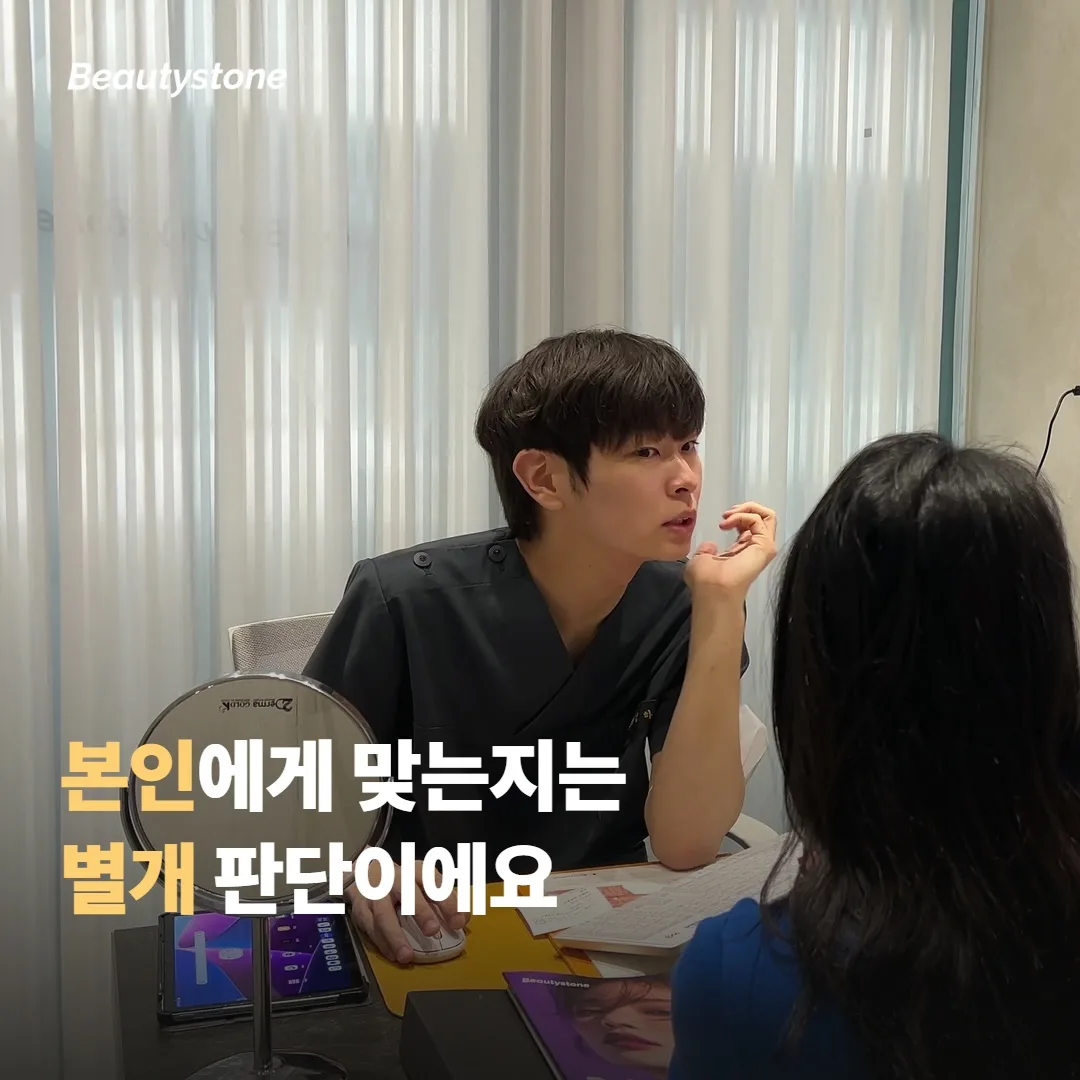
If any of these apply to you, please consult your provider to determine the best timing for your procedure.
Frequently Asked Questions
Q. How much will it hurt without numbing cream?
A. It varies by individual, but skipping the topical anesthetic will noticeably increase the perceived Pain level. If you have a lower Pain threshold, we generally recommend applying numbing cream from the start.
Q. Is it really safe to exercise right after the procedure?
A. Light, everyday exercise is generally fine on the same day. However, we suggest waiting 1–2 days before saunas, high-heat environments, or intense cardio — at least until the Heat sensation in the treated area subsides.
Q. How much of a difference can I expect from a single session?
A. The most noticeable changes typically appear around the 8–12 week mark, with results lasting approximately 6 months to a year. Results do vary between individuals, and many patients choose to build on their results with 1–2 additional sessions over time. This article is for general informational purposes only. Please consult directly with a medical provider to determine the most appropriate procedure and intensity level for your skin.