

Shurink vs. Ultherapy: Which Lifting Is Right?
Shrink and Ultherapy aren't simply budget vs. premium options — they work at different depths. Here's how to choose the right one for you.

Shrink vs. Ultherapy — Which Lifting Procedure Is Right for You?
If you've spent any time researching lifting procedures, you've probably hit this crossroads: "I heard Shrink is more affordable, but isn't Ultherapy just more powerful?" The short answer: these two aren't on the same value-tier spectrum — they actually target different depths of the skin entirely.
Both Use Ultrasound — But They Work at Different Depths
Both Shrink and Ultherapy are based on the same foundational technology: HIFU*.
*HIFU: A technology that focuses ultrasound energy into a precise point deep within the skin, generating targeted thermal zones that stimulate Collagen regeneration.
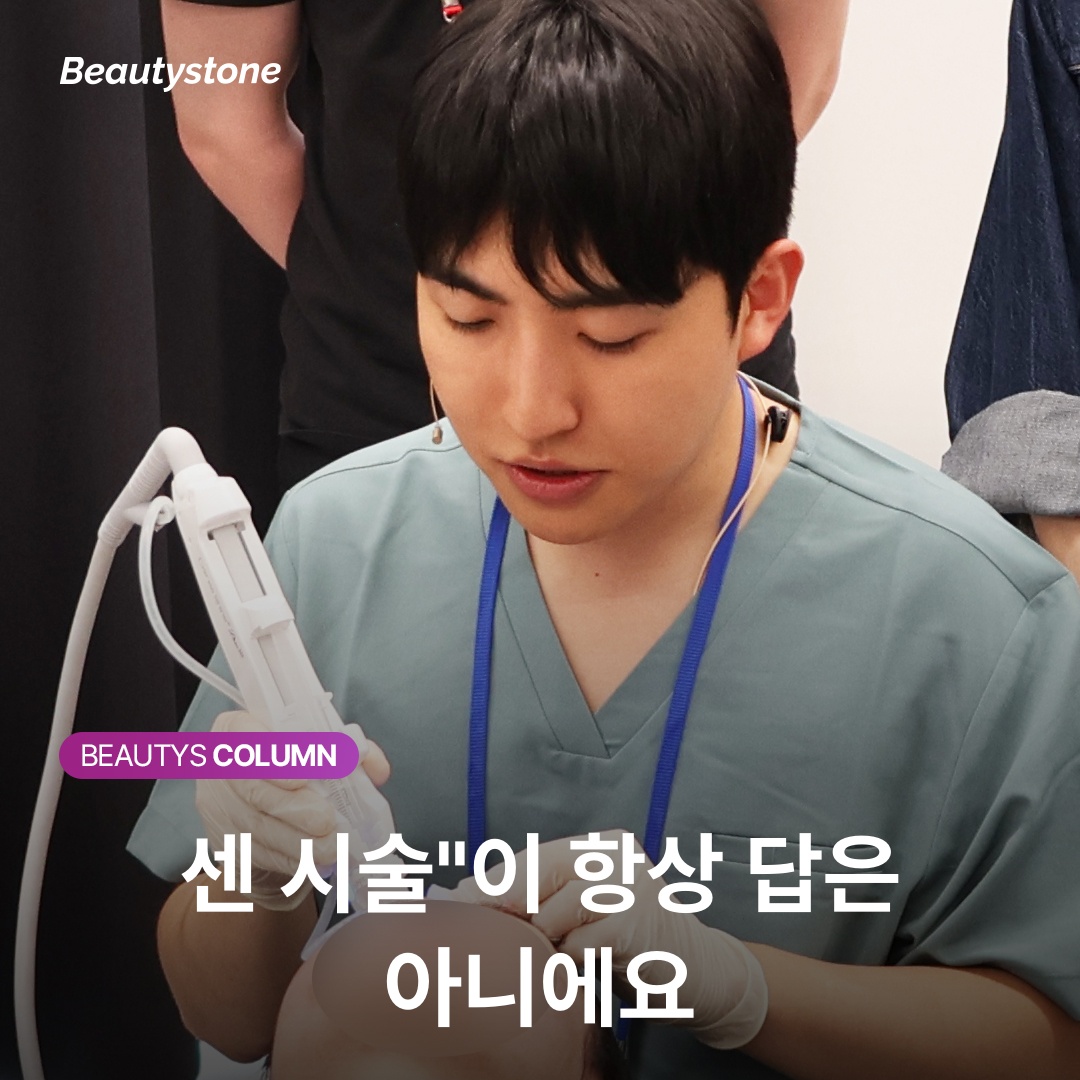
While the principle is the same, the cartridge types and energy intensity differ significantly. Ultherapy features cartridges that reach as deep as the SMAS Layer, while Shrink primarily uses cartridges that work at a shallower level — focused on the Dermis.

A More Intensive Procedure Isn't Always the Answer
Going deeper offers more significant improvement for sagging, but it also means more discomfort and recovery. If your sagging is mild, or you're simply looking to improve Elasticity and overall Skin Texture, a shallower procedure like Shrink — which can be done more frequently — may actually suit you better.
On the other hand, if you're noticing visible drooping around the corners of the mouth, jawline, or cheeks, Ultherapy-type procedures that can reach the SMAS Layer tend to deliver more meaningful results.
The Price Difference Reflects the Depth Difference
Ultherapy costs more — but it's not just about the brand name. The cartridge costs, energy output, and procedure time are all significantly higher. Shrink, in contrast, allows for more frequent sessions covering broader areas at a lower per-visit cost.
So rather than asking "which one is better," the more practical question is: "which one matches my current level of sagging?"

Some Patients Benefit from Both
It's actually quite common for patients to incorporate both procedures into their skincare routine at different intervals — using Ultherapy to address deeper structural concerns, then maintaining results with periodic Shrink sessions in between. The right combination depends on a proper assessment and personalized treatment plan.
**Q. I'm in my early 30s — do I really need Ultherapy?** A. If sagging isn't a notable concern yet, Shrink or other Collagen-boosting procedures may be more than sufficient. There's no need to jump to a deeper procedure before it becomes necessary.
**Q. I've heard Shrink is less effective — is that true?** A. It's not about being less effective — it works at a shallower depth by design. It's well-suited for improving Elasticity in the Dermis, but has its limitations when it comes to more significant, deeper sagging.
**Q. Is it better to get both at the same time?** A. Not necessarily — combining both procedures doesn't automatically double the results. Timing and targeting the right areas strategically is what makes the combination meaningful.
Frequently Asked Questions
Q1. What's the difference between Shrink and Ultherapy?
Both are based on HIFU technology, but they reach different depths — Ultherapy uses cartridges that go as deep as the SMAS layer, while Shrink mainly works at the shallower dermis level.
Q2. Is Ultherapy better than Shrink just because it costs more?
Not necessarily — Ultherapy is more intensive and reaches deeper, which suits more visible sagging, while Shrink is better suited to milder concerns and can be done more frequently at a lower cost per visit.
Q3. Which one should I choose for mild sagging versus a drooping jawline?
If your sagging is mild or you mainly want better elasticity and texture, a shallower treatment like Shrink may suit you well. If you're noticing visible drooping around the mouth corners, jawline, or cheeks, an Ultherapy-type treatment that reaches the SMAS layer tends to deliver more meaningful results.
Q4. Can I combine Shrink and Ultherapy?
Yes, it's actually quite common — many patients use Ultherapy to address deeper structural concerns and then maintain results with periodic Shrink sessions in between.