

RF Microneedling Aftercare: What Really Works
The appointment takes under an hour, but the days that follow do just as much to shape your results. Here's what your skin actually needs during recovery — and what quietly undoes the work.

If you just walked out of an RF microneedling appointment with mild redness and a slight tingle, you might assume the hard part is over. It isn't. What happens over the next few days does as much to shape your results as the treatment itself.
RF microneedling works by creating controlled micro-injuries in the dermis while radiofrequency energy heats the deeper layers, triggering new collagen. That collagen doesn't appear overnight — it builds gradually while your skin recovers, which means how you treat your skin during that window can make or break the outcome. In this article, we'll cover what your skin needs in the first 48 hours, why hydration and sun protection matter more than most people expect, what counts as a normal reaction versus a red flag, and how to build a routine that carries your results from one session to the next.
What Is RF Microneedling, and Why Does Aftercare Matter So Much?
RF microneedling (sometimes performed with devices like Secret RF or Potenza) combines fine needles with radiofrequency energy. The needles create tiny, controlled channels in the skin, and the RF energy heats the deeper dermis as it goes. That combination signals your skin to produce new collagen and elastin over the following weeks.
Here's the part that's easy to miss: the treatment itself is just the trigger. The actual remodeling — the part that determines how smooth, firm, or even-toned your skin ends up looking — happens during recovery. Two people can have an identical session and walk away with different results, largely because of how they treated their skin in the days after.
Think of aftercare less as an optional add-on and more as the second half of the procedure. Skipping it doesn't just slow things down. It can blunt the results you paid for.
The First 48 Hours: What Your Skin Needs Most
Right after treatment, it's normal to see mild swelling, redness, and pinpoint sensitivity — your skin has just been through thousands of micro-injuries, even if most of them are invisible to the eye. The priority for the first two days isn't doing more. It's doing less.
Anything that adds extra heat, friction, or irritation on top of that can slow healing and, in some cases, contribute to lingering discoloration. That's why providers tend to be blunt about what to skip:
- Hot showers, saunas, and steam rooms: Extra heat on already-inflamed skin isn't doing you any favors.
- Intense exercise: Sweating and a spiked heart rate can aggravate freshly treated skin.
- Alcohol: It can worsen swelling and dehydrate your skin right when it needs the opposite.
- Exfoliants and acids: Save the retinol and AHAs for another week — your skin barrier needs a break, not a challenge.
- Picking or rubbing: Even mild itching is tempting to scratch. Don't. It's one of the easiest ways to turn normal healing into a scar risk.
If you wear makeup, keep it minimal for a day or two. A lighter routine means less product sitting on compromised skin, which tends to speed things along.

Hydration: The Recovery Step Most People Skip
Those micro-channels the needles create don't just let RF energy in — they also make it easier for water to escape. Your skin loses moisture faster than usual in the days after treatment, and dehydrated skin heals more slowly.
A simplified routine works best here: a gentle, fragrance-free toner, a soothing serum built around ingredients like hyaluronic acid or panthenol, and a lightweight moisturizer to seal it in. That's about it. If your clinic gave you a specific recovery lineup, stick with it — it's designed for exactly this window.
This isn't the time to test a new product, even one that's worked well for you before. Fragranced formulas, anything with acids, or textured exfoliating beads can all add irritation your skin doesn't need right now. Keep it boring for a few days. Boring heals faster.
Sun Protection: The Fastest Way to Undo Your Results
If there's one thing that can quietly wreck an otherwise great RF microneedling result, it's unprotected sun exposure. Freshly treated skin is more reactive to UV light, which raises the risk of post-inflammatory hyperpigmentation — dark patches that can take months to fade. UV exposure can also interfere with the collagen your skin is working hard to rebuild.
For the first several days, minimizing direct sun exposure is the safest approach. When you do go outside, reapply a broad-spectrum sunscreen more often than you normally would, and don't underestimate a wide-brimmed hat or a mask for extra coverage.
Sunscreen isn't just a recovery-week rule, though. If you want your results to hold up over the following months, daily SPF is close to non-negotiable — it protects both your investment and the new collagen your skin just spent weeks building.

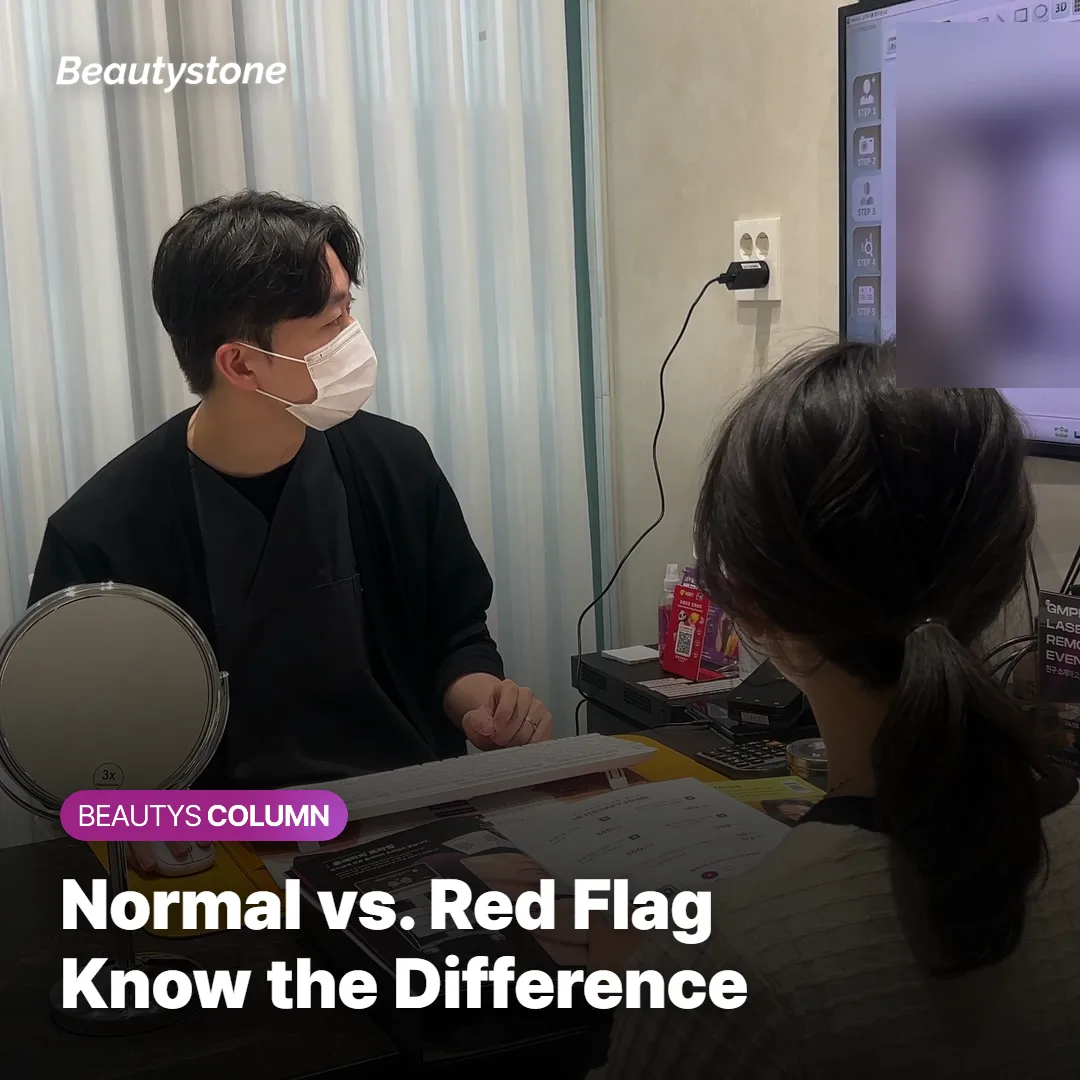
Side Effects & Risks: What's Normal (and What's Not)
Mild redness, tightness, light swelling, and a sandpaper-like texture for a few days are all typical after RF microneedling. Most people describe the sensation more as warmth than pain, and it usually settles within 48 to 72 hours.
Some downtime is normal, but it shouldn't escalate. If you notice spreading redness, increasing pain, pus, or a fever, contact your provider or seek medical care right away — those aren't typical healing signs.
It's also worth knowing that individual results vary. Skin type, the settings used, and how closely you follow aftercare instructions all play a role, so what a friend experienced isn't necessarily what you'll experience.
Building a Routine Between Sessions
RF microneedling results build gradually, often across a handful of sessions spaced weeks apart. What you do between appointments matters almost as much as what you do in the 48 hours right after one.
A few habits tend to make the biggest difference long-term:
- Keep cleansing gentle. Harsh scrubs and heavy daily exfoliation work against the collagen-building process.
- Stay consistent with SPF. This one habit protects more of your results than almost anything else on this list.
- Hands off your pores. Picking or squeezing can undo the calm, even texture you're working toward.
- Moisturize daily, not just after treatment. Well-hydrated skin simply heals and responds better session to session.
None of this replaces what happens in the treatment room, but it does protect it. Think of the procedure as the spark and your everyday habits as what keeps it burning.
The Bottom Line
RF microneedling can genuinely improve texture, firmness, and tone, but the treatment is only half the equation. The days that follow, when your skin is quietly rebuilding collagen, matter just as much to the outcome.
A quick recap: protect your skin for the first 48 hours, keep your routine simple and hydrating, treat sunscreen as non-negotiable, watch for red flags rather than normal downtime, and carry good habits between sessions instead of starting from scratch each time. Like any procedure, RF microneedling comes with some trade-offs and a recovery period worth respecting.
Ultimately, how closely you follow aftercare is largely up to you, and it's one of the few parts of the process you have real control over. If you're considering RF microneedling, a consultation is the best way to find out what fits your skin. Beautystone is a dermatology clinic in Seoul's Hapjeong area — see current offers at /en/promotion.
Frequently Asked Questions
Q1. Is RF Microneedling Aftercare Really That Important?
Yes — it's not an afterthought. The collagen remodeling that creates your results happens during recovery, not during the session itself, so skipping aftercare can genuinely blunt what you paid for.
Q2. How Long Does RF Microneedling Downtime Last?
Most people see redness and mild swelling settle within 48 to 72 hours, though light sensitivity or flaking can linger for close to a week. Individual healing time varies from person to person.
Q3. Can I Wear Makeup After RF Microneedling?
It's best to keep it minimal or skip it entirely for the first day or two while your skin barrier is compromised. Once redness has calmed down, a light, non-comedogenic formula is usually fine.
Q4. How Much Does RF Microneedling Cost?
Pricing depends on the clinic, the device used, and how many sessions your skin needs, so it's hard to give a single number here. A consultation is the most reliable way to get an accurate quote — see current offers at /en/promotion.