

PicoWay Aftercare: How to Avoid Pigmentation
If a treated spot looks darker or gets a thin crust after PicoWay, that's usually the pigment clearing out, not a step backward. Leaving the crust alone and staying strict about sun protection are what actually decide whether the pigment stays gone.

One of the most common questions people ask right after a PicoWay session for pigment or freckles is some version of the same worry: “why does this spot look darker than it did before?” If that's you right now, take a breath — in most cases, it's not a step backward. It's usually part of the process working as intended.
Pigment and freckle treatment with PicoWay is a little different from a lot of skin procedures, because the treated spot often looks worse before it looks better. In this article, we'll cover how PicoWay actually breaks down pigment, what counts as a normal reaction versus something worth a check-in, a day-by-day look at recovery, and the two habits that matter most for keeping the pigment from coming back: leaving the crust alone and taking sun protection seriously.
How Does PicoWay Actually Break Down Pigment?
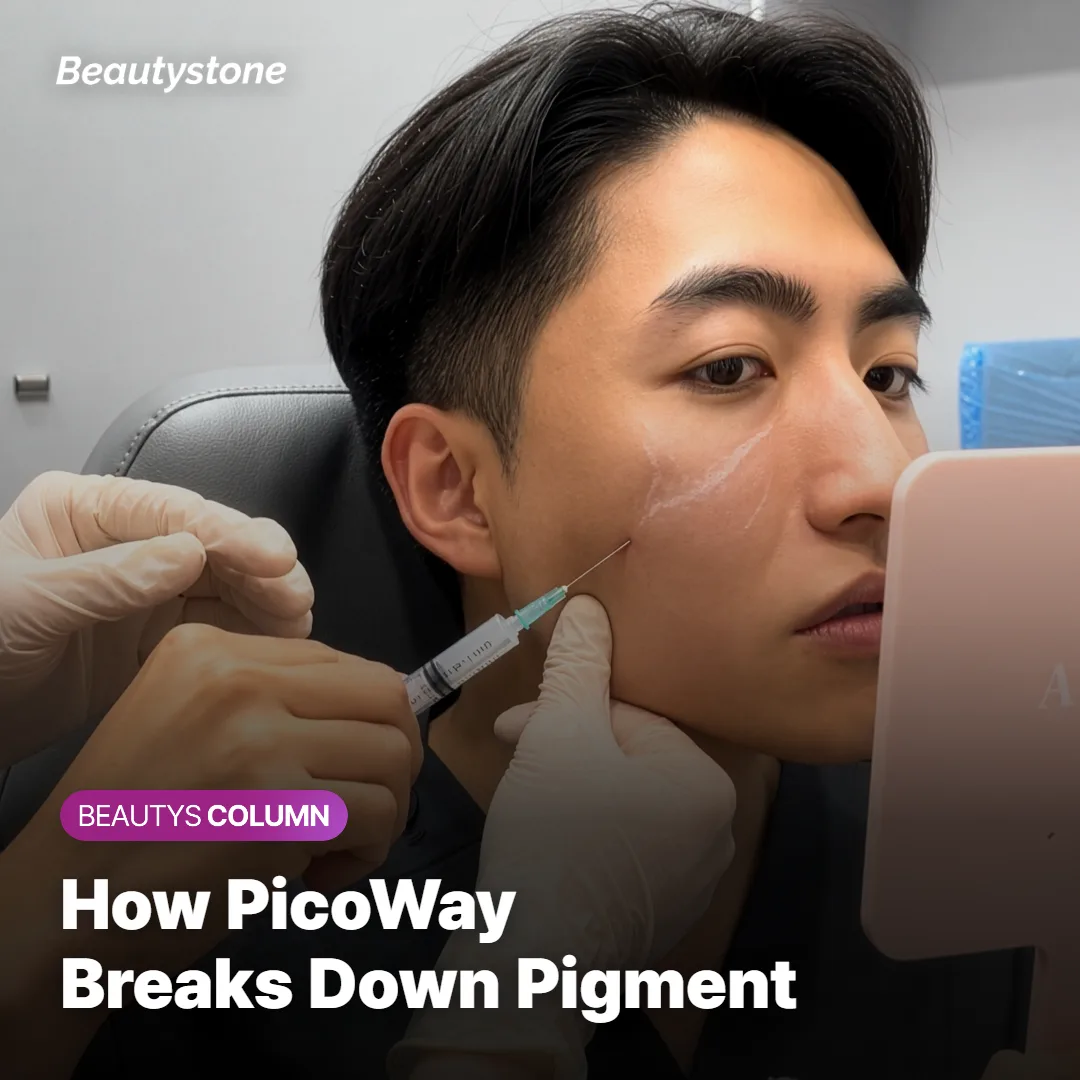
The short answer: PicoWay fires ultra-short picosecond laser pulses that physically shatter pigment particles into tiny fragments, rather than heating and burning them the way some older pigment lasers do. Your body then clears those fragments naturally over the days and weeks that follow, and that clearing process is exactly why the treated area often looks darker and picks up a light crust before it looks clearer.
A review of picosecond lasers for pigmented lesions notes that (shorter pulse durations reduce collateral thermal damage while still effectively breaking down pigmented lesions), which is part of why recovery from PicoWay tends to be faster than older, heat-based pigment lasers.
Because the pigment breaks apart mechanically instead of getting burned away, the surrounding skin generally tolerates the process well. That said, the treated area is still healing skin for a stretch of time afterward, and how you protect it while those pigment fragments clear out is really what decides how clean the final result looks.
What Counts as a Normal Reaction After Treatment?
Not every change you notice after PicoWay means the same thing. Some reactions are just the treatment doing its job; a smaller number are worth flagging to your provider. Temporary darkening, a light crust, and mild redness right after treatment are typical. Crusting that's been picked at, redness that spreads or lingers for weeks, or any oozing are signs worth a check-in instead of waiting it out.
| Reaction | Usually normal | Worth a check-in |
|---|---|---|
| Pigment intensity | Darkens right after, then fades | Gets darker or spreads after crust falls off |
| Crusting | Thin, sits until it falls off on its own | Picked or pulled off, leaving a raw spot |
| Redness | Mild, settles within a few days | Spreads outward or stays sharp past two weeks |
| Discomfort | Light warmth or tightness | Oozing, worsening pain, or fever |
The common thread in the “usually normal” column is that things settle down on their own within a fairly predictable window. If something seems to be getting worse instead of better as the days pass, that's the cue to reach out to your provider rather than wait it out on your own.
Recovery Timeline: What to Expect Day by Day
Recovery after PicoWay follows a fairly predictable arc, though the exact pace depends on your pigment, your skin, and how deep the treated spot was.
- Day 0–1: The treated pigment looks noticeably darker, and the area may feel mildly warm or tender. This is expected, not a bad sign.
- Day 2–4: A thin crust or light flaking usually forms over the pigment as the shattered fragments start rising to the surface.
- Day 5–10: The crust typically lifts and flakes off on its own, revealing lighter, fresher-looking skin underneath.
- Week 2–4: Color continues to even out, and this is also the window where sun protection matters the most for locking in the result.
If your timeline is running a little ahead of or behind these ranges, that's not automatically a problem — healing speed varies from person to person. What matters more than hitting an exact day is whether the overall direction is toward calmer, lighter skin rather than the opposite.

How to Prevent Post-Treatment Hyperpigmentation
Two habits matter far more than anything else during PicoWay recovery: leaving the crust alone, and taking sun protection seriously. Everything else on this list is secondary to those two.
The crust that forms over treated pigment is doing a job — it's covering the area while the shattered pigment fragments clear out underneath, and fresh skin forms below it. Picking at it, scratching it, or forcing it off early interrupts that process and can trigger the kind of inflammation that leads to new, unwanted pigmentation in the exact spot you just treated. Left alone, it usually comes off cleanly on its own within a week or two.
Sun exposure is the other major factor, and arguably the bigger one. Healing skin is more reactive to UV light, and sun exposure during recovery can re-trigger melanin production in the treated area, undoing some or all of the progress you just made. That means a broad-spectrum sunscreen reapplied through the day, a hat when you're outside for any stretch of time, and avoiding direct midday sun until your provider says the area has fully healed.
What Should You Avoid During Recovery?
A handful of habits meaningfully raise your risk of rebound pigmentation, and most of them are easy to plan around once you know what to look out for.
- Picking or peeling the crust: Let it fall off on its own — forcing it early is the single biggest risk factor for post-treatment dark spots.
- Strong exfoliants or scrubs: The area is more sensitive than usual, and physical or chemical exfoliation can irritate it further.
- Direct sun exposure: Even short stretches without sunscreen can re-trigger melanin production while the skin is still healing.
- Hot saunas or steam rooms: Heat and sweating can aggravate the treated area; it's worth holding off until healing is complete.
- Random over-the-counter whitening products: Applying something new without checking first can irritate healing skin instead of helping it.
This is general information, not a substitute for individualized advice, so it's worth talking to your provider if you're unsure whether a specific product or activity is fine for your particular recovery timeline.
Side Effects and Risks
PicoWay is an FDA-cleared picosecond laser used to treat pigmented lesions such as sunspots and freckles, and for most people, the side effects during recovery are limited to darkening, light crusting, and mild redness that settle on their own within one to two weeks.
If you notice oozing, spreading redness, fever, or pain that's getting worse instead of better, seek medical care right away rather than waiting to see if it resolves. Those aren't part of a typical PicoWay recovery, and catching them early makes a real difference.
Individual results vary, and how your skin responds depends on your pigment type, the depth of the spot being treated, and how closely you stick to the aftercare guidelines above. Your provider can flag anything specific to watch for based on what they saw during your session.
The Bottom Line
- Darkening and light crusting right after PicoWay are normal: they're a sign the pigment is breaking down and clearing, not a failed treatment.
- Leaving the crust alone matters more than almost anything else: letting it fall off on its own is what keeps the result clean.
- Sun protection is non-negotiable during recovery: UV exposure can re-trigger the exact pigmentation you just treated.
Like any procedure, PicoWay comes with a recovery window where a few simple habits make a disproportionate difference in the final result. Ultimately, how closely your healing matches the timeline above depends on your skin, your pigment, and how well you stick to the aftercare basics in the weeks that follow.
If you're not sure whether what you're seeing after treatment is normal, a consultation is the best way to find out what's actually going on. Beautystone is a dermatology clinic in Seoul's Hapjeong area — see current offers at /en/promotion.
Frequently Asked Questions
Q1. Does darker pigment right after PicoWay mean the treatment didn't work?
No — in most cases it's the opposite. The pigment darkens as it breaks apart into fragments your body will clear over the following days and weeks, so a darker spot right after treatment is usually a sign the process is working. It's worth judging the result after the crust falls off, not right away.
Q2. Can I wash my face or wear makeup before the crust falls off?
Gentle washing without rubbing the treated area is generally fine, but avoid scrubbing or trying to lift the crust while cleansing. Makeup is safer once the crust has come off on its own; if the timing feels unclear, ask your provider when it's okay to cover the area again.
Q3. How careful do I really need to be about sun protection during recovery?
Very. Sun exposure is one of the main things that can re-trigger pigment in a spot you just treated, so reapplying broad-spectrum sunscreen, wearing a hat, and avoiding direct midday sun matter more here than in most other kinds of skin recovery.
Q4. Will one PicoWay session clear all my pigment?
It depends on the type and depth of the pigment. Many people see visible fading after one session, but deeper or more stubborn spots often need a series of sessions spaced weeks apart. Your provider can give you a realistic estimate based on what they see during your consultation.