Onda Lifting: How Many Weeks Between 3 Sessions?
Onda lifting builds results after a single treatment, but whether you need one session or the full three-session package depends on your skin thickness, how much sagging you're starting with, and your age.

Ask three different providers whether Onda lifting works best as a single treatment or a three-session package, and you might get three different answers. One consultation tells you a single visit is plenty. Another insists you need the full course before you'll notice real tightening. Since it's the same device and the same technology either way, it's easy to wonder which recommendation actually applies to you.
The short answer? Onda lifting does build results after just one treatment, but how many sessions you actually need depends on your skin thickness, how much sagging you're starting with, your age, and whether you've had a similar lifting treatment before. In this article, we'll cover how Onda's technology works, who tends to do well with one session, who benefits more from a full package, how to space multiple sessions so you don't undo your own progress, and what to check with your provider before you book.
What Is Onda Lifting, and How Is It Different From RF or HIFU?
Onda lifting uses 2.45GHz microwave energy — sometimes marketed under the name "Coolwaves" — to heat the dermis and the connective tissue underneath it. That heat causes existing collagen fibers to contract while triggering the skin to build new collagen over the following weeks. It sits in the same "skin tightening" category as radiofrequency (RF) and high-intensity focused ultrasound (HIFU), but the type of energy it delivers, and where that energy actually lands, is different.
One thing that sets Onda apart is that it can treat fat and connective tissue while minimizing impact on the surface layers of skin. In a peer-reviewed clinical study, submental laxity scores improved from an average of 3.6 to 2.3 at the 12-week mark after treatment, with no significant adverse effects reported during or after the sessions. It's worth noting that the protocol behind those numbers used two treatments with a 12-week follow-up, not a single session — that distinction matters when you're deciding how many sessions to book for yourself.
Who Tends to See Great Results After Just One Onda Session?
- People in their early-to-mid 30s trying a lifting treatment for the first time
- Above-average skin thickness, with plenty of natural collagen still in reserve
- Mild sagging, with a jawline and contour that are still fairly well defined
- Comfortable waiting a month or two to see the full result build
- No similar lifting treatment (HIFU or RF) within the past year
If that sounds like you, there's a good chance your own collagen response can carry the result for six to nine months after a single visit. A lot of people in this group treat that first session as a test run, then decide on their next step once they've actually seen how their skin responds.

Who's a Better Fit for the Full Three-Session Package?
- Over 40, with skin that's noticeably thinner than it used to be
- Visible sagging along the jawline, cheeks, or mouth corners
- A history of weight fluctuation followed by looser skin
- Natural collagen production that's already slowed (previous treatments wore off faster than expected)
- A preference for building results gradually, step by step, instead of all at once
A three-session package is usually spaced four to six weeks apart, so each round can build on the collagen remodeling from the last. According to guidance from the American Academy of Dermatology, non-surgical skin-tightening treatments are generally evaluated two to six months after treatment, and improvement in sagging tends to hold up more consistently after a series of sessions than after a single one.
How Should You Space Out Multiple Onda Sessions?
Here's roughly how spacing tends to break down once you go beyond a single treatment:
| Session Count | Recommended Interval | Notes |
|---|---|---|
| 1 session | — | Evaluate at 6–12 months, then decide on a repeat treatment |
| 2 sessions | 4–6 weeks apart | Gives collagen time to rebuild between visits |
| 3 sessions | 4–6 weeks apart, each | Cumulative effect stabilizes over the full course |
| 4+ sessions | 6–8 weeks apart | Talk to your provider — your skin needs more recovery time between rounds |
It's tempting to book sessions closer together if you're hoping for a faster or bigger result, but collagen remodeling happens on a four-to-eight-week cycle. Cramming two sessions into a week or two doesn't speed that cycle up — it just overlaps the signals your skin is trying to respond to, and that can leave your result looking less defined instead of more. Giving your skin the full recovery window is what actually makes the result stick.
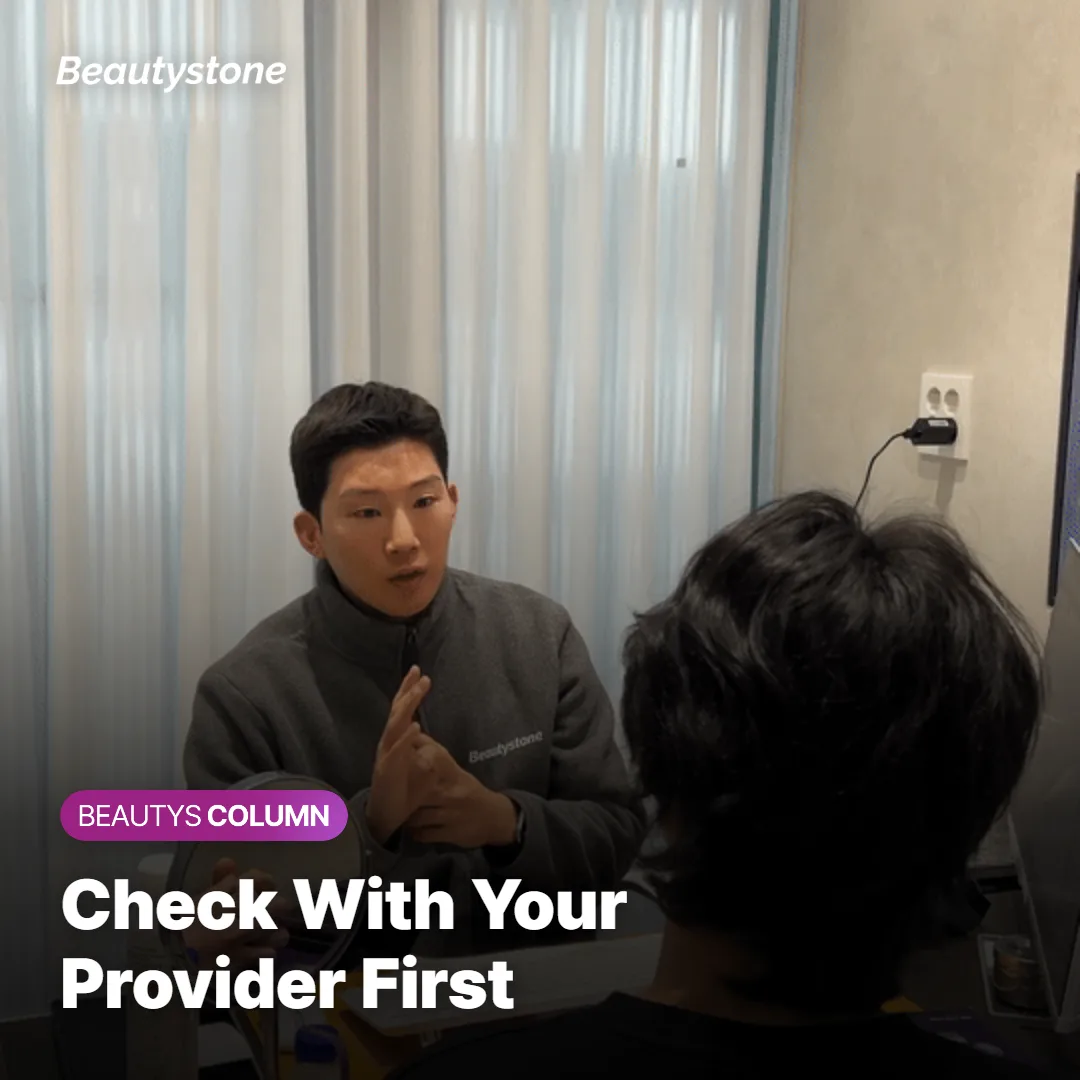
Onda Risks and When to Check With Your Provider First
Onda is generally well tolerated, and most people notice only mild warmth, redness, or slight swelling that settles within a day or two. That said, a handful of situations call for a conversation with your provider before you book:
- You're pregnant or breastfeeding
- You have active inflammation, acne, or a herpes outbreak at the treatment site
- You have a history of keloid scarring
- You've had another laser, filler, or HIFU treatment within the past week
- You're taking a photosensitizing medication
If you notice spreading redness, fever, or pain that gets worse instead of better in the days after treatment, contact your provider right away rather than waiting it out.
How Much Does Onda Lifting Cost, and Is It Worth It?
Pricing for Onda lifting varies by clinic, by how many sessions you book, and by whatever package deal happens to be running, so a single number here wouldn't tell you much. The more useful question isn't the sticker price — it's which starting point, one session or a full package, actually matches your skin. Someone with mild sagging and thick, resilient skin can end up spending less overall by starting with one session and reassessing later, while someone with more noticeable sagging may find that spreading a package across a few months is the more efficient path to a result they're actually happy with.
Beautystone is a dermatology clinic in Seoul's Hapjeong neighborhood, and current session and package offers are listed at /en/promotion, with detailed pricing at /en/price. A consultation is still the fastest way to find out where you actually fall.
The Bottom Line: One Session or the Full Package?
Onda lifting builds results after a single treatment, but how many sessions actually make sense for you comes down to your skin thickness, how much sagging you're starting with, your age, and your treatment history — not the price tag on a package.
- One session tends to fit younger skin, first-time patients, and mild sagging
- A three-session package tends to fit thinner skin, more visible sagging, or a preference for gradual, stacked results
- Space multiple sessions four to eight weeks apart — closer than that can blunt your results instead of boosting them
- Re-evaluate at the six-to-twelve-month mark either way, since your own collagen response is what carries the result long after treatment
Like any procedure, individual results vary, and a treatment plan that works well for a friend might not be the right fit for your skin. Ultimately, the choice depends on your skin, your goals, and how gradually you want to get there. If you're considering Onda lifting, a consultation is the best way to find out what fits you — Beautystone is a dermatology clinic in Seoul's Hapjeong area, and current offers are at /en/promotion.
Frequently Asked Questions
Q1. I had one Onda session and don't see much change. Did it fail?
Not necessarily. Onda works by triggering collagen remodeling, which is a gradual process rather than an instant one. Most people notice the change building over four to eight weeks, and providers usually recommend judging the full result around the 12-week mark. If you're comparing how you look right after treatment to how you look at 12 weeks, you're not really comparing the same thing — try comparing photos from those two points instead.
Q2. Do I need to book another Onda package a year after finishing three sessions?
It depends on the person. Most providers re-evaluate results somewhere between six and twelve months after a package ends, since natural collagen production slows gradually rather than dropping off all at once. Some people come back for a single top-up session a year later, and others prefer a full package every couple of years. It really comes down to how your own skin is holding up when you check back in.
Q3. Can I combine Onda with HIFU or RF treatments?
Getting both on the same day isn't recommended. Most providers prefer to finish one full cycle of a treatment, then wait two to three months before adding a different category as a booster. Since HIFU and RF target tissue a bit differently than Onda's microwave energy, your provider is in the best position to sequence them safely based on your skin.
Q4. How long does it take to see results after Onda lifting?
Results build gradually rather than showing up right away. Most people start noticing a difference around four to eight weeks after treatment, with results considered most stable and easiest to judge at the 12-week mark. That timeline holds whether you've had one session or you're partway through a package.