Onda Lifting: 3 Things That Are Normal Right After
Onda lifting is a needle-free radiofrequency treatment, and for most people, downtime is short — usually just some warmth and mild redness that fades within hours. Here's what to actually expect after your session.
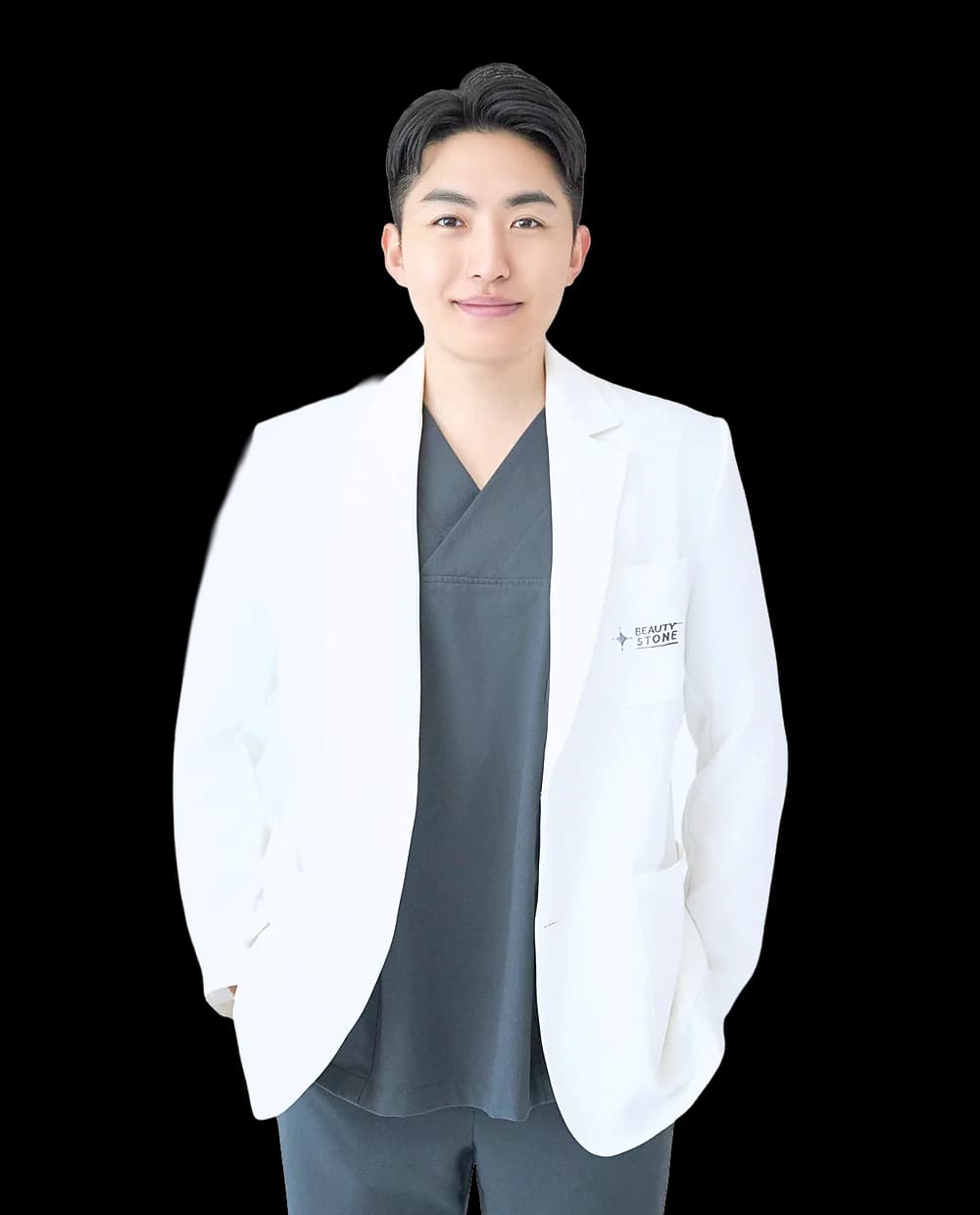
Wi Young-jin
Chief Director & CEO, Myeongdong
If you're eyeing Onda lifting but keep circling back to one question — will I be stuck at home with a red, puffy face afterward? — you're definitely not alone. It's one of the most common things people ask before booking. The short answer? Onda is a needle-free radiofrequency treatment, so downtime tends to be short for most people. In this article, we'll cover what Onda actually does, what your skin looks like right after your session, whether you can head back to work or dinner the same day, and how to take care of your skin in the days that follow.
What Is Onda Lifting?
Onda is a non-invasive lifting treatment that uses microwave-radiofrequency energy — the platform is often marketed as Onda Coolwaves, developed by DEKA. Unlike treatments that rely on needles or lasers that resurface the skin, Onda delivers energy from outside your skin to reach the deeper tissue layers underneath.
The goal isn't to remove or resurface anything on the surface. It's to warm the deeper layers of your skin just enough to encourage your body's own collagen production, which is what gradually firms and lifts things over time.
How Does Onda Lifting Work?
Here's how it works, in plain terms: the device passes microwave energy through your skin without breaking the surface. That energy converts to heat once it reaches the deeper layers, and your body responds by ramping up collagen production in that area.
According to the American Academy of Dermatology, radiofrequency energy encourages the body to produce more collagen naturally — it's the heat, not any cutting or injecting, that does the work. That's the whole idea behind Onda: warm the tissue from the outside and let your body handle the rebuilding from there.
What Happens Right After Treatment?
Because Onda works from the surface down, your skin can look a little different right after your session — but not dramatically so. Most people notice a warm, slightly tight feeling and mild redness in the treated area, similar to how your skin might look after a facial or a bit of time in the sun.
This is different from treatments that involve needles or incisions, where you'd expect visible marks or swelling that takes longer to settle. With Onda, there's nothing on the surface to heal — just some residual warmth as your skin calms back down.
- Warmth: A lingering warm sensation, similar to a mild sunburn feeling, that usually fades within a few hours.
- Redness: Mild pinkness that's typically most noticeable right after treatment and tends to ease as the day goes on.
- Tightness: A subtle tightening or "pulled" feeling in the treated area, which many people say fades by the next day.
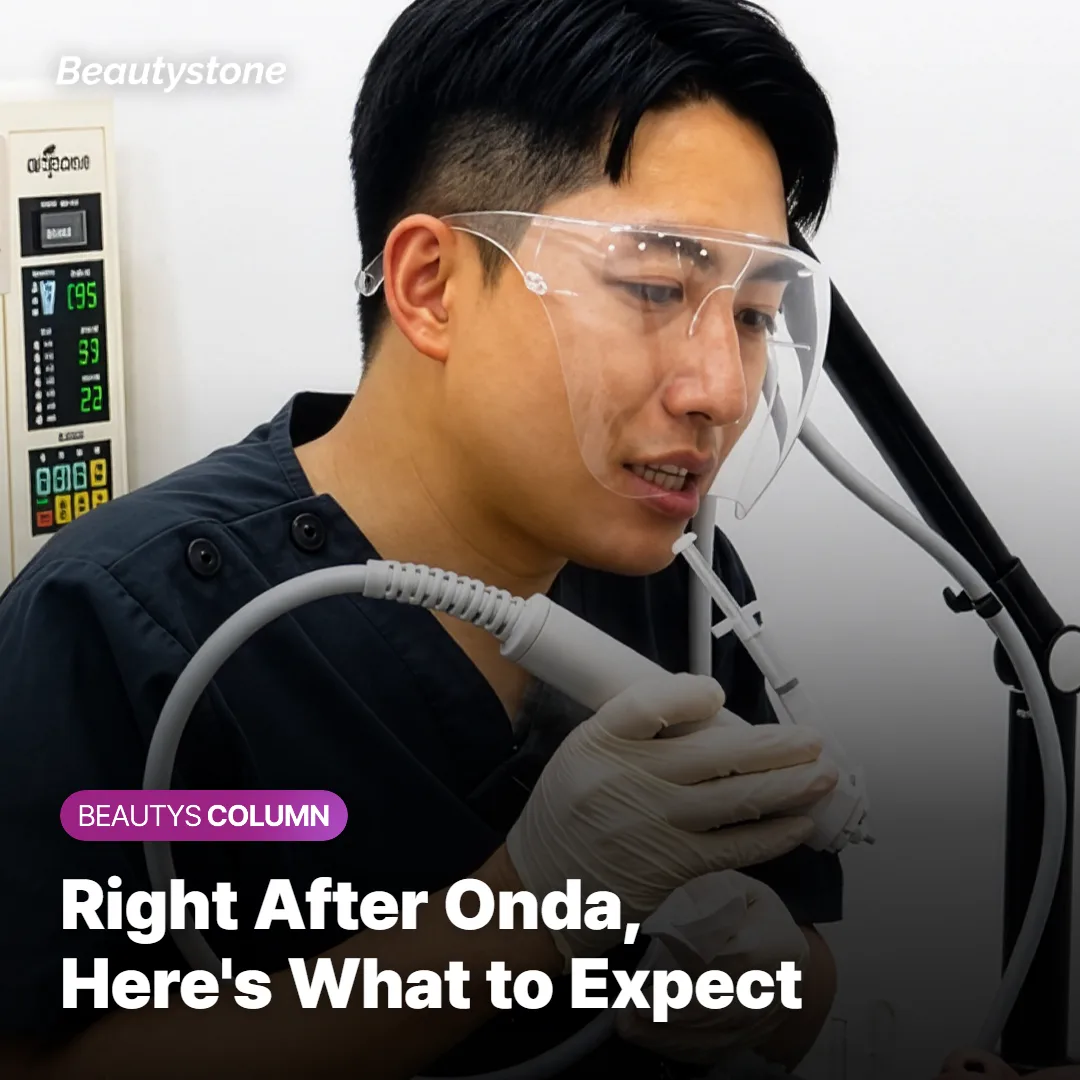
Can You Go Back to Your Day the Same Day?
Short answer: for most people, yes. Because Onda doesn't involve needles or open the skin, there's no wound to protect and no bandage to hide. Plenty of people head straight back to work, errands, or a dinner reservation right after their appointment.
That said, how noticeable the redness is really depends on your skin and how intense your session was. If you have a big event or an important meeting later that same day, it's worth building in a little buffer time just in case your skin needs an hour or two to settle down.
Everyone's skin responds a bit differently, and the treatment intensity your provider chooses can also affect how much redness or warmth you notice right after.
Side Effects and Risks to Know
Onda is generally considered low-risk since it doesn't puncture the skin, but that doesn't mean there's zero chance of a reaction. Redness, warmth, and mild swelling are the most common effects, and they typically settle within a day.
Some people notice small areas of firmness or slight sensitivity in the days that follow, which is usually part of the normal response as your body builds new collagen. Rarer side effects can include burns or blistering if the energy setting runs too high for your skin, which is one reason choosing an experienced provider matters.
If you notice spreading redness, worsening pain, blistering, or any signs of infection, seek medical care right away. In most cases though, what you'll deal with is mild warmth that settles on its own within a day or so.
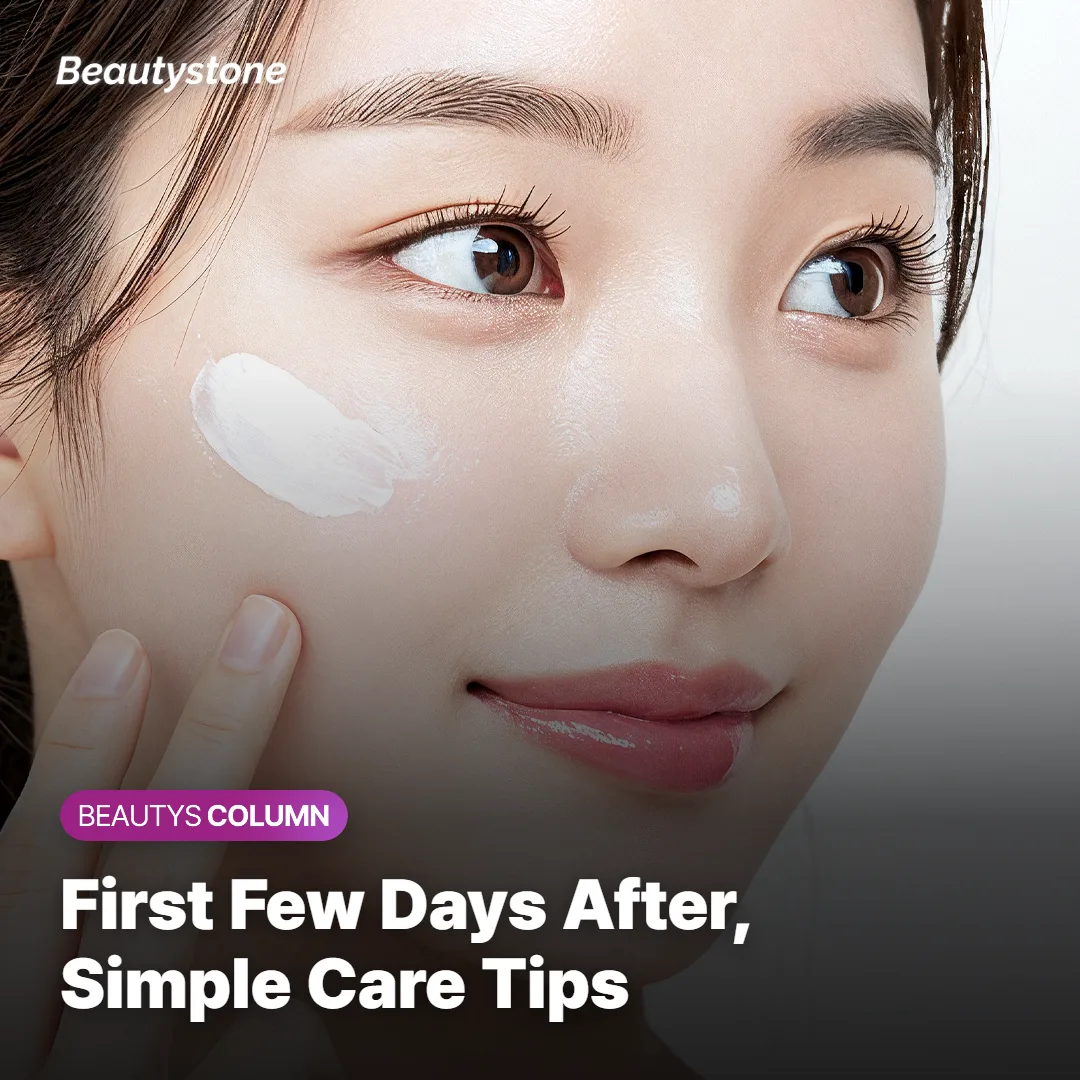
Aftercare Tips for the First Few Days
Your skin has just been warmed from the inside, so treating it gently for the next few days helps it settle faster. A few things worth keeping in mind:
- Skip the heat: Hold off on saunas, steam rooms, hot yoga, or intense workouts for a few days — anything that raises your skin temperature can add to the warmth you're already feeling.
- Cleanse gently: Use lukewarm, not hot, water and a mild cleanser instead of anything abrasive.
- Sun protection is non-negotiable: Freshly treated skin can be more sensitive to UV exposure, so daily sunscreen matters even more than usual right now.
- Give it time: Onda's results build gradually as collagen regenerates, so try not to judge the outcome by how your skin looks the day of treatment.
Most people notice some immediate tightening, but fuller results tend to show up gradually over the following months as new collagen forms. Individual results vary depending on your skin and how many sessions you have.
How Much Does Onda Lifting Cost?
Pricing for Onda varies by clinic, the area being treated, and how many sessions your provider recommends, so it's hard to give one number that fits everyone. Some providers price by session, others price by package, and add-on areas can shift the total as well.
Rather than guess at a number that may not apply to you, a consultation is the best way to find out what your treatment plan would actually cost. You can see current pricing and offers at /en/promotion, but keep in mind that Seoul clinic pricing is subject to change and a consult will always give you the clearest picture.
The Bottom Line
Onda lifting is a needle-free radiofrequency treatment, and for most people, that means downtime is short — often just a few hours of warmth and mild redness rather than days of visible recovery. Here's what to remember:
- Onda uses microwave-radiofrequency energy from outside the skin to stimulate collagen — no needles, no surface wounds.
- Right after treatment, expect warmth, mild redness, and a slight tightening feeling that usually fades within hours to a day.
- Most people return to work or their normal plans the same day, though it's smart to build in a little buffer if you have an important event.
- Results build gradually over the following months as your skin produces new collagen, so patience matters as much as the treatment itself.
Like any procedure, it comes with some trade-offs — mild redness and warmth are common, even if they're short-lived. Ultimately, the choice depends on your skin, your schedule, and your goals. If you're considering Onda lifting, a consultation is the best way to find out what fits you. Beautystone is a dermatology clinic in Seoul's Hapjeong area — see current offers at /en/promotion.
Frequently Asked Questions
Q1. Does Onda lifting hurt?
Most people describe it as a warm, sometimes hot-feeling sensation rather than pain. Your provider can adjust the intensity if it feels like too much, so speak up during your session.
Q2. Can I go back to work the same day?
In most cases, yes. Onda doesn't involve needles or open skin, so there's nothing to bandage or hide. You might have some mild redness for a few hours, so it helps to build in a little buffer if you have an important meeting right after.
Q3. When will I actually see results?
Some tightening can be noticeable right away, but the fuller effect builds gradually over the following months as your skin produces new collagen. Individual results vary, and your provider may recommend more than one session.
Q4. Can I go to the sauna or work out right after treatment?
It's best to hold off on saunas, steam rooms, and intense workouts for a few days. Anything that raises your skin temperature can add to the warmth you're already feeling right after treatment.