

How Long Should You Ice After a Procedure?
A cold compress can genuinely help with post-procedure swelling and bruising, but only when the timing and technique are right. Here's what actually works, and when to skip it.

If you've just left a treatment room with some swelling or a bit of bruising, chances are someone mentioned ice. "Just put a cold compress on it" is one of those pieces of advice that gets repeated so often it starts to sound like folklore — but there's real physiology behind it.
The short answer? Yes, a cold compress can genuinely help in the first day or two after a procedure. Cold causes the blood vessels near the surface to narrow temporarily, which limits how much fluid and blood pool under the skin — and that's what shows up as swelling and bruising.
Timing matters more than most people realize, though. Icing too early, too late, or too aggressively can undo the benefit, or even irritate skin that's already sensitive. In this article, we'll cover why cold works, exactly when to start and stop, how to do it safely, and the situations where reaching for an ice pack isn't the right move.
Does Ice Really Help After a Procedure?
Most swelling and bruising after a cosmetic or minor medical procedure comes down to one thing: blood and fluid rushing to the treated area as part of the body's normal response to being poked, injected, or heated. Cold slows that rush down. When skin temperature drops, the vessels near the surface constrict, which means less blood pools in the tissue and less fluid leaks into the surrounding area.
That's the whole mechanism in a nutshell — vasoconstriction*: blood vessels narrowing in response to cold, which reduces blood flow to the area and helps limit swelling and bruising — but it only works within a certain window, and it isn't the right call for every single procedure. Some clinics recommend skipping ice for certain treatments entirely, so whatever your provider told you at checkout takes priority over general advice like this.
How Cold Actually Calms Down Swelling and Bruising
Research on cold therapy and post-procedure recovery backs up what clinics have been telling patients for years: applying cold soon after tissue trauma limits vasoconstriction-related swelling and bruising more effectively than doing nothing at all. The catch is timing — cold works best before blood flow to the area has fully ramped up, which is why the first few hours matter so much.
Here's how it plays out in practice. Right after a procedure, the treated tissue is inflamed and vessels are dilating to bring in blood for repair. A cold compress interrupts that process early, before swelling has a chance to build. Wait too long, and you're essentially trying to shrink a balloon that's already been fully inflated — still worth doing, just less dramatic in its effect.
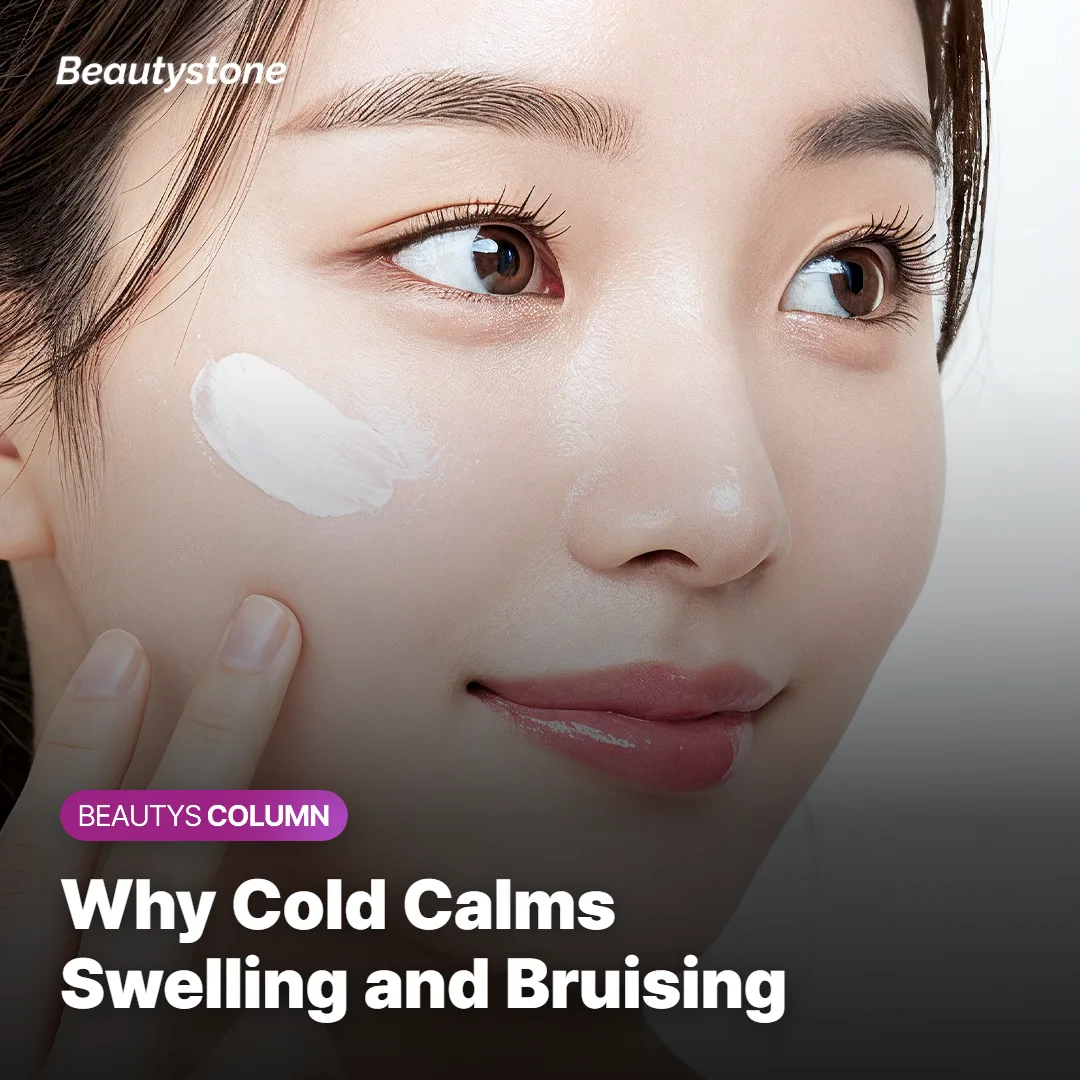
When to Start Icing — and How Long to Keep Going
Here's the timeline that tends to work for most procedures, though your provider's specific instructions always come first.
| Timing | Should You Ice? | How |
|---|---|---|
| Right after the procedure | Yes, if approved | Light and brief |
| First 24–48 hours | Most effective window | Several short sessions |
| Day 3 and beyond | Diminishing returns | Only if it feels good |
| Bruising already set in | Warmth may help more | Ask your provider first |
In most cases, the sweet spot is the first 24 to 48 hours. Limiting swelling and bruising early pays off for the rest of your recovery. Once you're a few days out and bruising has already settled into the skin, a warm compress tends to help more than a cold one — it encourages the circulation that helps your body reabsorb the pooled blood faster. That switch-over point isn't identical for everyone, so it's worth checking with whoever performed your procedure.
Icing the Right Way (Without Overdoing It)
Technique matters here almost as much as timing. Done carelessly, a cold compress can do more harm than good. A few rules worth keeping in mind:
- Wrap it first: never put an ice pack directly on skin — a clean cloth or thin towel between the ice and your skin is non-negotiable.
- Keep sessions short: 10 to 15 minutes at a time, with breaks in between, works better than one long stretch.
- Go light on pressure: rest the compress gently rather than pressing it in — you're aiming for cold, not compression.
- Don't overdo the duration: leaving cold on one spot too long can lead to frostbite or nerve irritation, even if it doesn't feel that cold at first.
- Be extra careful over numb areas: if the treated area is still numb from anesthesia, you won't feel the early warning signs of cold damage, so set a timer instead of relying on sensation.
Firm pressure deserves its own warning. If you had filler or another injectable, pressing down hard can shift the product before it's settled — a light touch is the safer choice. And if there's any open skin or drainage at the site, don't compress directly over it; cooling the surrounding area is enough.
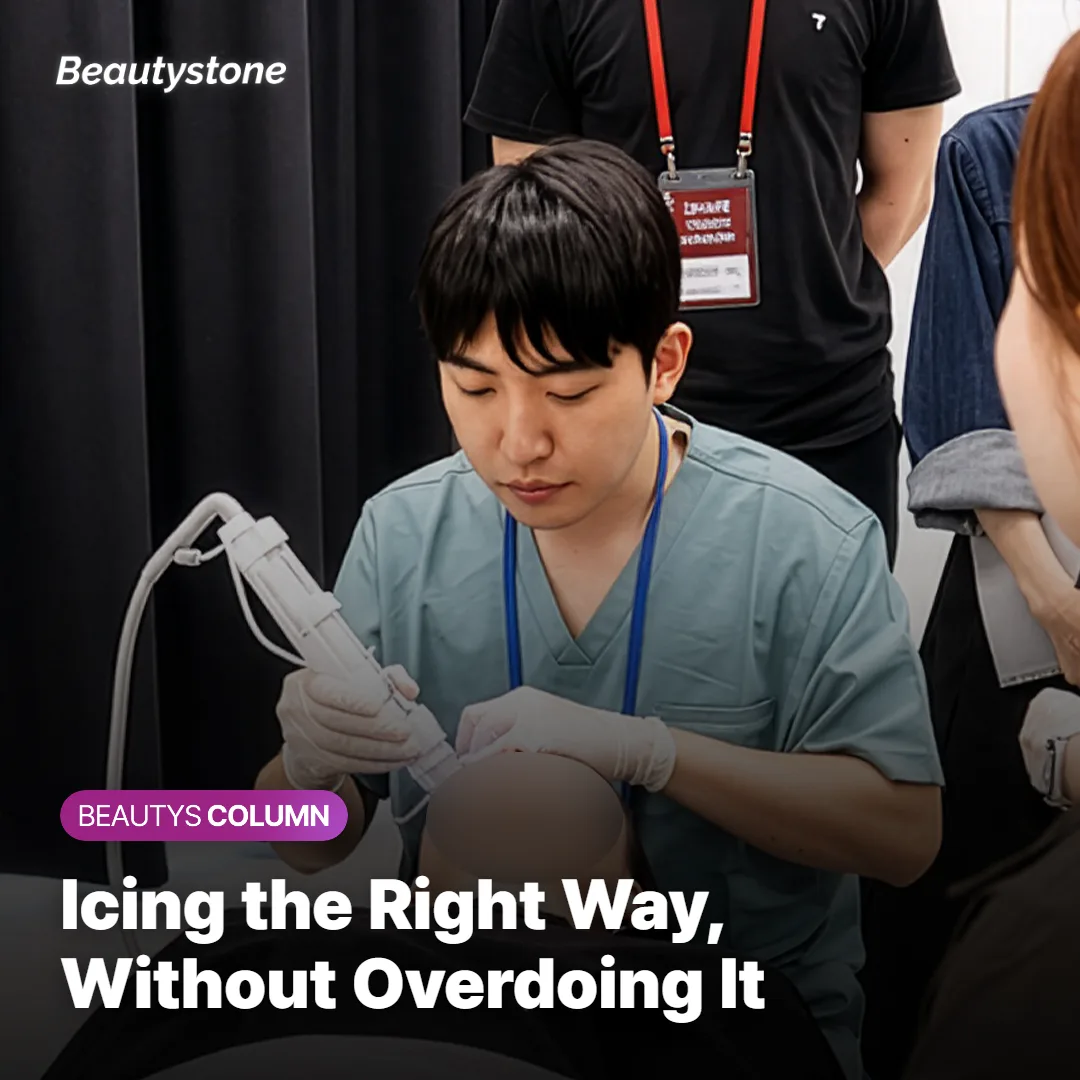
When You Should Skip the Ice Pack
Ice isn't the default answer for every situation. A few cases where it's worth pausing before you reach for the cold compress:
- Bruising that's already set in: a warm compress is often more useful once bruising has fully formed.
- Cold sensitivity: if your skin tends to react to cold with hives or a rash, skip it and ask your provider for an alternative.
- Numb or anesthetized areas: reduced sensation means a higher chance of accidental frostbite, so use extra caution or avoid it altogether.
- Specific provider instructions: if your clinic told you to avoid cold for your particular procedure, that instruction overrides general advice like this one.
- Swelling that keeps getting worse: if it isn't settling down, or seems to be spreading, icing alone isn't the answer — it's time to check in with your provider.
Side Effects and Red Flags to Watch For
Used correctly, a cold compress is about as low-risk as aftercare gets. That said, a few things are worth watching for. Mild redness or a slightly numb feeling right after icing is normal and usually fades within minutes. Frostbite and nerve irritation are the real risks, and they typically only happen when ice sits directly on skin for too long or presses too hard against tissue that's already compromised.
Swelling and bruising themselves are common and usually settle within a few days on their own. If you notice spreading redness, increasing warmth at the site, fever, or pain that's getting worse instead of better, that's not something to manage with an ice pack — seek medical care right away, since those can be signs of infection rather than ordinary post-procedure swelling.
The Bottom Line
A cold compress genuinely helps limit swelling and bruising after a procedure, but only when the timing and technique are right. The first 24 to 48 hours are when it does the most good; after that, its usefulness fades and a warm compress may take over. Wrap it, keep sessions short, go easy on pressure, and skip it entirely if your provider told you otherwise.
Like any piece of aftercare advice, this is general guidance — not a substitute for what the clinic that actually performed your procedure tells you. Ultimately, the right approach depends on your specific treatment, your skin, and how your recovery is progressing.
If your swelling or bruising seems unusual, or isn't following the pattern described here, a consultation is the best way to find out what's going on. Beautystone is a dermatology clinic in Seoul's Hapjeong area — see current offers at /en/promotion.
Frequently Asked Questions
Q1. Does icing really help after a procedure?
Yes — cold causes blood vessels near the surface to narrow temporarily, which limits how much fluid and blood pool under the skin. That's genuinely helpful for reducing swelling and bruising in the first day or two after treatment.
Q2. When should I start icing after a procedure?
Timing matters more than most people realize, and cold works best before blood flow to the area has fully ramped up. Follow your provider's specific instructions on when to start, since the right window can depend on the procedure.
Q3. Can I ice too much or do it the wrong way?
Yes — icing too early, too late, or too aggressively can undo the benefit or irritate skin that's already sensitive. A gentle, wrapped application rather than direct, prolonged contact tends to work best.
Q4. Are there procedures where I shouldn't use a cold compress?
Yes, some clinics recommend skipping ice entirely for certain treatments, so whatever your provider told you at checkout should take priority over general advice like this.